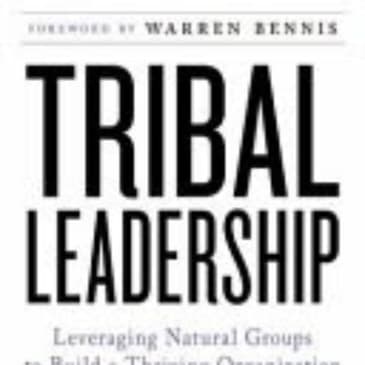
"Tribal Leadership" is a book authored by Dave Logan, John King, and Halee Fischer-Wright, published in 2008. The authors come from diverse professional backgrounds, which lends a rich perspective to the themes explored in the book.
Author Backgrounds:
- Dave Logan:
- A professor of management at the Marshall School of Business at the University of Southern California.
- Founder of the consulting firm CultureSync, which specializes in organizational culture and leadership.
- An expert in organizational behavior, Logan's insights are influenced by his experience in business and academia.
- John King:
- A co-founder of CultureSync along with Logan.
- Has extensive experience in facilitation and consulting, focusing on organizational culture and change.
- His background includes work in the high-tech industry, which helps inform his approach to leadership in modern organizations.
- Halee Fischer-Wright:
- A physician and healthcare executive, she brings a perspective rooted in the complexities of healthcare leadership and management.
- Her experience encompasses both clinical practice and organizational leadership, providing valuable insights into how tribal dynamics influence teams and effectiveness in diverse settings.
Book's Context:
"Tribal Leadership" explores the concept of organizational culture through the lens of tribes—small, cohesive groups of individuals within larger organizations that share a common culture or mindset. The authors propose that the strength of these tribes significantly influences overall organizational performance and effectiveness.
The book outlines five distinct stages of tribal development, ranging from a culture of hostility and disengagement to one of collaborative success and purpose-driven excellence. Each stage reflects different attitudes and behaviors of its members, and the authors provide strategies for leaders to elevate their tribes to higher stages, fostering a more productive and engaged workforce.
Key Themes:
- Tribal Dynamics:
- Organizations are seen as collections of tribes, and understanding the dynamics within these groups is crucial for effective leadership.
- Cultural Transformation:
- The authors emphasize the need for leaders to actively engage in cultural transformation, understanding that shifting a tribe's culture can lead to significant changes in performance and morale.
- Community and Connection:
- The importance of connection and sense of community within teams is highlighted, showcasing how stronger tribal bonds can lead to better collaboration and innovation.
- Leadership Styles:
- The book discusses how different leadership styles can impact tribal cultures and encourages leaders to adapt their approach based on the tribe's stage.
Conclusion:
"Tribal Leadership" is not just a theoretical framework but also a practical guide for leaders looking to improve organizational culture and foster collaboration. The authors' diverse backgrounds provide a comprehensive understanding of the principles at work, making it a valuable resource for executives, managers, and organizational leaders across various sectors. The insights offered in the book continue to resonate in contemporary discussions about workplace culture and leadership effectiveness.
Chapter 2 Analysis of main characters and plotTribal Leadership by Dave Logan focuses on the concept of organizational culture through the lens of "tribes," which are groups of people who share a common purpose and values. While the book doesn’t have traditional characters like a novel, it does present key concepts and ideas that serve as its main characters. Here’s a simple breakdown:
Key Concepts:
- Tribes: The central idea is that organizations consist of tribes, where people communicate and collaborate. Tribes fall into five stages of development, each with its own characteristics and challenges.
- Five Stages of Tribal Development:
- Stage 1: "Life Sucks" – Individuals are often feeling hopeless and disengaged. There is a culture of blame and victimhood.
- Stage 2: "My Life Sucks" – Members feel frustrated and isolated. There’s a prevalent feeling of competition among individuals.
- Stage 3: "I'm Great (and You're Not)" – A competitive stage where individuals seek personal success and recognition, often at the expense of collaboration.
- Stage 4: "We're Great" – A collaborative atmosphere emerges, where tribes work closely together towards common goals, focusing on teamwork.
- Stage 5: "Life is Great" – This stage represents a focus on contribution and making a larger impact on society, with strong values and shared purpose.
Development and Clues:
- Leadership: Effective leadership is crucial for moving tribes from lower to higher stages. Leaders help shape culture and encourage collaboration, fostering an environment where people feel valued.
- Communication: The way tribe members communicate reflects their stage. Understanding communication styles helps identify a tribe's current stage and guides necessary cultural shifts.
- Cultural Transformation: The book emphasizes the importance of recognizing where a tribe is situated and developing strategies to elevate them. This often includes sharing stories and celebrating successes to build cohesion and motivation.
Core Themes:
- The importance of understanding group dynamics.
- Recognizing and evolving culture within organizations.
- The role of storytelling in shaping identity and purpose.
With these concepts, readers can grasp the essence of building a thriving organizational culture and the pivotal role tribes play in achieving collective goals.
Chapter 3 Theme Exploration and Analysis"Tribal Leadership" by Dave Logan, along with his co-authors John King and Halee Fischer-Wright, presents an insightful exploration of organizational culture and leadership through the lens of "tribes"—groups of people who are connected by shared values, beliefs, and goals. Here’s a deep dive into specific themes and topics explored in the book:
- The Concept of Tribes
- Definition: The book defines a tribe as a group of 20 to 150 people who are connected by a shared culture. Tribes exist within larger organizational structures and are critical to understanding how people work together.
- Tribal Dynamics: Understanding the dynamics of tribes can unlock potential within organizations. Leaders can harness the collective energy and purpose of tribes to drive success.
- The Five Stages of Tribal Culture
- Stage 1: The Life Is Bad Tribe: At this stage, members feel powerless and often express themselves through negativity and blame. The culture is characterized by apathy and disengagement.
- Stage 2: The “My Life Is Bad” Tribe: Individuals feel isolated and often complain about their situations. They view their circumstances as unfortunate but lack the collective power to change them.
- Stage 3: The “I’m Great, You’re Not” Tribe: This stage is marked by individualism and competition. Members may achieve personal success but do not focus on collaborative efforts for the greater good.
- Stage 4: The “We’re Great” Tribe: Here, the culture shifts toward collaboration and community. Members support each other, fostering a sense of belonging and shared purpose.
- Stage 5: The “Life Is Great” Tribe: The ultimate stage features a deep commitment to innovation and empowerment. Members seek to make significant contributions, not just for their tribe but for the broader world.
- Leadership Strategies
- Tribal Leaders: The authors suggest that not all leaders can guide their tribes effectively. They outline characteristics of effective tribal leaders who can enable their tribes to flourish, such as fostering trust, promoting collaboration, and inspiring others toward a higher purpose.
- Cultural Interventions: Leaders can enact cultural changes intentionally by identifying the current stage of their tribe and implementing strategies to elevate the culture to a higher level.
- Communication Patterns
- Language and Narratives: The way members of a tribe communicate reinforces their stage of development. The authors emphasize the need for a linguistic shift in tribes at lower stages, encouraging a focus on shared vision and collective narratives that promote positivity.
- The Role of Mentorship and Growth
- Mentorship: The book stresses the importance of mentorship within tribes, fostering growth and learning. Effective mentoring can help individuals transition from one stage to another by providing support and guidance.
- Continuous Improvement: Encouraging a culture of feedback and continuous improvement is essential in enabling tribes to evolve and respond to internal and external challenges.
- Impact on Organizational Performance
- Results through Culture: The authors argue that a strong tribal culture can significantly impact organizational performance. High-performing tribes tend to have better engagement, higher productivity, and greater innovation.
- Alignment with Organizational Goals: When tribes are aligned with the larger organizational goals, they can drive transformation, making the workplace more effective and fulfilling.
- Application to Business Contexts
- Case Studies: The book often includes real-world examples and case studies to illustrate the application of tribal leadership principles in various organizations, demonstrating both successes and challenges faced along the way.
- Ethical Leadership and Responsibility
- Social Consciousness: The authors present an argument for leaders to engage in ethical practices and social responsibility, particularly at the higher stages where tribes aim to contribute positively beyond just business success.
In conclusion, "Tribal Leadership" provides a comprehensive framework for leaders to understand and leverage the power of tribes to create thriving cultures within their organizations. The book not only outlines the characteristics of various tribal stages but also offers practical strategies for leaders to facilitate cultural evolution and enhance organizational effectiveness.
Book https://www.bookey.app/book/tribal-leadership
Author https://www.bookey.app/book/tribal-leadership#Author
Quotes https://www.bookey.app/book/tribal-leadership/quote
The Five Dysfunctions of a Team https://www.bookey.app/book/the-five-dysfunctions-of-a-team
Youtube https://www.youtube.com/watch?v=xTkKSJSqU-I
Amazon https://www.amazon.com/Tribal-Leadership-Leveraging-Thriving-Organization/dp/0061251321
Goodreads https://www.goodreads.com/book/show/2741559-tribal-leadership
[00:00:00] Tribal Leadership Unlocking the Power of Tribal Culture for Organizational Success
[00:00:05] Chapter 1 Summary of Tribal Leadership
[00:00:08] Tribal Leadership by Dave Logan, along with co-authors John King and Haley Fisher-Wright, explores the dynamics of organizational culture and leadership through the concept of tribes.
[00:00:19] A tribe, in this context, is defined as a group of 20 to 150 people who share a common culture or social connection.
[00:00:27] The book identifies five stages of tribal development, each characterized by its own mindset and language.
[00:00:35] 1. Stage 1. Life Sucks Individuals at this stage feel hopeless and often engage in destructive behaviors.
[00:00:43] They don't believe in the possibility of improvement and may feel alienated from both their organization and society.
[00:00:50] 2. Stage 2. My Life Sucks Here Individuals recognize that while life might be challenging for them,
[00:00:56] they see a distinction between themselves and others.
[00:01:00] They often operate in silos and may exhibit low engagement.
[00:01:04] 3. Stage 3. I'm Great and You're Not This stage is characterized by individuals who are focused on their own success and competitive with others.
[00:01:14] While they may be more engaged, there's still a lack of collaboration and a spirit of competition that can hinder collective progress.
[00:01:22] 4. Stage 4. We're Great at this level. Tribes recognize their collective strength and begin to work together towards shared goals.
[00:01:30] There's a sense of unity and collaboration that drives innovation and performance.
[00:01:36] 5. Stage 5. Life is Great the Highest Stage where tribes operate with a sense of purpose greater than themselves.
[00:01:44] 6. They are driven by shared values and a commitment to making a meaningful impact.
[00:01:49] 7. Logan emphasizes that effective leaders are those who can elevate their tribes from one stage to the next by fostering communication, collaboration, and a shared vision.
[00:01:59] 8. The book provides practical strategies for leaders to identify the current stage of their tribe and the necessary steps to guide their teams toward higher levels of performance and fulfillment.
[00:02:09] 9. Overall, tribal leadership offers insights into how understanding the tribal dynamics within an organization can enhance leadership effectiveness and drive success.
[00:02:20] Chapter 2. The Core Themes of Tribal Leadership
[00:02:24] Tribal Leadership by Dave Logan explores the dynamics of organizational culture through the concept of tribes, which are groups of people who share a common identity and purpose.
[00:02:33] The core themes of the book revolve around the different stages of tribal development, illustrating how communities evolve through distinct stages of cultural maturity and effectiveness.
[00:02:44] A key idea is that the language and narratives people use reflect their tribe stage, which influences their values, behaviors, and interactions.
[00:02:53] The book categorizes tribes into five stages, ranging from a focus on individualism and cynicism to higher levels of collaboration and achievement.
[00:03:04] It emphasizes that leaders play a critical role in transitioning tribes from lower to higher stages by fostering positive communication and shared goals.
[00:03:13] Additionally, the book emphasizes the importance of connection and community in the workplace and how fostering strong relationships can enhance organizational success.
[00:03:23] Overall, Logan argues that by understanding and strategically developing tribal dynamics, leaders can cultivate more engaged, productive, and resilient organizations.
[00:03:34] Chapter 3. 10 Quotes from Tribal Leadership
[00:03:37] Tribal Leadership by Dave Logan, John King, and Haley Fisher-Wright discusses the dynamics of organizational culture and how to lead different groups or tribes toward greater effectiveness and success.
[00:03:49] Here are 10 notable quotes from the book.
[00:03:52] 1. Tribal Leadership is not about managing people, but about building tribes.
[00:03:58] 2. The primary driver of the culture in any tribe is the conversation.
[00:04:03] 3. To be a successful leader, you don't have to be in control.
[00:04:07] You just have to be the one who can help people accomplish what they want.
[00:04:11] 4. Every tribe has its own culture that includes values, beliefs, behaviors, and language.
[00:04:18] 5. You can't change the culture, but you can shift the conversation.
[00:04:22] 6. Most tribal leadership is about recognizing and working with the stage of development that the tribe is in.
[00:04:29] 7. Leadership doesn't mean being the best.
[00:04:32] It means creating the conditions for others to be their best.
[00:04:36] 8. To transform a tribe, you need to identify the key players and leverage their influence.
[00:04:42] 9. Each stage of tribal development has its own distinct characteristics and language.
[00:04:49] 10. Great leaders foster a sense of belonging while encouraging challenges to the status quo.
[00:04:55] These quotes encapsulate some of the core ideas and insights presented in tribal leadership.
[00:05:00] 10. If you're interested in a more detailed exploration of these concepts or specific examples from the book, I'd be happy to provide that.
[00:05:08] 11. The next few days are the best-centered parts in your country, you can see the best-centered parts of the tribe, which are all the best-centered parts of the tribe, which are always two fronts in the tribe.
[00:05:08] Thank you.