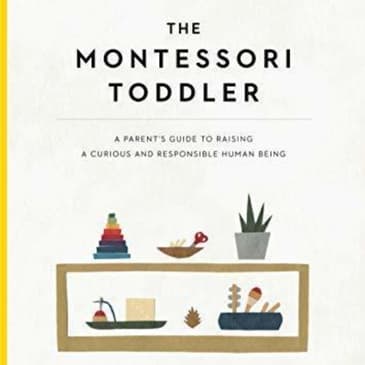
"The Montessori Toddler" by Simone Davies focuses on fostering independence, curiosity, and self-discipline in young children through the principles of Montessori education. The book provides practical guidance for parents and caregivers on how to create a nurturing and stimulating environment that encourages toddlers to explore their world, develop essential life skills, and engage in meaningful activities. By emphasizing respect, observation, and hands-on learning, Davies empowers adults to support toddlers in their growth and development while promoting a strong parent-child relationship grounded in understanding and trust.
2 Key Concepts of The Montessori ToddlerIn Chapter 1 of "The Montessori Toddler," Simone Davies introduces the theme of respect for the child and the importance of observing their needs and interests. Subsequent chapters that align with this theme include Chapter 2, which discusses creating an enriching environment tailored to the toddler's development; Chapter 4, focusing on fostering independence through daily routines; and Chapter 8, which emphasizes the significance of mindful communication. Each of these chapters reinforces the idea of treating toddlers as capable individuals deserving of respect and autonomy in their learning journey.
3 In-Depth Chapter Analysis of The Montessori Toddler by Simone Davies"The Montessori Toddler" by Simone Davies is structured to guide parents through the principles of the Montessori approach and its application in nurturing toddlers. Each chapter delves into different aspects of fostering independence, respect, and meaningful engagement in young children. For instance, the chapter on "Creating a Montessori Environment" underscores the importance of a prepared space that encourages exploration and autonomy. Davies emphasizes that environments should be child-sized and filled with accessible materials; this not only empowers toddlers to make choices but also cultivates their sense of agency.
Another pivotal chapter focuses on "Communication and Connection," showcasing how language plays a critical role in building relationships and understanding between parents and toddlers. Davies highlights the importance of using respectful language, modeling communication, and giving children time to express themselves. This chapter beautifully ties into the overarching theme of fostering independence while maintaining connection, as it illustrates how effective communication can enhance toddlers' confidence in their abilities and reinforce their emotional security. Each chapter builds on these themes, encouraging parents to embrace a respectful and child-centered approach to parenting.
Book https://www.bookey.app/book/the-montessori-toddler
Quotes https://www.bookey.app/quote-book/the-montessori-toddler
YouTuBe https://www.youtube.com/watch?v=tZk7QrkkotE
Amazon https://www.amazon.com/Montessori-Toddler-Parents-Raising-Responsible/dp/152350689X
Goodreads https://www.goodreads.com/book/show/38103723-the-montessori-toddler
[00:00:00] Empowering Independence, Nurturing Your Child's Growth with the Montessori Toddler Chapter 1 Summary of the Montessori Toddler The Montessori Toddler by Simone Davies is a guide for parents and caregivers that introduces the Montessori philosophy and its application to raising toddlers. The book emphasizes the importance of fostering independence, respect, and curiosity in young children by creating a prepared environment tailored to their needs.
[00:00:28] Davies provides practical tips on how to set up a home that encourages exploration and learning, as well as strategies for effective communication and discipline grounded in empathy and understanding. Throughout, the focus is on nurturing the child's natural development and fostering a love of learning during the crucial early years. Chapter 2 The Core Themes of the Montessori Toddler
[00:00:50] The Montessori Toddler by Simone Davies emphasizes the importance of fostering independence, respect, and a nurturing environment in early childhood development. Central themes include the idea that toddlers are capable and curious learners who thrive when given choices and autonomy in a prepared space. The book advocates for understanding and guiding toddlers through compassionate communication, establishing routines, and embracing their natural development,
[00:01:18] thereby encouraging parents and caregivers to cultivate a supportive atmosphere where children can explore, learn, and grow at their own pace. Chapter 3 10 Quotes from the Montessori Toddler Here are 10 inspiring quotes from the Montessori Toddler by Simone Davies that capture the essence of Montessori philosophy and parenting. 1. The young child is not only a passive recipient of knowledge, but also an active participant in their own learning.
[00:01:46] 2. When we respect a child's autonomy, we empower them to become confident and capable individuals. 3. Creating an environment that is child-centered helps children develop independence and a sense of responsibility. 4. Play is the most natural form of learning for toddlers, allowing them to explore their world in a meaningful way. 5. Instead of correcting our children, we can guide them gently towards understanding their mistakes.
[00:02:14] 6. Connecting with our toddlers on an emotional level is just as important as teaching them practical skills. 7. The goal of Montessori is not to teach children how to learn, but to instill a lifelong love of learning. 8. In providing choices, we help toddlers feel a sense of control over their lives. 9. Simplicity in our environment and routines helps children focus and engage better.
[00:02:40] 10. Every moment spent with a toddler is an opportunity for connection, learning, and joy. These quotes highlight key principles of the Montessori approach and the author's emphasis on nurturing a child's natural development. 10. The word of Montessori is not to teach children who is a child-centered practice and the author's 10. The word of Montessori is not to teach children how to take advantage of children. 11. The word of Montessori takes over time to the children and the parents and the parents of Montessori approach. 11. The word of Montessori takes over time to learn, but to be able to learn.