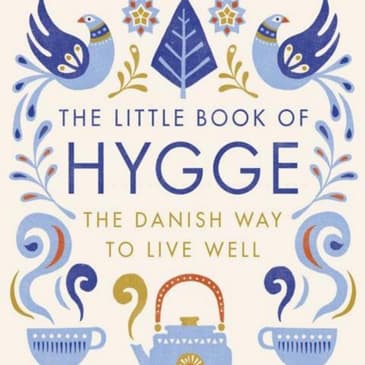
"The Little Book of Hygge: The Danish Way to Live Well" was written by Meik Wiking, who is the CEO of the Happiness Research Institute in Copenhagen, Denmark. The book was published in 2016 and has since become a popular source for those interested in the concept of hygge, a Danish term that denotes a sense of coziness, comfort, and contentment. Hygge is seen as a fundamental aspect of Danish culture, contributing significantly to the high levels of happiness reported in Denmark.
Meik Wiking’s background in happiness research provides a substantial foundation for exploring why hygge is an integral part of Danish life and how it influences well-being. The Happiness Research Institute, where Wiking works, is an independent think tank that focuses on well-being, happiness, and quality of life. His professional focus allows him to delve deeply into understanding the components of what makes people happy and how various elements, such as hygge, can contribute to this.
In "The Little Book of Hygge," Wiking explores the various dimensions of hygge, which include light, warmth, comfort, companionship, and simplicity. He provides practical advice and tips on incorporating hygge into everyday life, ranging from interior design choices to the importance of shared meals and nurturing interpersonal relationships. The book articulates how these principles can be used to enhance personal contentment and communal well-being.
The book also touches on broader implications, such as how societal values and lifestyle can impact happiness. By sharing this Danish concept with the world, Wiking offers readers insights into how they can adopt aspects of hygge to enhance their own quality of life, regardless of cultural or geographical differences. Thus, the book not only serves as a guide to personal well-being but also acts as a commentary on how cultural practices can influence collective happiness.
Chapter 2 Analysis of Main ContentKey Themes/Concepts:
- Atmosphere: Hygge is about creating a warm atmosphere with candles, lamps, and fires.
- Presence: Being in the moment and enjoying the present can enhance one's sense of hygge.
- Pleasure: Embracing the joys of simple pleasures like enjoying coffee, pastries, or hot cocoas.
- Equality: ‘We’ over ‘me’. Sharing tasks and pleasures together promotes a sense of camaraderie and community.
- Gratitude: Appreciating your current circumstances and what you have can increase feelings of hygge.
- Harmony: Not seeking out conflict or competition in social situations to maintain a tranquil and cooperative environment.
- Comfort: Relaxing and feeling secure and content, often involves comfortable clothing and environments.
- Truce: Setting aside disagreements for well-being and hygge.
- Togetherness: Building relationships and narratives with others through shared experiences.
- Shelter: This pertains to the sense of your space providing an environment of peace and security.
Meik Wiking discusses these concepts, explaining how they contribute to happiness and a high quality of life, supporting it with examples, tips, and research findings. The book discusses how to incorporate aspects of hygge into daily life, aiming to help readers achieve a more joyful, cozy lifestyle which has been suggested as one reason Danes are often ranked as some of the happiest people in the world.
Chapter 3 Theme Exploration and Analysis"The Little Book of Hygge: The Danish Way to Live Well" by Meik Wiking is centered around the concept of hygge (pronounced "hoo-ga"), a defining characteristic of Danish culture that embodies a sense of comfort, togetherness, and well-being. Meik Wiking, CEO of the Happiness Research Institute in Copenhagen, explores how hygge influences various aspects of life and why it is key to the Danes consistently being rated among the happiest people in the world. Here are some of the specific themes and topics explored in the book:
- Definition and Essence of Hygge:
The book begins by trying to pinpoint what hygge actually is. It explores the etymology of the word and its links to the English word "hug," emphasizing hygge as an emotional state of warmth, comfort, and contentment. Wiking discusses hygge as not just a series of actions or a lifestyle choice but more as an attitude towards life itself.
- Hygge and the Senses:
Wiking elaborates on how hygge appeals to and involves all five senses—taste, sight, hearing, touch, and smell. He provides examples like the comfort felt in wearing a warm woolen sweater (touch), the sound of a crackling fireplace (hearing), the glow of candlelight (sight), the taste of hot cocoa (taste), and the scent of cinnamon (smell).
- Hygge and the Environment:
The book describes how both indoor and outdoor environments can be optimized for hygge. Wiking discusses home decor strategies such as lighting (particularly the soft glow of candlelight), having a fireplace, wooden furniture, books, and an arrangement that encourages togetherness. Danish love for nature and how even outdoor settings can evoke hygge, such as around a campfire or at a beach, is also described.
- Hygge Throughout the Year:
Wiking talks about how hygge is a concept not limited to the cold, dark winter months, but something that can be found year-round. He illustrates how the Danes find hygge in all seasons through gatherings at the beach, picnics in the park, or cozy autumn evenings with friends.
- Hygge and Relationships:
An essential component of hygge is togetherness. The book delves into how spending quality time with loved ones—friends and family—can increase one’s sense of well-being. Dinners with close companions, game nights, or just long conversations can all be considered hygge.
- Hygge and Simplicity:
Wiking emphasizes that hygge often involves simplicity and modesty. It is about appreciating the simple pleasures in life and eschews extravagance. There is an undercurrent in hygge of mindfulness and being present in the moment, appreciating the now without overcomplicating situations.
- Social and Cultural Context:
The book also explores how hygge fits within broader Danish culture, including work-life balance, equality, and social trust. Wiking suggests that these societal structures support the lifestyle that allows for regular hygge experiences.
- Global Relevance and Practice of Hygge:
Lastly, while the book is firmly rooted in Danish culture, Wiking provides thoughts on how people from different parts of the world can incorporate aspects of hygge into their daily lives. He extends the concept of hygge beyond Denmark and discusses its universal traits and appeal.
"The Little Book of Hygge" not only serves as a guide to creating cozy moments filled with well-being but also offers an insightful look into why such moments are integral to Danish culture and how anyone can incorporate these practices into their lifestyle to improve happiness and contentment. Through this exploration, readers might find themselves re-evaluating their own happiness and seeking out more warmth, simplicity, and connection in their lives.
Book https://www.bookey.app/book/the-little-book-of-hygge
Quotes https://www.bookey.app/quote-book/the-little-book-of-hygge
YouTube https://www.youtube.com/watch?v=jA1iK75VsSE
Amazom https://www.amazon.com/-/zh/dp/0062658808
Goodreads https://www.goodreads.com/book/show/30045683-the-little-book-of-hygge?ref=nav_sb_ss_1_24
[00:00:00] Embracing the cozy lifestyle, The Little Book of Hygge Chapter 1 Summary of the Book, The Little Book of
[00:00:07] Hygge The Little Book of Hygge By meekwiking is a guide to the Danish concept of
[00:00:12] Hygge, which is the feeling of coziness, comfort and contentment.
[00:00:17] The book explores the various aspects of Hygge, including creating a warm and inviting atmosphere
[00:00:22] in your home, spending quality time with loved ones and embracing simple pleasures.
[00:00:27] Weaking provides tips and suggestions for incorporating Hygge into your daily life, such as
[00:00:33] lighting candles, enjoying a hot beverage and practicing mindfulness.
[00:00:37] Overall, the book emphasizes the importance of slowing down, savoring the moment, and finding
[00:00:43] joy in the simple things in life.
[00:00:46] Chapter 2 The Meaning of the Book, The Little Book of Hygge
[00:00:50] The Little Book of Hygge By meekwiking is a guide to the Danish concept of Hygge, which
[00:00:55] is a cultural and lifestyle concept centered around coziness, comfort and well-being.
[00:01:01] The Book explores the history and philosophy of Hygge, as well as practical tips for
[00:01:05] incorporating Hygge into everyday life, such as creating a cozy atmosphere, spending
[00:01:10] quality time with loved ones, and engaging in simple pleasures.
[00:01:15] Overall, The Little Book of Hygge aims to inspire readers to embrace a slower, more mindful
[00:01:20] way of living and find happiness in the small joys of life.
[00:01:24] Chapter 3 The Book, The Little Book of Hygge
[00:01:28] One Introduction to Hygge
[00:01:31] The author introduces the concept of Hygge, a Danish lifestyle philosophy focused on coziness
[00:01:37] togetherness and comfort.
[00:01:39] Two The Hygge Manifesto
[00:01:41] Wiking outlines the ten principles of Hygge, including atmosphere, presence, pleasure, equality,
[00:01:48] gratitude, harmony, comfort, truce, togetherness and shelter.
[00:01:53] 3 The Origins of Hygge
[00:01:55] This chapter explores the history and cultural significance of Hygge and Denmark, tracing
[00:02:01] its roots back to the 1800s.
[00:02:03] 4 The Meaning of Hygge
[00:02:05] Wiking delves into the meaning of Hygge and how it can be incorporated into everyday life
[00:02:10] to enhance well-being and happiness.
[00:02:13] 5.
[00:02:14] Hygge Home
[00:02:15] The author provides tips and suggestions for creating a Hygge-friendly home environment
[00:02:19] from cozy blankets and candles to warm drinks and home cooked meals.
[00:02:25] 6.
[00:02:25] Who Go With Friends and Family
[00:02:27] Wiking discusses the importance of social connections in Hygge
[00:02:30] and offers advice on how to cultivate deeper relationships and meaningful interactions with loved ones.
[00:02:37] 7.
[00:02:37] Hugout Dors
[00:02:38] This chapter focuses on finding moments of Hygge nature, whether through outdoor techniques,
[00:02:43] hykes, or simply taking a quiet moment to appreciate the natural world.
[00:02:49] 8.
[00:02:49] Who Go In The Workplace
[00:02:51] Wiking explores how Hugog can be applied to the professional sphere, promoting a positive work environment
[00:02:56] and fostering a sense of well-being among colleagues.
[00:03:00] 9.
[00:03:00] Who Go On The Go
[00:03:01] The author discusses ways to incorporate Hugog into travel experiences from appreciating the beauty of a new destination to savoring local cuisine
[00:03:10] and connecting with new people.
[00:03:12] 10.
[00:03:13] Who Go Christmas
[00:03:14] Wiking explores the Danish tradition of celebrating Christmas with Huga from decorating the home to enjoying
[00:03:20] festive food and drink with loved ones.
[00:03:23] 11.
[00:03:24] The Future of Huga
[00:03:25] In the final chapter, the author reflects on the enduring appeal of Huga and how it can continue
[00:03:31] to bring warmth and comfort into our lives in the future.
[00:03:35] 9.
[00:03:35] Overall, the little book of Huga offers a comprehensive guide to incorporating this Danish lifestyle
[00:03:40] philosophy into daily life, promoting greater happiness, connection and well-being.
[00:03:46] 10.
[00:03:48] Who Go
[00:03:49] One
[00:03:51] Who Go is about an atmosphere and an experience rather than about things.
[00:03:56] It is about being with the people we love, a feeling of home, a feeling that we are safe,
[00:04:02] that we are shielded from the world, and allow ourselves to let our guard down.
[00:04:06] 2.
[00:04:07] It's about spending time with our true friends creating a little sanctuary of our own.
[00:04:13] 3.
[00:04:14] Being surrounded by nature helps us to slow down and appreciate the little things.
[00:04:20] 4.
[00:04:21] Who Go is about being present in the moment, enjoying the simple pleasures of life.
[00:04:26] 5.
[00:04:27] Having a warm cup of tea by the fire, wrapped in a blanket with a good book in hand.
[00:04:32] That is Huga.
[00:04:33] 6.
[00:04:34] Who Go is about creating a cozy atmosphere that makes you feel at home wherever you are.
[00:04:41] Who Go is about taking pleasure in the small, everyday moments that make life special.
[00:04:48] Who Go is about embracing imperfection and finding beauty in simplicity.
[00:04:53] 9.
[00:04:54] Who Go is about creating a sense of belonging and connection with the people around us.
[00:04:59] 10.
[00:05:00] Who Go is about cultivating a sense of comfort and contentment in our lives.
[00:05:05] Regardless of what is happening in the world around us.