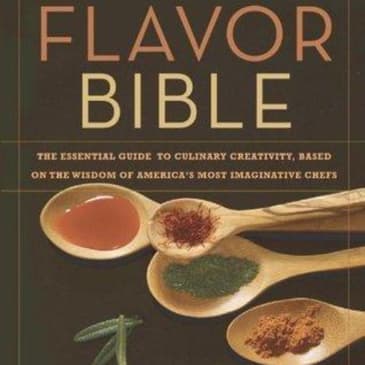
"The Flavor Bible," written by Karen Page and Andrew Dornenburg, is a comprehensive guide on flavor pairings, culinary techniques, and the art of cooking. Published in 2008, the book serves as both a reference and an inspiration for chefs, home cooks, and food enthusiasts.
Author Background
Karen Page and Andrew Dornenburg are a husband and wife duo with extensive experience in the food industry. They are noted food writers and have contributed to various publications, focusing on culinary culture and trends. Their collaboration on "The Flavor Bible" stemmed from a shared passion for food and a desire to make cooking more intuitive for readers. They have also authored other influential cookbooks, such as "Culinary Artistry," which similarly explores the concepts of flavor combinations and creativity in cooking.
Book Context
"The Flavor Bible" was released during a time when food culture was transforming significantly. The rise of the foodie movement, increased access to diverse cuisines, and the influence of television culinary shows amplified interest in gourmet cooking at home. The book was designed to guide cooks through the process of creating harmonious dishes by understanding which flavors complement each other.
Key Features of the Book
- Flavor Pairings: The book is organized alphabetically by ingredient, featuring an extensive list of flavors that pair well with each ingredient. This approach allows cooks to experiment freely while instilling confidence in their flavor choices.
- Culinary Techniques: The authors share insights on how amateur cooks can elevate their dishes by learning specific techniques that enhance flavors and presentation.
- Inspirational Quotes: Throughout the book, the authors include quotes from renowned chefs and culinary experts, offering wisdom and insights into the philosophy of cooking.
- A Guide to Creativity: Rather than providing step by step recipes, "The Flavor Bible" encourages readers to think like chefs, fostering creativity and improvisation in the kitchen.
In summary, "The Flavor Bible" not only serves as an invaluable resource for understanding flavor and pairing but also reflects the evolving nature of culinary arts in the late 2000s, emphasizing intuition and creativity in the kitchen.
Chapter 2 Analysis of main characters and plot"The Flavor Bible" by Andrew Dornenburg and Karen Page is not a traditional narrative with characters and a plot. Instead, it serves as a comprehensive reference guide for chefs and home cooks, focusing on flavor pairings and culinary creativity. Here’s a simple overview of its core content:
Key Concepts:
- Flavor Pairing: The book emphasizes the importance of understanding which ingredients complement each other, helping chefs create harmonious dishes.
- Ingredient Lists: It provides extensive lists of ingredients along with suggestions for compatible flavors, enabling readers to experiment and innovate in their cooking.
- Technique and Inspiration: The authors encourage readers to explore different cooking techniques and be inspired by various cuisines and flavor profiles.
Development:
Culinary Creativity : The book guides readers on how to think about flavors beyond rigid recipes, fostering creativity in cooking.
Seasonality and Freshness : It stresses the significance of using seasonal ingredients for better flavor and quality.
Usage:
Culinary Reference : It can be used as a reference tool for chefs, aspiring cooks, or anyone interested in enhancing their kitchen skills.
Experimentation : Encourages readers to experiment with their own flavor combinations, making cooking a more personal and enjoyable experience.
Overall, "The Flavor Bible" serves as an essential resource for understanding and exploring the world of flavors in cooking, rather than having a specific story or characters.
Chapter 3 Theme Exploration and Analysis"The Flavor Bible" by Andrew Dornenburg and Karen A. Page is a seminal work in the culinary arts that serves as an invaluable reference for chefs, home cooks, and food enthusiasts. Rather than a conventional cookbook filled with recipes, it focuses on the concept of flavor pairings and the art of balancing tastes. Here are some key themes and topics explored within the book:
- Flavor Pairings
One of the central themes of "The Flavor Bible" is the idea of flavor pairings. The authors provide an extensive list of ingredients and their complementary flavors, which serves as a guide for creating harmonious dishes. This concept invites cooks to experiment and find unexpected combinations, fostering creativity in the kitchen.
- Culinary Creativity
Dornenburg and Page emphasize the importance of intuition in cooking. By understanding how flavors work together, chefs can break away from rigid recipes and embrace improvisation. The book encourages readers to trust their instincts and bring personal flair to their cooking.
- Tasting Insights
Throughout the book, the authors share insights from renowned chefs and culinary experts. These anecdotes illustrate the thought processes behind famous dishes and highlight the importance of tasting and refining flavors. This theme underscores the notion that successful cooking is often a dialogue between the cook and the ingredients.
- The Flavor Wheel
The authors employ a flavor wheel to categorize flavors into different categories, such as sweet, sour, bitter, salty, and umami. This visual representation helps readers understand how different flavors interact and how to balance them within a dish. It serves as a foundational tool in both everyday cooking and professional culinary practice.
- Seasonal and Regional Ingredients
The book discusses the importance of using seasonal and local ingredients, which not only enhance flavor but also support sustainability and the local economy. By highlighting ingredients that are at their peak, the authors encourage a connection between the cook and the source of their food.
- Global Influences
Dornenburg and Page acknowledge the influence of global cuisines on modern cooking. The book explores how flavors from different cultures can be integrated and combined, promoting a broader understanding of culinary diversity. This theme encourages chefs to draw inspiration from a wide range of culinary traditions.
- Sensory Experiences
The authors emphasize the multisensory nature of cooking, where taste is just one component. They discuss how aroma, texture, temperature, and presentation all contribute to the overall dining experience. This holistic approach encourages cooks to consider all aspects of their dishes.
- Personalization of Cooking
"The Flavor Bible" encourages cooks to develop their own palates and preferences. By understanding flavor pairings and the principles behind them, readers can customize recipes to suit their taste and dietary needs, encouraging a more personal connection to the food they prepare.
- Culinary Techniques
While the focus is on flavor, the book also touches on techniques that enhance flavor, such as roasting, grilling, fermenting, and proper seasoning. Understanding these techniques allows cooks to elevate their dishes and make the most of their ingredients.
- Food and Emotion
The authors explore the emotional connection people have with food and how flavors can evoke memories and feelings. This theme emphasizes that cooking is not just about sustenance but also about sharing experiences and creating connections among people.
In summary, "The Flavor Bible" serves as a comprehensive resource that delves into the science and art of flavor. Its themes encourage both creativity and a deeper understanding of culinary practices, making it a vital tool for anyone interested in the culinary arts.
Book https://www.bookey.app/book/the flavor bible
Quotes https://www.bookey.app/quote book/the flavor bible
YouTuBe https://www.youtube.com/watch?v=9X3epPSvhts
Amazon https://www.amazon.com/Flavor Bible Essential Creativity Imaginative/dp/0316118400
Goodreads https://www.goodreads.com/questions/1752268 are there any recipes in this book with
[00:00:00] Unlocking Culinary Creativity, A Journey Through The Flavor Bible by Andrew Dornenberg Chapter 1 Summary of The Flavor Bible The Flavor Bible by Andrew Dornenberg and Karen A. Page is an essential culinary guide that explores the art of flavor pairing, offering chefs and home cooks a comprehensive reference for combining ingredients to create harmonious dishes.
[00:00:22] Through a meticulously organized list of ingredients, the book elucidates which flavors complement each other, providing insight into culinary traditions and techniques. The authors emphasize the importance of intuition and creativity in cooking, encouraging readers to experiment and discover unique flavor combinations tailored to their tastes, making it a vital resource for anyone looking to enhance their culinary skills. Chapter 2 The Core Themes of The Flavor Bible
[00:00:50] The Flavor Bible by Andrew Dornenberg emphasizes the themes of flavor pairing, creativity in cooking, and the importance of understanding the interplay between ingredients. It serves as a guide for culinary experimentation, encouraging chefs and home cooks alike to explore and combine flavors intuitively rather than strictly adhering to recipes.
[00:01:12] The book highlights the significance of seasonal and fresh ingredients, as well as cultural influences on flavors, fostering a deeper appreciation for the art of cooking and the joy of discovering unique flavor combinations. Chapter 3 10 Quotes from The Flavor Bible The Flavor Bible by Andrew Dornenberg and Karen A. Page is a well-regarded resource for chefs and food enthusiasts offering insights into flavor pairings and culinary creativity.
[00:01:41] Here are 10 notable quotes that capture the essence of the book. 1. Understanding flavor is essential in any culinary experience. 2. Cooking is about intuition as much as it is about technical skill. 3. The best dishes often come from unexpected flavor combinations. 4. Seasonal ingredients can transform a simple dish into something extraordinary. 5. Taste is a personal journey. Let your palate guide you.
[00:02:10] 6. Creativity in cooking arises from a deep understanding of ingredients. 7. Flavor pairing is both an art and a science. 8. Great chefs hear the whispers of flavors and know how to harmonize them. 9. A successful dish is one that tells a story through its ingredients. 10. Don't be afraid to experiment. Some of the best flavors come from bold choices. 10. Final Yak mudnows 11. 10. Don't be afraid to wait to the половine skin on the floor. 11. Don't be afraid to drink water, but in the way this isn't an artist's 12. Don't be afraid to drink the juice. 13. Don't be afraid to eat.