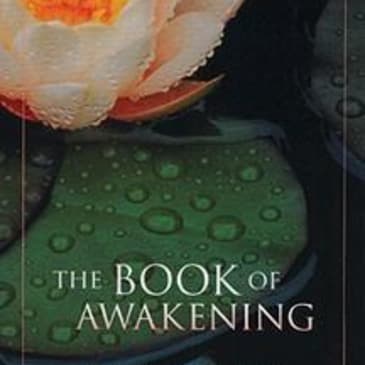
Chapter 1 Introduction and Background of The Book of Awakening
"The Book of Awakening" is authored by Mark Nepo, who is a poet, teacher, and author known for his writings on spirituality and the human experience. Born in 1937, Nepo has faced significant challenges, including cancer, which profoundly influenced his outlook on life and spirituality. His work often reflects themes of resilience, mindfulness, and the interconnectedness of life.
Nepo's background includes a deep engagement with various spiritual traditions which inform his understanding of wisdom and the human condition. He has studied in the worlds of poetry and philosophy, which is evident in his lyrical prose and contemplative style. Nepo's ability to distill complex ideas into accessible language has made him a prominent figure in the realm of spiritual literature.
"The Book of Awakening," published in 2000, is framed as a daily guide to mindfulness and living fully in the present. Each entry serves as a meditative reflection, combining personal anecdotes, philosophical insights, and practical exercises aimed at fostering awareness and gratitude. The book encourages readers to embrace the ordinary moments of life as opportunities for awakening and growth.
In terms of context, the book emerged at a time when there was a growing interest in spirituality and self-help literature, particularly within the framework of mindfulness practices. The early 2000s saw a burgeoning movement towards personal development and holistic approaches to well-being, which Nepo's work resonates with. "The Book of Awakening" has been widely embraced for its gentle, supportive style and its emphasis on personal reflection, making it a significant contribution to contemporary spiritual literature.
Overall, Mark Nepo’s unique experiences and insights create a rich tapestry that offers readers a pathway to deeper awareness and a more profound appreciation for life, making "The Book of Awakening" a meaningful resource for those seeking spiritual growth.
Chapter 2 Analysis of main characters and plot
"The Book of Awakening" by Mark Nepo is not a traditional narrative with specific characters or a linear plot. Instead, it is a collection of reflections and meditations that guide readers toward spiritual awakening and deeper self-awareness. Here are the core elements:
Key Themes:
Mindfulness and Presence: Nepo emphasizes the importance of living in the present moment and being fully aware of our experiences.
Personal Struggle and Growth: He shares personal stories and insights that reflect the challenges of life, encouraging readers to embrace their struggles as opportunities for growth.
Connection with Nature: Nature serves as a metaphor for life’s experiences, highlighting the interconnectedness of all beings.
Inner Wisdom: The book encourages readers to listen to their inner voice and trust their intuition.
Development:
- Daily Meditations: The book is structured around daily entries, each offering a meditation or thought that provides wisdom and insight.
- Reflections: Nepo uses narratives from his own life, including battles with cancer, to illustrate how adversity can lead to awakening and transformation.
- Practical Exercises: Each entry often includes suggestions for practices or reflections that help readers integrate the insights into their lives.
Conclusion:
Rather than following specific characters or plot lines, "The Book of Awakening" invites readers to engage with its themes through introspection and personal reflection, fostering a deeper understanding of themselves and their place in the world.
Chapter 3 Theme Exploration and Analysis
"The Book of Awakening" by Mark Nepo is a spiritual guide that encourages readers to engage deeply with life through a series of daily meditations and reflections. Here are some key themes and topics explored within the book:
Awareness and Presence
Nepo emphasizes the importance of being present in the moment. He provides insights on how awareness can transform ordinary experiences into profound moments of connection and understanding. This theme encourages readers to engage fully with their surroundings and to appreciate the beauty of the present.
Suffering and Healing
A significant portion of Nepo's work addresses the inevitability of suffering in life. He offers reflections on how facing life's challenges and pain can lead to personal growth and healing. Through vulnerability, individuals can discover resilience and strength.
Love and Connection
The theme of love, both for oneself and for others, recurs throughout the book. Nepo explores how love fosters deep connections, nurtures compassion, and helps us navigate life’s difficulties. He highlights the importance of cultivating relationships that encourage mutual growth and understanding.
Embracing Change
Change is portrayed as a natural and essential part of life. Nepo discusses how acceptance of change can lead to transformation and renewal. He suggests that embracing the ebb and flow of life allows individuals to find peace and deeper meaning.
Gratitude and Wonder
Nepo often reflects on the importance of gratitude and cultivating a sense of wonder for the world around us. He encourages readers to recognize the small miracles in their daily lives and to approach each day with appreciation, fostering a richer, more fulfilling existence.
Spirituality and Inner Wisdom
The book explores themes of spirituality and inner wisdom, urging readers to connect with their authentic selves. Nepo discusses different spiritual practices and philosophies, illustrating how they can guide individuals toward deeper self-awareness and understanding of their purpose.
Storytelling and Personal Narrative
Nepo emphasizes the power of storytelling as a means of sharing experiences and wisdom. By telling our stories, we not only reflect on our lives but also connect with others who may have similar experiences. This theme underscores the human desire for connection and understanding through shared narratives.
Nature and the Human Experience
The natural world frequently serves as a metaphor for personal growth and reflection in Nepo's writings. He draws parallels between the cycles of nature and the human experience, illustrating how the wisdom found in nature can guide individuals toward deeper truths about themselves and their lives.
Mindfulness and Spiritual Practice
Nepo advocates for mindfulness as a crucial practice for awakening to life. He suggests that through reflection, meditation, and intentional living, individuals can cultivate a deeper awareness and appreciation for their existence.
Conclusion
"The Book of Awakening" invites readers to embark on a journey of introspection and discovery. Through its various themes, Nepo encourages a holistic approach to living that honors the complexity of human experience, fostering resilience, compassion, and a profound connection to oneself and others. Each meditation serves as a stepping stone toward greater understanding and joy, urging readers to awaken to the richness of their lives.
[00:00:00] Embracing Each Moment, A Journey through Mark Nepo's The Book of Awakening.
[00:00:04] Chapter 1. Summary of The Book of Awakening.
[00:00:08] The Book of Awakening by Mark Nepo is a spiritual guide that encourages readers to explore the
[00:00:13] complexities of life through reflection, meditation, and mindfulness. Nepo, a poet and cancer survivor,
[00:00:20] shares personal anecdotes, insights, and philosophical musings that promote self-discovery
[00:00:25] and inner peace. The structure of the book features daily entries, each focusing on different themes
[00:00:30] such as love, grief, joy, and the nature of existence. Through his poetic language, Nepo invites
[00:00:37] readers to embrace the present moment, confront their fears, and cultivate a deeper connection
[00:00:42] to themselves and others. Key themes include the importance of vulnerability, the power of empathy,
[00:00:48] and the significance of living authentically. Nepo emphasizes the idea that awakening is an ongoing
[00:00:54] journey, encouraging readers to remain open to life's lessons and to find beauty in both struggles
[00:00:59] and joys. Overall, The Book of Awakening serves as a source of inspiration and wisdom for those
[00:01:06] seeking to deepen their understanding of life and to foster a sense of gratitude and mindfulness.
[00:01:10] Chapter 2. The Meaning of The Book of Awakening.
[00:01:14] The Book of Awakening, Having the Life You Want by Being Present to the Life You Have by Mark Nepo
[00:01:19] is a spiritual guide that encourages readers to embrace their lives fully and authentically. The book
[00:01:25] is structured as a daily devotional with reflections and insights that invite readers to engage in deep
[00:01:30] self-exploration and mindfulness. Key themes of the book include
[00:01:35] 1. Presence. Nepo emphasizes the importance of being present in each moment and recognizing the beauty
[00:01:41] and complexity of life as it unfolds. 2. Inner Wisdom. The author encourages readers to tap into their own
[00:01:49] intuition and inner voice, suggesting that true wisdom comes from within. 3. Vulnerability. The book
[00:01:56] explores the strength found in vulnerability, highlighting how accepting our imperfections can
[00:02:01] lead to deeper connections with ourselves and others. 4. Transformation. Nepo discusses the process
[00:02:08] of awakening to a more meaningful life, sharing insights on how to navigate challenges and find
[00:02:13] growth through adversity. 5. Connection. The importance of relationships and human connection
[00:02:19] is a recurring theme, as Nepo illustrates how shared experiences can lead to deeper understanding
[00:02:24] and compassion. Overall, the book of awakening serves as a gentle reminder to live fully, appreciate
[00:02:31] the present, and cultivate a sense of gratitude, making it a valuable resource for anyone seeking
[00:02:36] personal growth and spiritual insight. Chapter 3. The Book of Awakening Chapters.
[00:02:42] The Book of Awakening by Mark Nepo is a spiritual and philosophical work that consists of daily
[00:02:47] entries for contemplation and reflection. Each entry includes a meditation, a personal story,
[00:02:53] or a piece of wisdom that encourages readers to live more consciously and fully. While I can't provide
[00:02:59] specific chapter summaries due to the nature of the book structure, I can offer a general overview of
[00:03:04] its themes and some key concepts that are woven throughout the text. Core themes. 1. Mindfulness and
[00:03:11] presence. The book emphasizes the importance of living in the present moment and fully experiencing life
[00:03:17] as it unfolds. Nepo encourages readers to be aware of their thoughts and feelings, grounding themselves
[00:03:23] in their current experiences. 2. Connection. Nepo often reflects on the interconnectedness of all beings
[00:03:30] and the importance of relationships. He explores how our lives are intertwined and how sharing our
[00:03:36] experiences with others can lead to deeper understanding and healing. 3. Vulnerability.
[00:03:42] The author speaks candidly about vulnerability and its role in personal growth. He highlights the
[00:03:48] necessity of embracing our weaknesses and fears, suggesting that true strength lies in openness and
[00:03:54] authenticity. 4. Transformation. Many entries focus on the idea of transformation, both personal and
[00:04:01] collective. Nepo discusses how struggles can lead to profound change and insight, prompting readers to
[00:04:07] accept and learn from their challenges. 5. Spirituality. The book draws upon various spiritual
[00:04:14] traditions, offering wisdom that transcends religious boundaries. It invites readers to explore their own
[00:04:20] spirituality and seek deeper meaning in their lives. 5. Structure. The book is structured as a series of
[00:04:27] 365 meditations. Each entry typically includes a reflection or story from Nepo's life or thought process,
[00:04:36] a relevant quote or piece of wisdom, a call to action or a question for the reader to ponder.
[00:04:43] Conclusion. In summary, the Book of Awakening serves as a guide to mindfulness,
[00:04:48] self-exploration, and spiritual growth. Each daily meditation is designed to inspire readers to reflect
[00:04:54] on their lives, fostering a greater sense of awareness and connection to themselves and the
[00:04:59] world around them. If you have specific entries or topics in mind that you would like to explore further,
[00:05:05] feel free to ask. Chapter 4. 10 Quotes from the Book of Awakening.
[00:05:10] The Book of Awakening by Mark Nepo is a collection of daily reflections that blend poetry,
[00:05:15] philosophy, and spirituality. Here are 10 quotes inspired by the themes and ideas expressed in the
[00:05:21] book. 1. The journey of life is an unfolding of the heart, where every moment invites us to awaken
[00:05:28] to our true selves. 2. In the depth of our struggles lies the seed of our soul's awakening.
[00:05:35] 3. To live fully is to embrace both joy and sorrow, for they dance together in the rhythm of existence.
[00:05:43] 4. Each day is a new opportunity to remember our connection to everything around us.
[00:05:49] 5. Awakening is not a destination but a continuous unfolding, revealing the beauty in both the light
[00:05:56] and the shadow. 6. Truth resides in the quiet moments, where stillness becomes a mirror reflecting
[00:06:03] our deepest selves. 7. Even in the chaos of life, there is a thread of grace that binds us to our purpose.
[00:06:12] 8. To share our stories is to honor the sacredness of our experiences and the lessons they carry.
[00:06:19] 9. We are all learners in the school of life, where every encounter offers us a chance to expand
[00:06:25] our understanding. 10. In vulnerability, we find the strength to connect, heal, and truly awaken to
[00:06:32] the wonders of being alive. These quotes capture the spirit of Mark Nepo's work, encouraging introspection,
[00:06:39] connection, and the acceptance of our human experience. If you're looking for specific excerpts
[00:06:45] from the book, I recommend checking a copy for the exact wording and context.