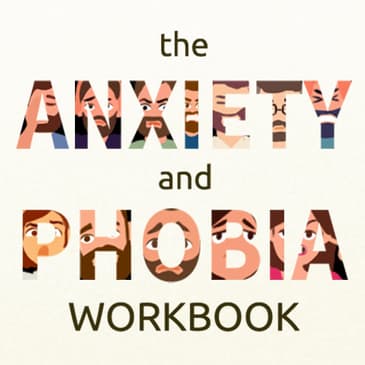
The Anxiety and Phobia Workbook is a book written by Dr. Edmund J. Bourne. This self-help guide aims to provide tools and techniques to manage anxiety disorders and specific phobias. It offers readers a comprehensive approach to understanding and overcoming their anxiety through cognitive-behavioral techniques, relaxation exercises, and various coping strategies.
The book covers topics such as identifying anxiety triggers, challenging and modifying negative thoughts, addressing physical symptoms, managing stress, and developing a personalized treatment plan. It also discusses different types of phobias, including social anxiety, specific phobias, and agoraphobia, and provides guidance on how to face and overcome these fears.
The Anxiety and Phobia Workbook is often recommended by mental health professionals as a valuable resource for individuals looking to address and alleviate their anxiety symptoms. It is regularly updated to reflect the latest research and therapeutic techniques in the field of anxiety disorders and phobias.
Chapter 2 Is The Anxiety and Phobia Workbook Book recommended for reading?"The Anxiety and Phobia Workbook" by Dr. Edmund J. Bourne is generally well-regarded in the field of mental health. It is often recommended by therapists and mental health professionals as a resource for individuals struggling with anxiety and phobias. The book provides a comprehensive guide to understanding anxiety, identifying specific fears and phobias, and implementing effective strategies to overcome them. Many readers have found it helpful in managing and reducing their anxiety symptoms. However, it is important to remember that everyone's experience with anxiety is unique, so it may be beneficial to consult professional help in addition to utilizing self-help resources like this book.
Chapter 3 The Anxiety and Phobia Workbook Book SummaryThe Anxiety and Phobia Workbook by Dr. Edmund J. Bourne is a self-help book aimed at individuals who struggle with anxiety disorders and phobias. The book provides a comprehensive and practical guide to understanding and managing these conditions, offering a range of techniques and exercises to help readers overcome their fears and regain control of their lives.
The book begins by offering a detailed overview of anxiety disorders and phobias, explaining the various types and their causes. It explores the role of neurotransmitters, genetics, and upbringing in the development of these conditions, providing readers with a better understanding of why they might be experiencing anxiety or phobias.
Dr. Bourne then introduces readers to cognitive-behavioral therapy (CBT), a therapeutic approach that forms the foundation of the book's strategies. He explains the concept of "automatic thoughts" and how they contribute to anxiety, teaching readers how to identify and challenge their negative thinking patterns. The book also explores the impact of lifestyle factors, such as diet, exercise, and sleep, on anxiety levels.
Throughout the book, Dr. Bourne provides a wide range of practical exercises and techniques aimed at reducing anxiety and phobias. These include relaxation techniques, breathing exercises, and progressive muscle relaxation. The book also covers exposure therapy, a method that involves gradually facing and overcoming feared situations or objects.
Dr. Bourne emphasizes the importance of self-care and stress management, offering advice on developing healthy coping mechanisms and managing panic attacks. The book also addresses the role of medication in treating anxiety and phobias, providing an overview of commonly prescribed drugs and their potential side effects.
Overall, The Anxiety and Phobia Workbook offers a comprehensive and accessible approach to managing anxiety disorders and phobias. It combines scientific knowledge with practical techniques, making it a valuable resource for individuals seeking to better understand and overcome their fears.
Chapter 4 Meet the Writer of The Anxiety and Phobia Workbook BookThe book "The Anxiety and Phobia Workbook" is written by Edmund J. Bourne, Ph.D. It was first released in 1990 and has since become a widely recognized resource for individuals suffering from anxiety disorders and phobias.
Apart from "The Anxiety and Phobia Workbook," Edmund J. Bourne has also written several other books pertaining to mental health and self-help. Some of his notable works include:
- "Beyond Anxiety and Phobia: A Step-by-Step Guide to Lifetime Recovery" (2001) - This book expands upon the concepts presented in "The Anxiety and Phobia Workbook" and provides additional guidance on how to achieve long-term recovery from anxiety disorders.
- "The Anxiety & Phobia Workbook, Sixth Edition" (2015) - This is an updated edition of the original book and includes the latest research, therapeutic techniques, and resources for individuals dealing with anxiety and phobias.
- "The Pocket Guide to the DSM-5 Diagnostic Exam" (2013) - This guide helps mental health professionals navigate the DSM-5 diagnostic criteria and provides concise information on various mental disorders.
In terms of editions, the best edition of "The Anxiety and Phobia Workbook" would be the most recent, which is the sixth edition published in 2015. As it incorporates the latest research and therapeutic techniques, it provides the most up-to-date information and resources for individuals seeking help with anxiety disorders and phobias.
Chapter 5 The Anxiety and Phobia Workbook Book Meaning & Theme The Anxiety and Phobia Workbook Book Meaning"The Anxiety and Phobia Workbook" is a self-help book written by Dr. Edmund J. Bourne that aims to provide practical strategies and techniques for individuals dealing with anxiety and phobias. The book offers a comprehensive approach to understanding and managing anxiety disorders, offering information on the various types of anxiety, their causes, and symptoms. It provides detailed exercises, worksheets, and step-by-step instructions to help readers challenge their anxious thoughts, face their fears, and develop coping strategies. The book is considered a valuable resource for those seeking to gain a better understanding of their anxiety or phobias and to take an active role in their treatment and recovery.
The Anxiety and Phobia Workbook Book ThemeThe theme of "The Anxiety and Phobia Workbook" by Dr. Edmund J. Bourne is self-help and empowerment. The book focuses on providing practical strategies and exercises that individuals can use to manage their anxiety and phobias. It empowers readers by giving them the tools and knowledge they need to understand their anxiety, identify their triggers, and develop effective coping mechanisms. Overall, the theme promotes the idea that individuals have the capacity to take control of their anxiety and phobias, leading to a better quality of life.
Chapter 6 Various Alternate Resources- Online bookstores: Websites like Amazon, Barnes & Noble, and Books-a-Million offer the book in various formats, including paperback, hardcover, and e-book versions.
- Library websites: Many public libraries have digital catalogs where you can borrow e-books or audiobooks of The Anxiety and Phobia Workbook.
- YouTube: Look for book review or summary videos discussing The Anxiety and Phobia Workbook, where content creators provide an overview of the book's key points.
- Social media platforms: Search for hashtags related to the book, such as #AnxietyWorkbook or #PhobiaWorkbook, on platforms like Instagram, Twitter, or Facebook. This can help you find a community of people sharing their experiences or discussing the book.
- Podcasts: Explore podcast platforms like Apple Podcasts, Spotify, or Google Podcasts for episodes that feature interviews or discussions with Dr. Edmund J. Bourne about The Anxiety and Phobia Workbook.
- Mental health blogs: Many mental health-focused blogs have reviewed or written articles about The Anxiety and Phobia Workbook. Search for blogs that specialize in anxiety or mental health topics to find relevant articles.
- Goodreads: Visit the book's page on Goodreads to find reviews, ratings, and discussions among readers who have experienced the book.
- Online forums: Look for forums or online communities centered around anxiety, phobias, or mental health. These platforms often have threads or discussions related to The Anxiety and Phobia Workbook.
- Academic databases: If you are looking for research-based information related to the book, search academic databases like JSTOR or EBSCOhost. These platforms often contain scientific studies or articles referencing The Anxiety and Phobia Workbook.
- Websites of mental health organizations: Visit the websites of reputable mental health organizations like the American Psychological Association or the National Institute of Mental Health. They may provide resources or references to books, including The Anxiety and Phobia Workbook.
The Anxiety and Phobia Workbook Book quotes as follows:
- "Anxiety is a thin stream of fear trickling through the mind. If encouraged, it cuts a mental channel into which all other thoughts are drained." - Dr. Edmund J. Bourne
- "Fear tells you what you need to do. Courage gives you the strength to do it." - Dr. Edmund J. Bourne
- "Anxiety is a normal and natural response to stress, but when it becomes excessive and disrupts your daily life, it's time to take action." - Dr. Edmund J. Bourne
- "Worrying is like sitting in a rocking chair. It gives you something to do but it doesn't get you anywhere." - Dr. Edmund J. Bourne
- "Anxiety can only be overcome by facing it head-on. Avoidance only strengthens its hold on you." - Dr. Edmund J. Bourne
- "The mind is a powerful tool, and learning to control your thoughts is the key to managing anxiety." - Dr. Edmund J. Bourne
- "Remember, you are not alone in your struggle with anxiety. There are millions of others who understand what you're going through." - Dr. Edmund J. Bourne
- "Knowledge is power when it comes to anxiety. Educate yourself about your condition and the tools available to manage it." - Dr. Edmund J. Bourne
- "Every small step you take towards facing your fears brings you one step closer to freedom from anxiety." - Dr. Edmund J. Bourne
- "You are stronger than your anxiety. Believe in yourself and your ability to overcome it." - Dr. Edmund J. Bourne
- "The Worry Cure: Seven Steps to Stop Worry from Stopping You" by Robert L. Leahy, PhD - This book provides practical strategies to help individuals conquer excessive worrying and anxiety, offering a step-by-step guide to challenge negative thoughts and develop a healthier perspective on life's uncertainties.
- "Feeling Good: The New Mood Therapy" by David D. Burns, MD - This classic self-help book addresses cognitive distortions and offers effective techniques to defeat depression and anxiety. Dr. Burns emphasizes the connection between one's thoughts, emotions, and behaviors, providing readers with actionable tools to improve their mental well-being.
- "The Dialectical Behavior Therapy Skills Workbook: Practical DBT Exercises for Learning Mindfulness, Interpersonal Effectiveness, Emotion Regulation & Distress Tolerance" by Matthew McKay, Jeffrey C. Wood, and Jeffrey Brantley - This workbook utilizes dialectical behavior therapy (DBT) to guide readers through helpful exercises and practices in mindfulness, emotional regulation, interpersonal effectiveness, and distress tolerance. It is an excellent resource for managing anxiety and improving overall mental wellness.
- "Anxiety: Panicking about Panic: A Powerful, Self-Help Guide for Those Suffering from an Anxiety or Panic Disorder" by Joshua Fletcher - This book specifically targets panic and anxiety disorders, offering insight into the maintenance of anxiety and providing practical techniques to regain control and overcome panic attacks. It is a valuable resource for anyone experiencing panic-related symptoms.
- "The Mindful Way Through Anxiety: Break Free from Chronic Worry and Reclaim Your Life" by Susan M. Orsillo and Lizabeth Roemer - Combining mindfulness with cognitive-behavioral therapy (CBT), this book teaches readers essential skills to manage anxiety, including acceptance, self-compassion, and mindfulness practices. It provides helpful exercises and examples to assist individuals in overcoming chronic worry and leading a more balanced, fulfilling life.
[00:00:00] Hi, welcome to Bookie, which unlocked big ideas from world bestsellers and audio, text, and mindmap.
[00:00:07] Please download Bookie at Apple Store or Google Play with more features.
[00:00:12] Get your free mind snack now. Today we will unlock the book The Anxiety Infobia Workbook.
[00:00:19] Before we start, have you ever asked the question, do I feel anxious today?
[00:00:25] You might think that the answer is so obvious that it may as well be considered a fact of life.
[00:00:30] Who doesn't experience anxiety in modern society?
[00:00:34] One should remember that anxiety appears at different levels of intensity.
[00:00:38] Also, anxiety comes to us in various forms which can be as pervasive as air.
[00:00:44] Have you ever been in a workplace situation like the following?
[00:00:48] Whenever you are faced with a new task given by your superiors, even if you have done all the preparatory work
[00:00:54] and should therefore be confident, you find yourself feeling nervous as you prepare to present your project.
[00:01:00] On the day of the meeting, as soon as you picture giving your presentation to your superiors and colleagues,
[00:01:06] you have symptoms of sweating, rapid heartbeat, and the inability to even speak in complete sentences.
[00:01:12] If you felt this way once or twice, it might just mean that you were nervous.
[00:01:17] But if you're in a similar situation every time or you even want to quit your job because of this uncontrollable anxiety,
[00:01:24] then you may be suffering from social phobia which is one form of an anxiety disorder.
[00:01:30] Nowadays, anxiety disorders are a common mental condition.
[00:01:35] There are many types of anxiety disorders, including social phobia which is universal.
[00:01:40] Panic disorder in which one feels short of breath or even smothered for seemingly no reason,
[00:01:46] a glorifobia in which one feels scared and helpless and crowded public places such as department stores,
[00:01:52] and obsessive-compulsive disorder in which one may wash one's hands repeatedly to avoid contamination.
[00:01:59] In the book The Anxiety Infobia Workbook, the author elaborated on the causes and different types of anxiety disorders.
[00:02:07] He also covered ways to deal with them, with the aim of helping us fully understand anxiety and get rid of it as soon as possible.
[00:02:15] Celebrating 30 years as a classic in its field, this book ranks first among the 100 best-selling books on anxiety treatment in the world.
[00:02:24] It has sold over 1 million copies and has helped millions of readers around the world.
[00:02:30] Born, the author of this book graduated from the University of Chicago.
[00:02:35] He is a doctor of psychology specializing in the treatment of anxiety disorders and related issues.
[00:02:42] As a leading psychologist in the study of anxiety disorders, he once served as the director of the anxiety and treatment center in San Jose and Santa Rosa, California.
[00:02:52] In this book The Anxiety Infobia Workbook, he details various techniques for coping with anxiety disorders and brings hope to those who suffer from anxiety disorders around the world.
[00:03:05] If you or your friends and relatives are suffering from anxiety disorders, you can come with us as we dive into this classic book on treating anxiety disorders.
[00:03:14] Next, we will introduce the three key sections of this book.
[00:03:19] Part 1 About Anxiety Disorders
[00:03:23] Part 2 Causes of Anxiety Disorders
[00:03:26] Part 3 Getting rid of anxiety disorders
[00:03:30] First, let's look at part 1 about anxiety disorders.
[00:03:35] To better deal with the negative effects of anxiety disorders, we need to understand what they are.
[00:03:41] Anxiety can sometimes appear as very similar to fear, both of which cause us to feel a great deal of pressure.
[00:03:48] But they are entirely different.
[00:03:50] When you are afraid, your fear is directed towards a concrete object or situation.
[00:03:56] Whereas when you experience anxiety, you often can't specify what you're anxious about,
[00:04:02] nor can you find a specific trigger, because the focus of anxiety is more internal than external.
[00:04:08] You may be anxious about losing control of a certain situation or worry that something bad will happen for no reason.
[00:04:16] For example, a middle school student is particularly concerned about his academic performance.
[00:04:22] He gets a good score on every test.
[00:04:25] But as the year progresses, the student finds it harder to get a high score on the exams,
[00:04:30] while at the same time his desire for a high score gets stronger.
[00:04:34] So he wallows in deep anxiety every day, and he constantly studies in preparation for the final exam.
[00:04:41] He starts to feel nervous and irritable.
[00:04:44] He looks forward to the exams, but as the data approaches, he gets uneasy.
[00:04:49] This situation is a typical example of anxiety.
[00:04:53] But fear is different.
[00:04:55] The exam goes smoothly at the beginning and it seems as though the student knows the answer to almost every question.
[00:05:02] The student knows that after he completes the remaining questions he can hand in his paper.
[00:05:07] However, when he is confronted with the last question,
[00:05:11] he finds it so difficult that he feels caught off guard and can't work it out.
[00:05:15] He is dumbfounded and nervous.
[00:05:18] He starts to sweat and release large amounts of adrenaline.
[00:05:22] This student showed a deep fear of this question possibly with a bit of hostility.
[00:05:27] Many emotions trouble us and it is important to have a comprehensive understanding of them.
[00:05:33] In a world where anxiety is widespread, not all feelings of anxiety can be called anxiety disorders.
[00:05:40] If your anxiety appears intermittently over a short period and doesn't interfere with your life,
[00:05:46] this feeling can only be described as anxiety instead of an anxiety disorder.
[00:05:51] Anxiety disorders are distinguished from everyday anxiety in that they involve anxiety that is more intense,
[00:05:57] lasts longer, and leads to phobias that interfere with your life.
[00:06:02] Many anxiety disorders are common in daily life.
[00:06:06] They are known as panic disorders, agoraphobia, social phobia,
[00:06:11] and phobia is in a specific situation such as animal phobias, agoraphobia, and elevator phobia.
[00:06:18] Next, let's look at each of these anxiety disorders.
[00:06:23] Let's start with a panic disorder.
[00:06:26] A diagnosis of panic disorder is made if you have had two or more panic attacks,
[00:06:30] and at least one of these attacks has been followed by one month or more of persistent concern
[00:06:35] about having another panic attack or worry about the possible implications of having another panic attack.
[00:06:42] For example, Luna emerged as a finalist in a modeling contest.
[00:06:46] The champion would become the spokesperson for a well-known international brand,
[00:06:51] a prize which Luna found very desirable.
[00:06:54] One part of the final round involved shooting a commercial for a brand of lipstick.
[00:06:59] While the shoot was happening, she suddenly felt a tightness in her chest and began to sweat all over.
[00:07:06] The photographer asked her if she had a history of hypoglycemia,
[00:07:10] but Luna couldn't say anything and was eventually taken to the hospital.
[00:07:14] Luna soon recovered, and the doctor's diagnosis with a panic attack caused by overwhelming mental stress.
[00:07:21] Another example is that after the 9-11 terrorist attacks,
[00:07:25] many Americans developed an airplane phobia,
[00:07:28] a fear that the plane will inevitably crash.
[00:07:31] When flying, they may feel extremely terrified and anxious.
[00:07:35] Some 9-11 survivors suffer from an elevator phobia because they were trapped in an elevator for a long time
[00:07:41] before they were eventually rescued.
[00:07:44] After that, they became extremely worried about being trapped again whenever they took an elevator.
[00:07:50] Another type of anxiety disorder is generalized anxiety disorder,
[00:07:55] which is characterized by chronic anxiety that persists for at least six months.
[00:08:00] It typically manifests itself when the patient has a variety of concerns, such as health, finances or relationships.
[00:08:08] Those worries are uncontrollable and can consume a lot of time and energy.
[00:08:13] What's more, the intensity and frequency of the worry are always out of proportion to the actual likelihood of the feared events happening,
[00:08:21] which seriously affects the patient's normal life.
[00:08:24] In the group of people suffering from generalized anxiety disorder, women account for a larger proportion.
[00:08:32] The third type of anxiety disorder is obsessive-compulsive disorder, OCD,
[00:08:37] which is manifested as behaviors or rituals that you perform to dispel the anxiety that accompanies obsessive thinking.
[00:08:44] The most common symptom is repeatedly washing your hands to reduce anxiety about being contaminated,
[00:08:51] or repeatedly checking if doors and windows are locked properly to dispel obsessions about being robbed.
[00:08:57] Many people may suffer to varying degrees from obsessive-compulsive disorder.
[00:09:02] But when the compulsive behavior interferes with a person's social or occupational functioning, intervention is required.
[00:09:10] The fourth anxiety disorder is post-traumatic stress disorder, which is essentially the development of disabling psychological symptoms following a traumatic event.
[00:09:20] It usually occurs in people who have experienced severe trauma.
[00:09:25] These traumas can bring them intense fear and feelings of helplessness.
[00:09:29] This mental disorder can cause significant distress, interfering with social, vocational, and other important areas of your life.
[00:09:38] If you have PTSD, you tend to be anxious and depressed all the time.
[00:09:43] Soldiers who have experienced war victims of rape generally have severe PTSD.
[00:09:49] That concludes our first part.
[00:09:52] To summarize, anxiety is not the same as fear, and not all anxiety can be called an anxiety disorder.
[00:09:59] Anxiety disorders are distinguished from non-clinical anxiety in that they involve an anxiety that is more intense, last longer, and leads to phobia's that interfere with your life.
[00:10:11] We also learned about several anxiety disorders that are common in daily life.
[00:10:16] They are panic disorders, generalized anxiety disorder, obsessive-compulsive disorder and post-traumatic stress disorder.
[00:10:24] They invariably have a severe impact on a person's ability to live a healthy life.
[00:10:29] Now that we understand what anxiety disorders are, let's go over their causes.
[00:10:36] Today we are just sharing limited content.
[00:10:39] To unlock more key insights of world-class bestseller, please download our app.
[00:10:44] Just search for BOOKEY at Apple Store or Google Play.
[00:10:49] Hit your free mind snack now.