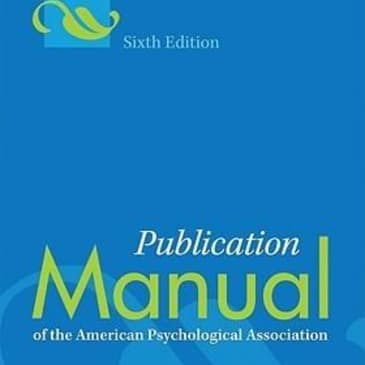
The "Publication Manual of the American Psychological Association" (often referred to simply as the APA Manual) is a widely-used style guide primarily in the fields of psychology and social sciences. The manual is published by the American Psychological Association (APA), which was founded in 1892 and is one of the largest professional organizations for psychologists in the world.
Author's Background
The APA is not attributed to a single author but is instead a collective effort of expert scholars and professionals in psychology and related disciplines. The organization gathers insights and recommendations from numerous contributors across various fields to ensure that the manual reflects current practices and methodologies.
Context of Publication
The first edition of the APA Manual was published in 1929, with the intention of standardizing the format and citation styles of research papers within psychology to facilitate clearer communication and understanding among scholars and readers. Over the years, the manual has undergone multiple revisions, with significant updates reflecting the evolution of research practices and the integration of technology in academia.
Notable revisions include:
- Second Edition (1974): Expanded to accommodate increased complexity in research and writing.
- Third Edition (1983): Provided more detailed guidelines on manuscript preparation and citation.
- Fourth Edition (1994): Incorporated new formats and guidelines relevant to psychological research.
- Fifth Edition (2001): Introduced changes to improve readability and inclusivity in writing.
- Sixth Edition (2010): Brought about significant updates in citation practices and encouraged the use of digital object identifiers (DOIs).
- Seventh Edition (2019): Presented the latest guidelines, including greater emphasis on accessibility, the use of singular "they," and adaptations for various formats such as online content.
Key Themes and Goals
The primary goal of the APA Manual is to promote clarity, consistency, and fairness in reporting psychological research. It serves as a tool for authors, researchers, and students to present their work in a way that adheres to established academic norms. The manual provides comprehensive guidance on various aspects of writing, including:
- Formatting guidelines for manuscripts
- Citation and referencing styles
- Ethical considerations in publishing
- Tips for writing with clarity and precision
The publication of the manual has played a significant role in shaping research writing and publication practices across disciplines, facilitating a common framework that enhances the credibility and accessibility of academic work.
In summary, the "Publication Manual of the American Psychological Association" serves as an essential resource for students, educators, and researchers, providing them with the tools to produce high-quality, ethically sound research that meets the standards of the psychological community and beyond.
Chapter 2 Analysis of main characters and plotThe "Publication Manual of the American Psychological Association," published by the American Psychological Association (APA), is not a narrative work with characters and a plot like a novel. Instead, it is a comprehensive guide that outlines the standards for writing and publishing in the field of psychology and other related disciplines.
Here are some key elements that can help readers understand the core content of the manual:
Key Elements
- Purpose: The manual serves as a guide to ensure clarity, consistency, and ethical standards in writing and publishing research.
- Writing Style: It emphasizes a clear and concise writing style, encouraging authors to use proper language, structure, and formatting in their work.
- Citing Sources: One of the main focuses is on proper citation practices. It provides guidelines for how to cite various types of sources, including books, journals, and online materials.
- Manuscript Structure: The manual details the typical structure of research papers, including title pages, abstracts, methods, results, and discussion sections.
- Ethical Guidelines: It discusses the ethical considerations in research, such as plagiarism, authorship, and the treatment of human participants.
- Formatting Requirements: There are specific formatting guidelines that cover everything from font size to margins, which helps maintain uniformity in academic writing.
Development
- Updates: The manual is periodically updated to reflect changes in publishing standards, research practices, and the evolving nature of academic writing.
- Examples: It includes numerous examples and sample papers to illustrate how the rules can be applied in real writing scenarios.
- Accessibility: The manual has been developed to help both novice and experienced researchers improve their writing and publication skills.
In summary, while there are no characters or plot in the APA Publication Manual, its key elements and guidelines are essential for anyone looking to write and publish in psychology and related fields, ensuring that their work adheres to professional standards.
Chapter 3 Theme Exploration and AnalysisThe "Publication Manual of the American Psychological Association," now in its seventh edition, serves as a comprehensive guide for writers, researchers, and students in the psychological and social sciences regarding the standards for scholarly writing and publication. Here are some significant themes and topics explored within the manual:
- Writing Style and Clarity
- Conciseness and Clarity: The manual emphasizes the importance of clear and concise language, encouraging authors to avoid jargon and unnecessary complexity.
- Active Voice: Preference for active voice is recommended to enhance readability and directness.
- Bias-Free Language: Guidance is provided to promote inclusivity and respect, advocating for the use of language that avoids bias related to gender, race, disability, and other characteristics.
- Structure of Academic Papers
- General Structure: The manual outlines the standard structure of a research paper, including title page, abstract, main body, and references.
- Headings and Subheadings: Guidelines for the use of headings to organize content logically and improve readability. This includes levels of headings and formatting rules.
- Research Reporting
- Methodology: Detailed reporting standards for methodology, including design, participants, materials, and procedure, to ensure transparency and replicability in research.
- Results and Discussion: Standards for reporting statistical findings and discussions, including how to interpret results in the context of existing literature and theory.
- Citing Sources and Reference Format
- In-text Citations: Guidelines on how to properly cite sources within the text, including different scenarios (e.g., paraphrasing, direct quotations).
- Reference List: Structure and format for various types of references (e.g., books, journal articles, electronic sources), including the use of DOI and URL as applicable.
- Ethical Considerations
- Plagiarism: Strong emphasis on the importance of originality and proper attribution, with guidelines on how to avoid plagiarism.
- Research Ethics: Overview of ethical considerations in research, including informed consent, confidentiality, and the humane treatment of participants.
- Tables and Figures
- Formatting Guidelines: Standards for creating tables and figures to present research data clearly and effectively.
- Supplementing Text: Recommendations on when to use tables and figures instead of or in addition to verbal descriptions.
- Publication Process
- Submitting Manuscripts: Guidance on preparing manuscripts for submission to journals, including considerations for peer review.
- Responding to Reviewers: Advice on how to address reviewer comments and revise manuscripts accordingly.
- Appendices and Supplemental Materials
- Use of Appendices: Instructions on when and how to include appendices for additional information that supports the main text without overcrowding it.
- Supplementary Materials: Recommendations for sharing additional data or multimedia that may enhance the reader's understanding of the research.
- Specialized Topics
- Using Inclusive Language: Specific guidance on language that respects diversity, equity, and inclusion.
- Writing for Different Audiences: Strategies for tailoring writing to different academic audiences and understanding the context of publication.
- Style Guidelines
- APA Style: In-depth explanation of APA style features, including citation formatting, manuscript preparation, and the use of personal pronouns.
- Grammar and Mechanics: Rules regarding punctuation, capitalization, and lists to ensure scholarly standards are maintained throughout the writing.
The "Publication Manual of the American Psychological Association" is essential for any academic or professional writing within the social sciences, providing a framework not only for layout and citation but also for ethical and inclusive communication. This fosters clear and reliable dissemination of research findings.
Book https://www.bookey.app/book/publication-manual-of-the-american-psychological-association
Quotes https://www.bookey.app/quote-book/publication-manual-of-the-american-psychological-association
YouTube https://www.youtube.com/watch?v=H5JWKbrHOAE
Amazom https://www.amazon.com/Publication-Manual-American-Psychological-Association/dp/1433832178
[00:00:00] Mastering Academic Writing, a Comprehensive Guide to the Publication Manual of the American Psychological Association
[00:00:06] Chapter 1 Summary of Publication Manual of the American Psychological Association
[00:00:13] The Publication Manual of the American Psychological Association is the authoritative guide for writing and formatting scholarly papers in the social and behavioral sciences, as developed by the American Psychological Association, APA.
[00:00:27] The manual provides comprehensive guidelines on a range of topics, including
[00:00:33] 1. Formatting Guidelines, Instructions on how to structure papers, including title pages, headings, font styles, margins, and reference lists
[00:00:42] 2. Citations and References, Detailed Rules for in-text citations and reference list entries, including format variations for books, journal articles, electronic sources, and more
[00:00:55] 3. Writing Style, Emphasis on clarity, Consistence, and Precision in Academic Writing
[00:01:01] It includes recommendations for avoiding bias and using inclusive language
[00:01:07] 4. Research Reporting, Guidelines for Presenting Research Findings, including methodology, results, and discussion sections
[00:01:15] 5. Ethics in Publishing, Considerations regarding plagiarism, authorship rights, and research ethics
[00:01:23] 6. Table and Figures, Instructions on how to present data visually, including creating and formatting tables, graphs, and charts
[00:01:32] 7. Supplementary Material, Guidance on how to include appendices and supplemental materials
[00:01:38] that support the main content of the paper
[00:01:41] The manual serves as a critical resource for students, researchers, and professionals
[00:01:46] in adhering to APA style, promoting consistency and rigor in scientific communication
[00:01:52] Updated editions reflect changes in publishing practices and technology
[00:01:57] making it essential for anyone engaged in scholarly writing in the relevant fields
[00:02:02] Chapter 2. The Meaning of Publication Manual of the American Psychological Association
[00:02:07] The publication manual of the American Psychological Association, commonly referred to as the APA Manual
[00:02:14] is a comprehensive guide published by the American Psychological Association, APA
[00:02:20] It provides standardized guidelines for writing, citing, and formatting academic papers across various disciplines
[00:02:27] particularly in the social and behavioral sciences
[00:02:30] The manual covers a variety of topics, including
[00:02:34] 1. Writing style, recommendations for clarity, precision, and consistentness in academic writing
[00:02:42] 2. Citations, guidelines for properly citing sources in text and in reference lists
[00:02:48] including various formats for different types of sources, books, articles, websites, etc.
[00:02:54] 3. Formatting, structure and layout specifications for papers, including title pages, headings, margins, font, and line spacing
[00:03:04] 4. Ethics, considerations for ethical writing practices, such as avoiding plagiarism and ensuring proper acknowledgement of others' work
[00:03:13] 5. Publication process, information on preparing manuscripts for submission to journals and the peer review process
[00:03:20] The manual is widely used in academic settings and is essential for students, researchers, and professionals who need to comply with APA style in their writing and publishing endeavors
[00:03:32] Chapter 3. Publication Manual of the American Psychological Association Chapters
[00:03:38] The Publication Manual of the American Psychological Association is a comprehensive guide that outlines the standards for writing and publishing research in the social and behavioral sciences
[00:03:49] While I can't provide specific summaries of each chapter, I can give you an overview of the key sections and concepts typically covered in the most recent editions
[00:03:59] 1. Introduction
[00:04:01] This section provides an overview of the purpose of the manual and the importance of clear, ethical writing in the context of scientific communication
[00:04:08] It introduces the APA style and its relevance to academic writing
[00:04:13] 2. Writing style and grammar
[00:04:16] 2. Writing style and grammar
[00:04:17] This chapter emphasizes clarity, consistence, and style in academic writing
[00:04:21] It covers grammar rules, sentence structure, and the use of language that is inclusive and bias-free
[00:04:28] 3. Mechanics of style
[00:04:30] This section discusses the technical aspects of writing, including punctuation, capitalization, abbreviations, numbers, and headings
[00:04:38] 4. It provides guidelines to ensure consistency and clarity in written work
[00:04:44] 4. Research and writing
[00:04:46] This chapter outlines the basics of the research process, from developing a research question to conducting a literature review
[00:04:53] It emphasizes the importance of citing sources and engaging in ethical research practices
[00:04:59] 5. Ethics in research and publication
[00:05:02] Here, the manual discusses the ethical considerations involved in conducting and reporting research
[00:05:09] Topics include authorship, plagiarism, data sharing, and the responsibilities of researchers to their subjects and their audience
[00:05:17] 6. Citing references and the reference list
[00:05:20] This chapter describes how to properly cite sources in text and format a reference list according to APA style
[00:05:26] It provides examples for various types of sources, including books, journal articles, webpages, and more
[00:05:34] 7. Publishing your research
[00:05:37] This section covers the process of submitting research for publication
[00:05:41] Including selecting a journal, preparing a manuscript, and navigating the peer review process
[00:05:46] 8. Narrative writing and reporting results
[00:05:50] This chapter offers guidance on organizing research findings and reporting results effectively, including the use of tables and figures to present data clearly
[00:05:59] 9. Appendices and additional material
[00:06:02] The manual may include appendices or additional resources that provide tools and templates for effective writing and referencing
[00:06:09] 10. Sample papers
[00:06:12] 10. Sample papers
[00:06:12] The manual typically includes sample papers showcasing how to apply APA style in different contexts, such as empirical studies, literature reviews, and theoretical articles
[00:06:23] Overall, the publication manual of the American Psychological Association serves as a vital resource for researchers, students, and professionals in the field of psychology and other social sciences
[00:06:35] Emphasizing the importance of ethical and effective communication in research
[00:06:40] For detailed summaries of specific chapters, referring directly to the manual would be most beneficial
[00:06:47] Chapter 4, 10 Quotes from Publication Manual of the American Psychological Association
[00:06:53] The Publication Manual of the American Psychological Association, APA, is a comprehensive guide that outlines the rules and standards for writing and formatting scholarly work
[00:07:03] While I can't provide direct quotes from copyrighted texts, I can summarize key concepts and principles from the manual
[00:07:11] Here are 10 important principles typically found in the APA manual
[00:07:16] 1. Clarity and Consistence
[00:07:18] Authors should strive for clear and concise writing to effectively communicate their research
[00:07:24] 2. Bias-free Language
[00:07:26] The manual emphasizes the importance of using language that is inclusive and free of bias regarding gender, race, disability, and other identities
[00:07:36] 3. Citing Sources
[00:07:37] Proper citation is critical in academic work to give credit to original authors and avoid plagiarism
[00:07:44] 4. Formatting Guidelines
[00:07:46] specific formatting rules, including margins, font size, and line spacing, help ensure consistency and professionalism in the presentation of scholarly work
[00:07:56] 5. Abstract requirement
[00:07:59] Often, academic papers require an abstract, which provides a brief summary of the research and findings
[00:08:05] 6. Reference list
[00:08:07] A comprehensive reference list at the end of a paper is essential for acknowledging sourced materials
[00:08:13] 7. Use of headings. The manual provides guidelines for using headings to organize content clearly and logically
[00:08:20] 8. Tables and figures. When including tables and figures, authors are advised to follow guidelines for labeling and formatting to enhance understanding
[00:08:30] 9. Ethical standards. Researchers are encouraged to adhere to ethical standards in conducting and reporting their research
[00:08:38] 10. Regular updates. The APA manual is regularly updated to reflect new research practices and changes in the field
[00:08:46] For exact quotes and detailed guidelines, please refer to the latest edition of the publication manual of the American Psychological Association