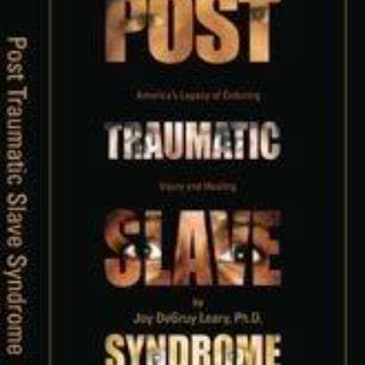
"Post Traumatic Slave Syndrome" by Joy DeGruy Leary explores the lasting psychological and emotional impacts of slavery on African Americans and how these historical traumas have been passed down through generations. The book argues that the effects of systemic racism and the legacy of slavery create a cycle of trauma that manifests in various forms, including mental health issues, behavioral problems, and socio-economic challenges. DeGruy presents a framework for understanding these phenomena and emphasizes the importance of healing and education to break the cycle, advocating for a deeper recognition of historical injustices and their contemporary implications.
2 Key Concepts of Post Traumatic Slave SyndromeIn "Post Traumatic Slave Syndrome," Dr. Joy DeGruy explores the lasting impact of slavery on African American culture and identity. The theme introduced in Chapter 1 revolves around the psychological trauma and behavioral manifestations stemming from historical oppression. Subsequent chapters that relate to this theme include Chapter 2, which delves into the historical context of slavery and its effects on family structures, and Chapter 4, which examines the intergenerational transmission of trauma and how it manifests in contemporary behavior and relationships within African American communities. These chapters build on the foundational concepts of trauma and resilience introduced in the first chapter, illustrating the deep-rooted and complex legacy of slavery.
3 In-Depth Chapter Analysis of Post Traumatic Slave Syndrome by Joy DeGruy LearyIn "Post Traumatic Slave Syndrome," Joy DeGruy Leary explores the historical and psychological impacts of slavery on African American communities through several distinct chapters. One key chapter is Chapter 3, where she delves into the concept of "historical trauma," illustrating how the collective experiences of slavery, segregation, and discrimination have resulted in deep-seated psychological effects that persist across generations. For example, Leary details how the trauma of enslavement has influenced modern behaviors and societal roles, creating what she identifies as a cycle of damage that manifests in issues such as low self-esteem, community disconnection, and internalized oppression. This chapter underscores the theme of the long-lasting repercussions of slavery and sets the groundwork for understanding the need for healing and reclamation of identity.
Another pivotal chapter is Chapter 7, which focuses on resilience and the potential for healing within African American communities. Leary emphasizes the strength and endurance of Black culture, highlighting examples of community leaders and initiatives that aim to promote mental health and well-being. For instance, she discusses the role of cultural pride and family connections in fostering resilience, illustrating how these elements serve as coping mechanisms against the backdrop of historical trauma. By showcasing both the painful legacy of systemic oppression and the empowering strategies for overcoming it, this chapter reinforces the overarching theme of survival and recovery, demonstrating that despite the generational scars of slavery, there exists a path toward healing and strength in community solidarity.
Book Summary Audio Bookey https://www.bookey.app/audiobook/post-traumatic-slave-syndrome
Youtube https://www.youtube.com/watch?v=Rorgjdvphek
Amazon https://www.amazon.com/Post-Traumatic-Slave-Syndrome-Americas/dp/0963401122
Goodreads https://www.goodreads.com/book/show/432113
[00:00:00] Post Traumatic Slave Syndrome by Joy DeGruy Learys Insights 1. What's Post Traumatic Slave Syndrome? Post Traumatic Slave Syndrome by Joy DeGruy Leary explores the enduring psychological and social effects of slavery on African Americans, positing that the trauma experienced by enslaved ancestors has been transmitted across generations.
[00:00:22] The book delves into the historical context of slavery and its after effects, addressing issues such as systemic racism, identity, and resilience within the African American community. DeGruy Leary introduces the concept of Post Traumatic Slave Syndrome, PTSS, to explain the complex behaviors and emotional struggles faced by descendants of enslaved individuals. Advocating for understanding, acknowledgement, and healing is essential steps toward empowerment and social change.
[00:00:52] Two Key Concepts of Post Traumatic Slave Syndrome In Post Traumatic Slave Syndrome by Dr. Joy DeGruy, Chapter 1 sets the foundation by discussing how the generational trauma of slavery affects African American culture and identity. Subsequent chapters, particularly Chapters 2 and 3, expand on this theme by examining the long-lasting psychological and social impacts of slavery on black families and communities.
[00:01:18] These chapters delve into the historical context of trauma and resilience, illustrating how the legacy of slavery contributes to contemporary issues such as systemic racism, mental health challenges, and disrupted family dynamics, thereby reinforcing the ideas introduced in the first chapter. Three In-depth chapter analysis of Post Traumatic Slave Syndrome by Joy DeGruy Leary
[00:01:41] In Post Traumatic Slave Syndrome, Dr. Joy DeGruy Leary explores the enduring psychological and cultural impacts of slavery on African Americans across several chapters, linking historical trauma to contemporary behavioral patterns.
[00:01:55] For example, in chapter 2, African American experience, the impact of cultural trauma, DeGruy outlines the psychological scars left by slavery and systemic racism, exemplifying how these experiences manifest in communities through issues like distrust, hypervigilance, and internalized oppression.
[00:02:14] This chapter emphasizes Leary's thesis that the historical trauma of slavery is not merely a relic of the past, but a continuing influence on the mental health and socioeconomic challenges faced by descendants today. In chapter 5, titled The Effects of Trauma, DeGruy discusses the implications of PTSD on African Americans, demonstrating how the legacy of slavery fosters maladaptive behaviors such as substance abuse, violence, and family dysfunction.
[00:02:42] She articulates how the behaviors observed in the community can be traced back to the long-standing effects of racial trauma, connecting personal and collective experiences to broader societal issues. These chapters collectively underscore the necessity of recognizing and addressing the psychological scars of slavery, advocating for a more profound understanding of the intergenerational traumas that continue to impact African American lives today.