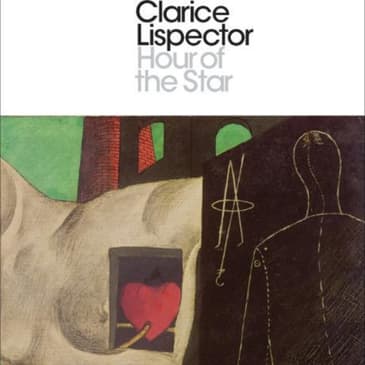
"Hour of the Star" by Clarice Lispector explores themes of identity, alienation, and the search for meaning through the life of Macabéa, a poor young woman living in Rio de Janeiro. The narrative, told from the perspective of a self-reflective author, delves into Macabéa's mundane existence and her struggles as an outsider, highlighting her innocence and the despair she faces in a harsh society that largely ignores her. The story poignantly examines the intersection of reality and fiction, examining the value of a person's life and the profound impact of societal indifference. Ultimately, it invites readers to reflect on the complexities of existence and the significance of individual stories within a broader context.
2 Key Concepts of Hour Of The StarIn "Hour of the Star" by Clarice Lispector, the theme of existential absurdity and the struggle for identity is established in Chapter 1, where the narrator reflects on the life of the protagonist, Macabéa. This theme resonates throughout the novel, particularly in Chapters 2 and 3, where Macabéa's mundane existence and her disconnection from society are further explored. These chapters illustrate her passive acceptance of her fate and highlight the absurdity of her struggles in a world that is indifferent to her existence. The theme of alienation and the search for meaning in an often cruel and indifferent universe persistently echoes throughout the narrative, providing a commentary on the human condition.
3 In-Depth Chapter Analysis of Hour Of The Star by Clarice Lispector"Hour of the Star" by Clarice Lispector is a poignant exploration of identity, existence, and the socio-economic struggles faced by marginalized individuals. The novel is divided into chapters, each intricately tied to the central theme of alienation and the quest for self-understanding. For instance, in the opening chapters, we are introduced to Macabéa, a poor young woman living in Rio de Janeiro. Her mundane life—characterized by her meager job as a typist and lack of personal connections—serves to highlight the stark reality of social invisibility. Lispector employs a stream-of-consciousness narrative to delve into Macabéa's thoughts, illustrating her naive optimism yet profound sense of alienation. The interaction with her co-workers and her passive acceptance of her life encapsulate the theme of existential despair amid an indifferent society.
As the story progresses, particularly in the latter chapters, the theme of suffering and aspiration becomes more pronounced. The dramatic climax occurs when Macabéa faces a stark turning point, culminating in tragic circumstances that epitomize her struggles against the oppressive forces of her surroundings. The author juxtaposes Macabéa's yearning for love and recognition with her harsh reality, illustrating the futility of her dreams. The moments of reflection, particularly through the narrator's commentary, further deepen the exploration of existence as a fundamental question—highlighting how societal neglect can shape the psyche of individuals. Lispector's use of language and philosophical musings throughout the chapters serves to reinforce the interconnectedness of Macabéa's life experiences with broader themes of identity, existentialism, and the human condition.
Book Summary Audio Bookey https://www.bookey.app/audiobook/hour-of-the-star
Youtube https://www.youtube.com/watch?v=-EC-qLLPYcE
Amazon https://www.amazon.com/Hour-Star-Second-Clarice-Lispector/dp/0811219496
Goodreads https://www.goodreads.com/book/show/762390.The_Hour_of_the_Star
[00:00:00] Hour Of The Star, an insightful audio summary of Clarice Lispector's masterpiece. One What's Hour Of The Star? Hour Of The Star by Clarice Lispector explores themes of identity, existence, and the struggles of the marginalized. The novel follows Maccabee, a poor, naive young woman living in Rio de Janeiro who embodies the existential plight of those overlooked by society.
[00:00:24] Through the narrative, which is marked by a unique, introspective style, Lispector emphasizes the absurdity of life and the complexities of human emotion, as Maccabee navigates her bleak reality filled with unfulfilled dreams and the search for meaning. The novel pointedly reflects on the nature of suffering and the search for authenticity in a world that often denies recognition and dignity to those at the fringes. Two Key Concepts Of Hour Of The Star
[00:00:50] In Hour Of The Star by Clarice Lispector, Chapter 1 introduces the theme of existential emptiness and the struggle for identity. This theme resonates throughout the novel, particularly in Chapter 3, where the protagonist, Maccabee, grapples with her insignificance in a harsh and indifferent world. Additionally, Chapter 6 deepens this exploration as Maccabee's fleeting moments of hope and desire
[00:01:15] clash with her reality, highlighting the contrast between her dreams and her mundane life. Together, these chapters emphasize the broader existential questions posed in the opening, illustrating Maccabee's journey through a life marked by invisibility and despair. Three In-Death Chapter Analysis Of Hour Of The Star by Clarice Lispector In The Hour Of The Star by Clarice Lispector, the narrative unfolds through a series of interconnected
[00:01:41] chapters that highlight themes of identity, alienation, and the search for meaning in a harsh reality. The first chapter introduces the protagonist, Maccabee, an impoverished, naive young woman living in Rio de Janeiro, establishing her as a symbol of the marginalized and voiceless. Lispector's use of disjointed narrative and introspective style emphasizes Maccabee's isolation and unremarkable existence.
[00:02:07] For instance, her mundane experiences and lack of self-awareness reflect a broader commentary on societal indifference towards the disenfranchised. As the story progresses to the later chapters, Maccabee's encounters and decisions amplify the theme of existential struggle. In a pivotal chapter, when she experiences love and the fleeting promise of happiness, the narrative deepens the exploration of her internal conflict. The contrast between her aspirations and the harshness of her reality
[00:02:36] culminates in the tragic realization of her insignificance. Lispector vividly portrays this through the imagery of the star, representing hope and unattainable dreams. Ultimately, the book culminates in a profound reflection on her existence and the nature of life itself, leaving readers to grapple with the fragile boundaries of identity and the enduring search for meaning in a chaotic world.