"The Story of the Human Body" is a non-fiction book written by Daniel E. Lieberman, a professor of biological sciences at Harvard University. In the book, Lieberman explores the evolution of the human body and how it has adapted over millions of years to its environment.
Lieberman discusses various aspects of human evolution, including how our bodies have developed to walk upright, run long distances, and consume a wide range of foods. He also examines the impact of modern lifestyles on our bodies, such as the prevalence of obesity and chronic diseases like diabetes.
Through engaging storytelling and scientific research, Lieberman sheds light on the incredible journey of human evolution and provides insight into how we can better care for our bodies in the modern world. "The Story of the Human Body" is a fascinating exploration of our evolutionary past and how it continues to shape our health and well-being today.
Chapter 2 Is The Story of the Human Body Book recommended for reading?Yes, "The Story of the Human Body" by Daniel E. Lieberman is considered a good book by many readers and experts. It provides a comprehensive and engaging exploration of the evolution of the human body and how our ancient past continues to influence our health and well-being today. The book is well-researched, informative, and thought-provoking, making it a valuable read for anyone interested in human biology, evolution, and health.
Chapter 3 The Story of the Human Body Book Summary"The Story of the Human Body" by Daniel E. Lieberman is a book that explores the evolution of the human body and the ways in which it has adapted to the challenges of survival over millions of years. Lieberman, a professor of human evolutionary biology, takes readers on a journey through history to examine how our bodies have changed in response to changes in our environment, diet, and lifestyle.
Throughout the book, Lieberman explores topics such as why our bodies store fat, why we walk on two legs, and why we experience pain and disease. He also discusses the ways in which modern lifestyles have created new challenges for our bodies, such as sedentary behavior and unhealthy diets.
Lieberman emphasizes the importance of understanding our evolutionary history in order to better care for our bodies in the present and future. He argues that while our bodies are remarkably adaptable, they are not invincible, and that by understanding the ways in which they have evolved, we can make better choices for our health and well-being.
Overall, "The Story of the Human Body" offers a fascinating and insightful look at the complex and fascinating history of the human body, and provides valuable insights into how we can live healthier lives today.
Chapter 4 Meet the Writer of The Story of the Human Body BookThe author of the book "The Story of the Human Body: Evolution, Health, and Disease" is Daniel Lieberman, a professor of human evolutionary biology at Harvard University. The book was first released in 2013.
In addition to "The Story of the Human Body," Daniel Lieberman has also written several other books, including "The Evolution of the Human Head" and "Endurance: What We Can Learn from the Science of Human Resilience."
"The Story of the Human Body" is arguably Lieberman's most well-known and widely-read book, and has received critical acclaim for its engaging and informative exploration of human evolution, anatomy, and health. It has been published in multiple editions, including hardcover, paperback, and e-book formats.
Chapter 5 The Story of the Human Body Book Meaning & Theme The Story of the Human Body Book Meaning"The Story of the Human Body" by Daniel E. Lieberman is a book that explores how the human body has evolved over time and how our modern lifestyles are impacting our health and well-being. The book delves into topics such as diet, exercise, posture, and the effects of technology on our bodies. It ultimately serves as a guide to understanding our bodies and making healthier choices in our daily lives.
The Story of the Human Body Book ThemeThe main theme of The Story of the Human Body by Daniel E. Lieberman is the evolution of the human body and how it has adapted over time to various environments and lifestyles. Lieberman explores the many ways in which human beings have evolved physically, from the development of bipedalism to changes in our diet, and how these adaptations have influenced our health and survival as a species. The book also delves into how our modern lifestyles, including sedentary behavior and unhealthy diets, are causing health problems and diseases that our bodies are not well-equipped to handle. Ultimately, Lieberman emphasizes the importance of understanding our evolutionary history and considering it in order to live healthier and happier lives.
Chapter 6 Various Alternate Resources- Amazon: The Story of the Human Body: Evolution, Health, and Disease by Daniel Lieberman – available for purchase in both paperback and Kindle formats.
- Goodreads: Reader reviews and ratings of The Story of the Human Body by Daniel Lieberman.
- YouTube: Video reviews and summaries of The Story of the Human Body book by Daniel Lieberman.
- Google Books: Preview and overview of The Story of the Human Body by Daniel Lieberman.
- Barnes & Noble: Information and reviews of The Story of the Human Body book by Daniel Lieberman.
- Twitter: Tweets and discussions related to The Story of the Human Body by Daniel Lieberman.
- Facebook: Posts and discussions in book-related groups about The Story of the Human Body by Daniel Lieberman.
- Instagram: Photos and reviews of The Story of the Human Body book by Daniel Lieberman.
- LibraryThing: Reader reviews and discussions about The Story of the Human Body by Daniel Lieberman.
- Bookstr: Articles and features about The Story of the Human Body book by Daniel Lieberman.
The Story of the Human Body Book quotes as follows:
- "The human body is a marvel of evolution, shaped by millions of years of adaptation to a changing environment."
- "Our bodies are a product of our evolutionary history, with each part serving a specific purpose in helping us survive and thrive."
- "Evolution has equipped us with amazing capabilities, such as running long distances, throwing with precision, and communicating through language."
- "Our bodies are constantly adapting to the demands of our modern lifestyles, but our evolutionary heritage still influences many aspects of our health and well-being."
- "Understanding the evolutionary origins of our bodies can help us make better choices about how we eat, move, and live in order to optimize our health."
- "Despite our modern comforts and conveniences, our bodies are still subject to the same biological processes that governed our ancestors' lives."
- "By studying the evolutionary history of the human body, we can gain valuable insights into how to prevent and treat common health problems."
- "Our bodies are a testament to the power of evolution, with each part finely tuned to perform its specific function in the complex machinery of life."
- "The story of the human body is a journey through time, from our ancient ancestors to the modern humans we are today."
- "Through understanding and respecting our evolutionary origins, we can better appreciate the incredible complexity and resilience of the human body."
- "Sapiens: A Brief History of Humankind" by Yuval Noah Harari - This book provides a fascinating exploration of the history of humans and how our bodies and minds have evolved over time.
- "The Selfish Gene" by Richard Dawkins - This influential book delves into the role of genetics in shaping human behavior and the evolution of our species.
- "Why We Sleep: Unlocking the Power of Sleep and Dreams" by Matthew Walker - A deep dive into the importance of sleep and how it impacts our overall health and well-being.
- "The Immortal Life of Henrietta Lacks" by Rebecca Skloot - This book tells the true story of Henrietta Lacks, whose cells were unknowingly used for scientific research and have contributed to numerous medical breakthroughs.
- "The Emperor of All Maladies: A Biography of Cancer" by Siddhartha Mukherjee - A comprehensive look at the history and impact of cancer on human societies, shedding light on the disease's complex relationship with the human body.
[00:00:00] Hi, welcome to Bookey, which unlock big ideas from world best sellers in audio, text and mind map.
[00:00:07] Please download Bookey at Apple Store or Google Play with more features. Get your free mind snack now.
[00:00:14] Today we will unlock the book the story of the human body.
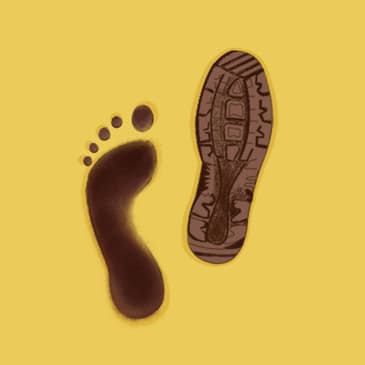
[00:00:18] Within Running Clubs, Barefoot Running has become a trending activity in Europe and the US for a while.
[00:00:24] Why should we run Barefoot?
[00:00:26] Why is such a weird activity popular?
[00:00:29] In essence, it actually involves knowledge related to human evolution.
[00:00:35] The so-called Barefoot Running freeze the feet from the shackles of shoes and socks.
[00:00:40] The muscles of the souls, ankles, calves, and thighs are thus able to perform their respective
[00:00:45] duties to complete their inherent task when running. Many studies prove that walking barefoot
[00:00:51] is more conducive to the health of foot joints and muscles than walking with shoes,
[00:00:55] and dramatically reduces damage to the knee joint from running.
[00:01:00] Why is this case? If shoes were invented by humans to provide comfort and safety,
[00:01:05] why do they create health problems?
[00:01:08] In a broad sense, the reason lies in the direction of our body's evolution.
[00:01:13] Scientists estimate that the earliest hominins arose around 6 million years ago,
[00:01:18] and it took that much of a time for human evolution to achieve the stage of modern humans.
[00:01:24] During most of this span of time, humans walked barefoot, so our foot structure and walking
[00:01:29] style have adjusted for walking in such way. Specifically, our souls have developed a rich and
[00:01:35] extensive neural network that can detect discomfort in our feet when walking.
[00:01:40] As a result, we naturally and continuously adjust our posture while walking in order to
[00:01:45] avoid damage to the joints. However, wearing shoes impair such ability.
[00:01:50] With a history of barely more than 45,000 years, wearing shoes is a new fashion that only appeared
[00:01:58] relatively recently compared to the 6 million years of human evolution. Hence, as far as our bodies
[00:02:04] are concerned, wearing shoes is still a new territory. Our feet have yet to totally adapt to this
[00:02:10] new environment, which has led to a series of problems. Studies have shown that foot diseases such
[00:02:16] as flat foot and berryberry can be easily induced by placing feet in humid, deoxygenated,
[00:02:22] and closed conditions over an extended period such as in a shoe.
[00:02:27] As a matter of fact, in the wake of changes in our living conditions, more and more diseases
[00:02:33] have emerged due to our bodies inability to adapt to the new environment. These diseases are also
[00:02:39] known as mismatched diseases. For example, high blood pressure, diabetes, coronary heart disease,
[00:02:46] cancer, depression, and anxiety. So, what are the environmental changes that make us vulnerable to
[00:02:54] the mismatched diseases? Is there a way for us to prevent and treat them? The book the story of
[00:03:00] the human body will tell you all the answers. Seeking to understand the causes,
[00:03:06] preventions, and cures of mismatched diseases, this popular science book begins with a modern
[00:03:11] context and then looks back on the history of human evolution. In this book, you will get to know
[00:03:17] the evolutionary origins of all our body parts, and why they developed as they did,
[00:03:22] and in what environment they are formed. Daniel E. Lieberman is a professor of human
[00:03:28] evolutionary biology at Harvard University. His field of research spans multiple academic disciplines,
[00:03:35] such as paleontology, anatomy and physiology. He has made remarkable achievements, especially in
[00:03:42] the field of human brain evolution. Lieberman received the Everett Mendelssohn Excellence in
[00:03:48] Mentoring Award in 2009 in Harvard College Professorship from 2010 to 2015. For years, he had been
[00:03:55] thinking of one question, how did the human body evolve into its current form? This book the story
[00:04:01] of the human body is as attempt to answer this big and complicated issue to the best of his ability.
[00:04:08] Next, we will uncover for you the best bits from the book in three parts. Let's take a look at
[00:04:14] the secrets of our body's evolution. Section 1, how the environment shaped the human body.
[00:04:21] Section 2, the rise of mismatched diseases driven by the agricultural revolution and the industrial.
[00:04:28] Section 3, the causes and preventions of mismatched diseases.
[00:04:34] The evolution from the earliest hominins to the present human being can be roughly divided
[00:04:39] into five stages, each stage is characterized by a crucial transformation that resulted from adaptation
[00:04:45] to the environment, which led to the development of the human body as we know it today. Let's check
[00:04:51] out the first transformation, the evolution into upright bipeds. Sahelinthropist Chaudences
[00:04:58] bororin-tu-genensis, an artipithecus cadaver where the earliest hominins six million years ago.
[00:05:04] At that time, the global climate cooled considerably. The cooling process lasted over millions
[00:05:11] of years with fluctuations between warmer and colder periods. This led to the shrinkage of
[00:05:16] rainforests and the expansion of woodland habitats. This significant climate change altered the
[00:05:23] living conditions of the hominins. At the same time, it created food shortages for them.
[00:05:29] As a result, the body of the hominins had to undergo a transformation to adapt to these changes.
[00:05:35] The most prominent change they made was adjusting to walking upright.
[00:05:40] Due to the shrinkage of rainforests, our ancestors had no choice but to walk further in search
[00:05:45] for habitat and food. Standing on both feet could make it easier for them to pick certain fruits,
[00:05:51] and it was more energy efficient. Studies shows that given the same energy consumption,
[00:05:56] a chimpanzee can only walk two or three kilometers per day, while a human being can walk eight to
[00:06:02] 12 kilometers. This is determined by the body structure and walking posture. Studies on fossils
[00:06:09] from six million years ago indicate that a ruin-tu-genensis had already developed feature suitable for
[00:06:15] walking upright. For instance, they developed a large hip joint, a wider femur, muscles at the arch
[00:06:22] and the foot used for propulsion, an esch-shaped spine, and so on. These adaptive changes enabled
[00:06:28] them to acquire more food than their counterparts, and ensure a higher survival rate.
[00:06:34] The second stage of evolution was mainly a result of coping with food shortages.
[00:06:39] Four million years ago, with the expansion of open woodland and savannah habitats,
[00:06:44] there were fewer and fewer edible wild fruits available. Because of the fruit crisis, our human
[00:06:50] ancestors began to feed on leaves, plant stems, herbs, and bark. In order to chew hard and tough foods,
[00:06:58] their teeth and faces underwent adaptive changes. One example is Australopithecus. Their teeth
[00:07:05] are not only broad and thick but also flattened. They have much smaller, shorter, and less dagger-shaped
[00:07:12] fangs than chimpanzees. Big and full teeth are better suited for tough and hard foods. Also,
[00:07:18] they have evolved huge chewing muscles, wide cheekbones, and upper and lower jaws. These features
[00:07:25] produced powerful bites that simultaneously displaced their cheekbones outward, making their
[00:07:30] faces wide as they were long, causing it to appear large. The era of the Australopithecus was a
[00:07:37] crucial transition period in human evolution. They reduced their dependence on fruits and time-span
[00:07:43] on trees. They became more accustomed to walking on both feet, which laid the foundation for
[00:07:48] the third stage of evolution. The third stage of evolution took place around two or three million
[00:07:55] years ago. When the Earth entered the early ice age, and again, food became scarce.
[00:08:01] Natural selection prefers a revolutionary and more thorough solution to a changing habitat,
[00:08:07] which is why our ancestors left foraging behind and started hunting and gathering.
[00:08:13] The new behaviors included not only collecting tubers and other plants, but also eating more meat,
[00:08:19] using tools to harvest and process food, working in close cooperation with others,
[00:08:24] sharing food, and so on. Food sharing was an iconic feature of the hunter-gatherer period.
[00:08:32] These changes allowed Australopithecus to gradually evolve into the genus Homo,
[00:08:36] and to acquire a body close to that of modern humans. People from this period are called Homo erectus.
[00:08:44] The most apparent adaptive change that happened at this stage was the elongation of legs.
[00:08:49] The backbone and joints of the leg bones also transformed. These changes allowed our ancestors
[00:08:55] to run longer to catch up with animals. In contrast, apes usually walk no more than 3 kilometers a day.
[00:09:04] Running for a long time requires lower body temperature, so the body hairs of the hominins at
[00:09:09] that time became thinner and the hair follicles degenerated. They also developed extra
[00:09:14] sweat glands for lowering their body temperature during vigorous running, and a unique outer nose
[00:09:20] that plays an important role in thermoregulation by generating turbulence in the air inhaled through
[00:09:25] the inner nose. Furthermore, during this period, humans' gluteus maximus began to develop for
[00:09:32] running long distances, as well as the semicircular canal of the inner ear to maintain balance.
[00:09:38] It could be said that the third stage of evolution was a crucial step in the evolution of hominins from
[00:09:43] an ape to a human being. In the fourth stage, the body of hominins evolved further as it developed
[00:09:50] an energy conversion system to provide enough energy to the brain. This physiological system enlarged
[00:09:57] the human body, thickened layers of fat, and also caused the body to grow relatively more slowly.
[00:10:04] We have learned that in the third stage, Homo erectus learned to cooperate and share, thus
[00:10:09] facilitating the growth of their brains, which was the most notable change between the hominins
[00:10:15] tribe that lived more than roughly one million years ago in the prior hominins tribe.
[00:10:20] Based on discovered skulls, scientists learned that the brain capacity of the genus Homo nearly
[00:10:26] doubled throughout the entire ice age. A huge brain can help us think, remember, and perform
[00:10:32] difficult cognitive tasks. So why hadn't the brain of prior humans evolved as such?
[00:10:38] The answer has something to do with energy. For most species, larger brain means enormous
[00:10:44] energy consumption. The ancient hominins were continually in a state of food scarcity.
[00:10:49] It was not until the hunter gather a period that they had the opportunity to store energy
[00:10:55] that allowed their brains to evolve. Although many of us are now troubled by body fat and struggle
[00:11:01] with managing our weight, our ancestors continuously suffered from fat deficiency and low body weight.
[00:11:08] Hence, at some point, fat storage evolved as a critical adaptive change in the human body.
[00:11:13] Without the body's ability and predisposition to store fat, perhaps the hominins would have never
[00:11:19] developed larger brains, and there would be no subsequent civilization.
[00:11:24] By the end of the ice age, all close relatives of humans became extinct,
[00:11:28] such as Homo-Hydlbergensis and Homo Neanderthals. Modern humans or Homo sapiens are the only surviving
[00:11:35] species within the genus. Why is this so? What makes us unique is the only surviving species of
[00:11:42] genus Homo? It's about time we mentioned the fifth stage of evolution. As mentioned earlier,
[00:11:49] the only surviving human species at this stage was the Homo sapiens. The fifth stage of evolution
[00:11:55] was primarily the formation of language and culture. Due to a special brain structure,
[00:12:01] humans possess special abilities, such as the ability to think and imagine. These abilities
[00:12:07] helped our ancestors to effectively communicate and be creative.
[00:12:12] Based on ruins in Africa, scientists estimated that Homo sapiens began long distance
[00:12:17] trading around 70,000 years ago, which means that there were already complex and massive social
[00:12:23] networks at the time. They were also able to make new tools, such as small stone points used
[00:12:29] as arrowheads, harpoons used for fishing, alts, and needles to fabricate clothing and nets.
[00:12:36] They even began to make some art objects, such as frescoes and carved figurines,
[00:12:41] stained necklace beads and so forth. Humans in the fifth stage of evolution started
[00:12:47] learning to express their beliefs and emotions, and there were dramatic changes in their ways
[00:12:52] of thinking and behavior. Compared with their ancient cousins, Homo sapiens shows more remarkable
[00:12:58] creative and communication skills. Homo sapiens is a species with a rich culture. Though culture
[00:13:05] itself is not a biological property, human cultural behavior with the abilities to utilize and change
[00:13:11] culture is a result of physiological adaptations present in modern humans. Such adaptation generates
[00:13:18] a strong impetus that speeds up the evolution of humanity. Lieberman believes that it is the
[00:13:24] best answer as to why Homo sapiens are the only extin human species. That concludes our content
[00:13:30] for part one. Let's do a brief review. There are five stages of human evolution that led to the
[00:13:37] present-day humans. The human body evolved into its current form by constantly adapting to
[00:13:42] environmental changes. To adapt to the shrinking rainforests and changes in living conditions,
[00:13:48] our A-Plyc ancestors learned to walk upright. To cope with the food shortages, they evolved thick
[00:13:54] molars. To deal with the continuous changes in habitat, they changed their foraging habits and
[00:14:00] turned to hunting and gathering. They developed the ability to walk and run long distances,
[00:14:06] as well as organs to maintain a lower body temperature. As food shortage became a thing of the past
[00:14:12] and they were able to store energy, their brain volumes began to grow larger. They became smarter
[00:14:18] and eventually, they also developed cultures and the ability to communicate using languages.
[00:14:25] Today we are just sharing limited content. To unlock more key insights of world-class bestseller
[00:14:31] please download our app. Just search for be O-K-E-Y at Apple Store or Google Play. Get your free
[00:14:38] mind snack now.