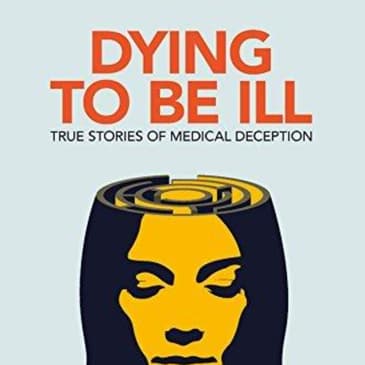
"Dying to Be Ill" by Marc D. Feldman explores the phenomenon of Munchausen syndrome and related psychological disorders, where individuals intentionally feign or induce illness to gain attention and sympathy. The book delves into the motivations behind this behavior, including the emotional and psychological needs that drive individuals to fabricate medical conditions. Feldman draws on real-life case studies and his own experiences as a physician to provide insight into the complexities of these disorders, the challenges they pose for healthcare providers, and the impact on both patients and their families. Ultimately, the book highlights the need for compassion and understanding when addressing these intricate psychological issues.
2 Key Concepts of Dying to be IllIn "Dying to be Ill" by Marc D. Feldman, Chapter 1 introduces the theme of factitious disorder and the complex psychological motivations behind it. Subsequent chapters that relate to this theme include Chapter 2, which explores the various forms of factitious disorder, and Chapter 5, which delves into case studies illustrating the lengths individuals may go to in order to substantiate their illnesses. Additionally, Chapter 7 addresses the societal and relational impacts of these behaviors, providing further context to the motivations discussed in the initial chapter. Together, these chapters deepen the understanding of the nuances of factitious disorder beyond the foundational concepts presented in Chapter 1.
3 In-Depth Chapter Analysis of Dying to be Ill by Marc D. FeldmanIn "Dying to be Ill," Marc D. Feldman explores the complexities of factitious disorders, focusing on individuals who feign illness for attention or sympathy. In Chapter 2, “The Syndrome,” Feldman outlines the clinical characteristics of Factitious Disorder and differentiates it from other psychological conditions, emphasizing the profound need for care from others as a driving force behind this behavior. This chapter serves as the foundation for understanding not only the psychological mechanisms at play but also the societal impact of these disorders. The connection to the overarching theme of the desperate search for attention and validation is evident as Feldman presents case studies demonstrating the lengths to which individuals will go to achieve sympathy from both medical professionals and their families.
Another crucial chapter, Chapter 5, “The Imposter’s Playbook,” delves into the strategies employed by those with Factitious Disorder to fabricate illness convincingly. Here, Feldman provides detailed examples of manipulation and deceit, illustrating the psychological complexity of the disorder. The narrative of a patient who fabricates symptoms to gain hospital admission underscores the lengths to which individuals will go to maintain their "sick role," reinforcing the theme of a deep-seated desire for recognition and emotional support. This chapter, alongside the foundational understanding presented in Chapter 2, weaves a rich tapestry of how mental illness intertwines with societal perceptions of illness and caregiving, thereby enhancing our comprehension of the human experience behind these disorders.
Book Summary Audio https://www.bookey.app/audiobook/dying-to-be-ill
Youtube https://www.youtube.com/watch?v=8j8GAFr04Qs
Amazon https://www.amazon.com/Dying-Ill-Stories-Medical-Deception-ebook/dp/B07D18L8KQ
Goodreads https://www.goodreads.com/book/show/40165460-dying-to-be-ill
[00:00:00] Chapter 1 Summary of Dying to be Ill Dying to be Ill by Marc D. Feldman explores the complex phenomenon of factitious disorder where individuals consciously produce or exaggerate medical symptoms to gain attention and sympathy. Through case studies and clinical insights, Feldman delves into the psychological motivations behind this behavior, highlighting the emotional and social factors that drive individuals to seek illness as a means of coping with deeper issues.
[00:00:28] He also discusses the challenges healthcare professionals face in diagnosing and managing these cases, emphasizing the delicate balance between empathy and skepticism in treatment. Chapter 2 The Core Themes of Dying to be Ill Dying to be Ill by Marc D. Feldman explores complex themes surrounding factitious disorders, particularly Munchausen Syndrome, where individuals intentionally feign illness for attention and sympathy.
[00:00:56] The book delves into the psychological motivations behind these behaviors, highlighting the interplay between personal identity, societal perceptions of illness, and the desperate need for validation and care. Feldman also examines the ethical dilemmas faced by healthcare professionals, the impact on families, and the broader implications for understanding human behavior and mental health.
[00:01:20] Through vivid case studies, the narrative emphasizes the struggle between the desire for connection and the damaging consequences of deceit. Chapter 3 10 Quotes from Dying to be Ill Here are 10 insightful quotes from Dying to be Ill, True Stories of Medical Deception by Marc D. Feldman, a book that explores factitious disorder, Munchausen Syndrome, and medical deception. 1. 1. Factitious Disorder is not about seeking treatment.
[00:01:48] It's about seeking attention, validation, and control. 2. For some, illness becomes an identity rather than a condition to be cured. 3. Medical deception is not just about faking symptoms. It's about manipulating an entire system built on trust. 4. The need to be seen as a patient can sometimes outweigh the desire to be well. 5. Factitious Disorder is a paradox. Those who suffer from it harm themselves to feel cared for.
[00:02:18] 6. The internet has created a new wave of medical deception, where illness can be fabricated with just a few clicks. 7. Munchausen Syndrome is not simply lying. It's a deep psychological struggle for validation and belonging. 8. The damage caused by medical deception extends beyond the individual. It affects families, doctors, and entire healthcare systems. 9.
[00:02:43] Understanding Factitious Disorder requires compassion, but it also demands vigilance. 10. Healing from factitious disorder is possible, but it requires confronting the emotional wounds that drive the deception. The damage caused by multiple people in charge of the deception when theихrenate andньety attack forces are not doing right, but a lot of people eventually saw it as Thank you.