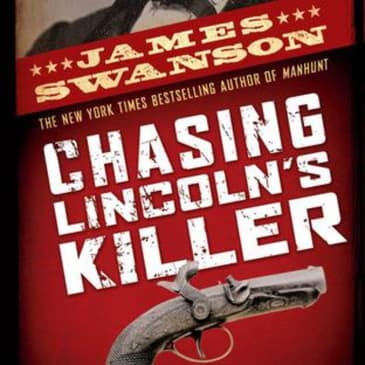
"Chasing Lincoln's Killer" by James L. Swanson explores the dramatic and intense pursuit of John Wilkes Booth, the assassin of President Abraham Lincoln, following the assassination on April 14, 1865. The narrative intertwines historical events with the personal stories of those involved, including Booth's escape through Southern Maryland and Virginia, the determination of Union soldiers and detectives to capture him, and the broader societal impacts of the assassination. Swanson's engaging retelling highlights themes of justice, the complexities of post-Civil War America, and the relentless nature of law enforcement as they work against time to bring Booth to justice.
2 Key Concepts of Chasing Lincoln's KillerIn "Chasing Lincoln's Killer," the theme of justice and the pursuit of accountability resonates throughout the narrative, especially in chapters that detail the manhunt for John Wilkes Booth and his accomplices. Specifically, Chapter 2, which outlines the immediate response to Lincoln's assassination, highlights the urgency and resolve of law enforcement to bring Booth to justice. Similarly, Chapter 5, where the pursuit intensifies across various states, underscores the determination of the authorities and civilians alike to ensure that Booth faces the consequences of his actions, reinforcing the idea that justice must be served following such a monumental crime. These chapters collectively illustrate the relentless quest for justice that underpins the entire story.
3 In-Depth Chapter Analysis of Chasing Lincoln's Killer by James L. SwansonIn "Chasing Lincoln's Killer," James L. Swanson intricately weaves a narrative that follows the assassination of President Abraham Lincoln and the subsequent manhunt for John Wilkes Booth. Each chapter encapsulates a crucial moment in this dramatic historical account, collectively underscoring themes of justice, loyalty, and the impact of violence. For instance, in the chapters detailing Booth's escape, Swanson highlights both the desperation and determination of the assassin, showcasing how his initial plan rapidly devolved into chaos. The juxtaposition of Booth's fervent allegiance to the Confederate cause with the moral implications of his actions accentuates the psychological conflict faced by many during this tumultuous period in American history.
As the chapters unfold, the relentless pursuit by law enforcement, especially the role of the soldiers and detectives, emphasizes the theme of justice. The meticulous details regarding their investigation, such as the use of telegraphs and informants, illustrate the era's technological limitations and the tenacity of those seeking to bring Booth to justice. Furthermore, the narrative explores the broader ramifications of Lincoln's assassination, reflecting the national trauma and division caused by the Civil War. By weaving together personal accounts, historical context, and dramatic tension, Swanson not only recounts a gripping tale but also invites readers to ponder the moral complexities surrounding loyalty and justice during a critical juncture in American history.
Book https://www.bookey.app/book/chasing-lincoln%27s-killer
Quotes https://www.bookey.app/quote-book/chasing-lincoln%27s-killer
YouTuBe https://www.youtube.com/watch?v=-01SaFyIV0Y
Amazon https://www.amazon.com/Chasing-Lincolns-Killer-James-Swanson/dp/0439903548
Goodreads https://www.goodreads.com/book/show/3790380-chasing-lincoln-s-killer
[00:00:00] Unraveling the Conspiracy, The Pursuit of Lincoln's Assassin and Chasing Lincolns Killer Chapter 1 Summary of Chasing Lincolns Killer Chasing Lincolns Killer by James L. Swanson is a gripping narrative that chronicles the assassination of President Abraham Lincoln by John Wilkes Booth and the subsequent manhunt for Booth and his co-conspirators.
[00:00:20] Set in the tumultuous aftermath of the Civil War, the book details the dramatic events leading up to the assassination, Booth's escape, and the tireless efforts of the authorities, including Union soldiers and detectives, to capture him. Swanson vividly portrays the historical context, the motivations behind Booth's actions, and the chaos that ensued, blending meticulous research with a fast-paced storytelling approach to engage readers in this pivotal moment in American history.
[00:00:49] Chapter 2 The Core Themes of Chasing Lincolns Killer Chasing Lincolns Killer by James L. Swanson explores several core themes, including justice and revenge, the pursuit of truth, and the impact of historical events on national identity. Through the gripping narrative of John Wilkes Booth's assassination of President Abraham Lincoln and the subsequent manhunt, the book delves into the consequences of violent actions and their larger implications for a divided nation.
[00:01:18] It also highlights the determination of law enforcement and the complexities of human motivation, illustrating how personal vendettas and political beliefs can drive individuals to extreme measures. Ultimately, the story serves as a poignant reminder of the fragility of democracy and the enduring struggle for justice in the face of tragedy. Chapter 3 10 Quotes from Chasing Lincolns Killer
[00:01:42] Chasing Lincolns Killer by James L. Swanson is a historical narrative that details the events surrounding the assassination of President Abraham Lincoln and the subsequent manhunt for his killer, John Wilkes Booth. Here are ten notable quotes from the book. 1. The story of Lincoln's assassination is not just a tale of blood and betrayal, it is a testament to the times and the turbulence of a nation. 2. Booth was an actor, and like a master performer, he played his role to perfection.
[00:02:13] 3. As the nation grieved, the manhunt for Booth became a race against time and fate. 4. In the wake of Lincoln's death, the spirit of the country seemed to falter, but determination would not be extinguished. 5. Across the land, the echoes of gunfire ignited a passion for justice that would resonate through the ages. 6. In that moment, as Booth made his escape, history was being rewritten.
[00:02:39] 7. The South viewed Booth as a hero, while the North only saw him as a villain in a tragic play. 8. The pursuit of Booth was marked by desperation, betrayal, and moments of unexpected bravery. 9. The tapestry of events leading to the assassination wove together a complex picture of loyalty, desperation, and vengeance. 10. Even as darkness fell over the nation, hope flickered, as it always does in times of despair.
[00:03:08] These quotes capture the essence of the book's exploration of the assassination, its impact, and the dramatic chase that followed. 11. The West called Booth. you