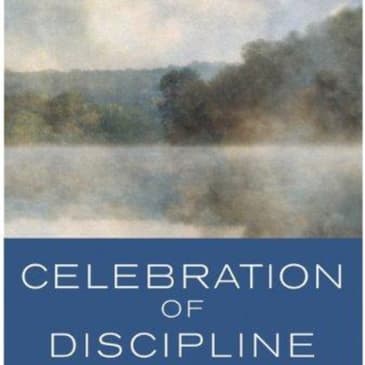
"Celebration of Discipline: The Path to Spiritual Growth" is a seminal work written by Richard Foster, published in 1978. Richard Foster is an American author, speaker, and theologian known for his emphasis on spirituality and the disciplines of the Christian faith. He is the founder of Renovaré, a Christian organization that promotes the renewal of the church and encourages spiritual formation.
Author's Background
- Educational Background: Foster holds a degree from the University of California, where he majored in philosophy. He later earned a Master of Arts in theology from Fuller Theological Seminary. His academic pursuits have significantly shaped his understanding of spirituality and Christian practice.
- Theological Influence: Foster's work is deeply influenced by classical Christian traditions, including practices from the Quaker tradition, which he associates with a deep commitment to inner spirituality and personal experience of God. His writings draw from a broad spectrum of Christian thought, including the teachings of saints and mystics throughout church history.
- Ministry Experience: Beyond his writing, Foster has been involved in pastoral and teaching roles, which provide him with firsthand insights into the challenges of spiritual formation in contemporary contexts. His experiences have led him to advocate for practices that foster a deeper relationship with God.
Book's Context
- Spiritual Practices: "Celebration of Discipline" is structured around various spiritual disciplines, which Foster categorizes into two main types: inward disciplines (meditation, prayer, fasting, and study) and outward disciplines (simplicity, solitude, submission, service, and confession) along with corporate disciplines (worship, guidance, and celebration). The book is meant to guide readers in adopting these practices as pathways to spiritual growth.
- Cultural Context: The late 1970s, when the book was published, was a time of social upheaval and religious questioning in the United States. Many Christians were seeking deeper meaning in their faith, moving away from traditional religious practices and exploring more experiential and relational approaches to spirituality. Foster's book speaks to this hunger for authentic spiritual encounters and practical guidance for spiritual life.
- Interdenominational Appeal: Foster's work transcends denominational boundaries, appealing to a broad range of Christian traditions. His accessible writing style and emphasis on practical spirituality have made "Celebration of Discipline" a popular resource in various church settings, small groups, and individual studies.
- Legacy and Influence: The book has been influential in the contemporary spirituality movement, encouraging a resurgence of interest in the spiritual disciplines as vital components of Christian life. It has inspired many to pursue a disciplined yet joyful relationship with God, reacting against a culture that often emphasizes superficiality over depth in spiritual matters.
Overall, "Celebration of Discipline" is acclaimed for its thoughtful exploration of spiritual practices that can lead to profound transformation in one's spiritual life, making it a significant contribution to Christian literature on spirituality and discipleship.
Chapter 2 Analysis of main characters and plot"Celebration of Discipline" by Richard J. Foster is not a traditional narrative with characters and a plot, but a spiritual guide that explores various disciplines for spiritual growth. Here are the key concepts and themes for understanding the book:
Key Concepts:
- Spiritual Disciplines: Foster identifies three main categories of disciplines:
Inward Disciplines : Meditation, prayer, fasting, and study. These focus on personal reflection and connection with God.
Outward Disciplines : Simplicity, solitude, submission, and service. These emphasize how we interact with the world and others.
Corporate Disciplines : Confession, worship, guidance, and celebration. These foster community and relational growth in faith.
- Focus on Transformation: The core message is that these disciplines help transform individuals, moving them towards a deeper relationship with God and a more authentic life.
- Historical Context: Foster includes insights from historical and contemporary figures in Christian spirituality, illustrating how these practices have been embraced throughout Christian history.
Development of Ideas:
Introduction to Discipline : The book begins by establishing the importance of spiritual disciplines and how they can lead to freedom and joy rather than bondage.
Exploration of Each Discipline : Each chapter delves into a specific discipline, explaining its significance, how to practice it, and the benefits it can bring to one's spiritual life.
Practical Application : Foster encourages readers to implement these disciplines into their daily lives, providing practical guidance and fostering a deeper understanding of each practice.
Conclusion:
Ultimately, "Celebration of Discipline" serves as a manual for readers seeking to deepen their spiritual lives. By understanding and practicing the identified disciplines, readers can experience personal transformation and a closer relationship with God.
Chapter 3 Theme Exploration and Analysis"Celebration of Discipline: The Path to Spiritual Growth" by Richard J. Foster is a seminal work that explores the concept of spiritual disciplines as a means to deepen one's relationship with God and cultivate spiritual maturity. The book is organized around three primary themes: inward, outward, and corporate disciplines, each of which encompasses a variety of practices that guide readers in their spiritual journey.
Here's a deep dive into some of the key themes explored in the book:
- Inward Disciplines
Inward disciplines focus on the individual's personal relationship with God and the inner life. Foster identifies the following key practices:
Meditation : Foster emphasizes the importance of meditation as a way to reflect deeply on Scripture and God's presence in our lives. He contrasts it with Eastern meditation, explaining that Christian meditation is about filling the mind with God's presence rather than emptying it.
Prayer : Foster shares insights on different forms of prayer, including contemplative prayer and intercessory prayer. He discusses how prayer can lead to a deeper communion with God and transformation of the self.
Fasting : He discusses fasting not merely as abstaining from food but as a discipline that brings clarity, an opportunity for prayer, and a way to express reliance on God.
Study : Foster highlights the significance of engaging with Scripture and other spiritual texts. He encourages readers to approach study as a meditative practice rather than a mere academic endeavor.
- Outward Disciplines
Outward disciplines examine how individuals express their faith through their actions and relationships with others. Key practices include:
Simplicity : Foster argues for the discipline of simplicity, advocating for a life free from the clutter of materialism. This discipline invites individuals to find contentment and to focus on what truly matters—faith, relationships, and service.
Solitude : He explores solitude as a way to retreat from the busyness of life and to spend quality time with God. Solitude fosters inner peace and spiritual clarity.
Submission : Foster emphasizes the importance of submission to God's will and the humility required to serve others. This discipline encourages relinquishing personal desires for the sake of others' well-being.
Service : Service is presented as a natural response to experiencing God's love. Foster encourages readers to find joy in serving others as a reflection of Christ's love.
- Corporate Disciplines
Corporate disciplines emphasize the communal aspect of faith. Foster includes:
Confession : He discusses confession as a powerful means of healing and freedom, providing an opportunity for accountability and reconciliation within the community of believers.
Worship : Foster explores worship as not just individual devotion but as vital to the life of the church. He highlights the importance of corporate worship in connecting believers and fostering a sense of community.
Guidance : He looks at the discipline of seeking collective wisdom and guidance through the church community. This includes discernment through listening to others and shared prayer.
Celebration : Finally, celebration is presented as a discipline that recognizes and rejoices in God’s goodness and faithfulness. Foster encourages an attitude of gratitude and joy as an integral part of the Christian life.
Conclusion
Throughout "Celebration of Discipline," Richard Foster advocates that spiritual disciplines are not merely tasks to be mastered but means of grace that foster a deeper relationship with God and create a transformative connection with others. The book emphasizes balance, encouraging readers to incorporate various disciplines in ways that cultivate their spiritual lives and enhance their ability to serve others in love. Each discipline invites readers to reflect on their lives and encourages an ongoing journey of faith, inviting a holistic approach that encompasses mind, body, and spirit.
Book https://www.bookey.app/book/celebration-of-discipline
Quotes https://www.bookey.app/quote-book/celebration-of-discipline
YouTuBe https://www.youtube.com/watch?v=PqAiVyBwsog
Amazon https://www.amazon.com/Celebration-Discipline-Path-Spiritual-Growth/dp/1596444541
Goodreads https://www.goodreads.com/book/show/64023.Celebration_of_Discipline
[00:00:00] Embracing Spiritual Growth, A Journey Through Richard J. Foster's Celebration of Discipline Chapter 1 Summary of Celebration of Discipline Celebration of Discipline by Richard J. Foster explores the importance of spiritual disciplines in the Christian life, emphasizing their role in fostering a deeper relationship with God. Foster categorizes these disciplines into inward, prayer, meditation, fasting, outward, simplicity,
[00:00:27] solitude, service, and corporate, worship, confession, guidance, practices, providing both practical guidance and theological insights. He argues that through these disciplines, individuals can achieve spiritual growth, freedom, and transformation, ultimately leading to a more fulfilling and meaningful life in alignment with God's purpose. The book encourages readers to embrace discipline
[00:00:53] not as a burden but as a joyful celebration of faith and spiritual vitality. Chapter 2 The Core Themes of Celebration of Discipline In Celebration of Discipline, Richard J. Foster explores the core themes of spiritual formation and personal transformation through the practice of various spiritual disciplines such as meditation, prayer, fasting, and service. He emphasizes the importance of these disciplines as means to
[00:01:20] cultivate a deeper relationship with God and to nurture one's inner life, encouraging readers to move beyond superficial religious practices. Foster argues that embracing these disciplines can lead to true freedom, joy, and a more profound understanding of one's identity in Christ, ultimately fostering a transformative journey toward love, community, and holiness. Chapter 3 10 Quotes from Celebration of Discipline
[00:01:47] Here are 10 notable quotes from Celebration of Discipline by Richard J. Foster which explores the spiritual disciplines and their importance in the life of a believer. 1. The desperate need today is not for a greater number of similar beliefs, but for a more adequate vision of the than what we currently experience. 2. The spiritual disciplines are not the only answer, but they are crucially important for our
[00:02:11] spiritual growth. 3. In the disciplines we are not just doing something, we are training ourselves to become more like Christ. 4. The moment we stop trying to earn our way to God, the sooner we can begin the journey of faith with holiness and grace. 5. To pray is to change. Prayer is the central avenue God uses to transform us. 6. The solitary place is not an escape from life, but the place where we can best
[00:02:39] encounter the life of God. 7. Fasting reminds us that we are not just physical beings, we are spiritual beings as well. 8. Silence can be a wild and wonderful place where we come face to face with our spirit. 9. The celebrating heart is constantly in a state of thankfulness. 10. God does not ask for all of our time, but he does ask for some of our time. These quotes capture the essence of Foster's teachings on
[00:03:06] spiritual disciplines and highlight their relevance in deepening one's faith and relationship with God. 9. The spiritual disciplines