"All American Boys" is a young adult novel co-authored by Jason Reynolds and Brendan Kiely. Published in 2015, this book tackles issues of racial injustice and police brutality, framed through the perspectives of two high school boys—one Black, one White.
Jason Reynolds:
Jason Reynolds is an African American author who has authored numerous award-winning books for young adults and middle-grade readers. He was born and raised in Washington, D.C., where experiences and observations from his upbringing have considerably influenced his writing. Much of Reynolds's work, including "All American Boys," examines complex social issues through accessible narratives that appeal to young readers. He is particularly acclaimed for his vibrant characterizations and his ability to address challenging, often painful themes with authenticity and hope.
Brendan Kiely:
Brendan Kiely is a White American author who, like Reynolds, has a keen interest in social justice. Before his full-time career in writing, Kiely worked as a high school teacher, which provided him with direct insight into the issues that young adults face. His experience in education has shaped his approach to writing, often focusing on themes of privilege and systemic inequality. Kiely's collaboration with Reynolds on "All American Boys" stems from a shared commitment to addressing racial injustice and fostering discussions about racism and police violence in America.
Context of 'All American Boys':
The dual narratives in "All American Boys" reflect the real-world tensions between African American communities and law enforcement, a critical issue that remains palpably relevant. The book explores the repercussions of a racially charged assault by a police officer on a Black teenager, Rashad Butler, witnessed inadvertently by a White teenager, Quinn Collins. Through this lens, the authors delve into the impact of racism from both the victim’s and an observer’s perspectives, each grappling with the implications of the event in their personal lives and their community.
The book's publication in 2015 came at a significant moment, soon after the rise of the Black Lives Matter movement, which was spurred by several high-profile incidents of police brutality against African Americans. By presenting a balanced, empathetic view from two different racial viewpoints, Reynolds and Kiely offer a platform for dialogue and understanding among young readers. This narrative approach encourages self-reflection about racial biases, systemic discrimination, and the moral complexities of bystander intervention.
In essence, the novel serves as an educational tool as much as literature, urging readers to consider their roles and responsibilities in a society fraught with racial disparities. Through the collaboration of two authors from different racial backgrounds, "All American Boys" demonstrates the power of collective voices in the ongoing conversation about race and justice in America.
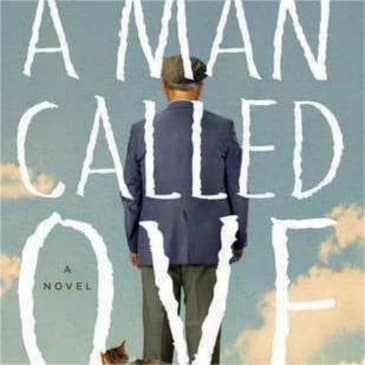
Chapter 2 Analysis of Main Characters and Plot"A Man Called Ove" by Fredrik Backman centers on Ove, a curmudgeonly yet endearing old man who appears to others as the quintessential grumpy neighbor. Key to Ove’s story are his strict principles and routines, but underneath his hard exterior is a deep sadness rooted in the loss of his beloved wife, Sonja.
As the story unfolds, several important characters enter Ove’s life and play crucial roles in thawing his frosty demeanor. These include:
- Parvaneh - a pregnant woman of Iranian descent who moves into the neighborhood with her family. Her persistent and caring nature slowly chips away at Ove's resistant exterior.
- Patrick and Parvaneh's children - Patrick, often clumsy and a target of Ove's initial irritation, becomes an unsuspecting companion. Their daughters, compassionate and curious, also help in softening Ove.
- Rune and Anita - Ove’s neighbors with whom he has a complex relationship filled with past camaraderie and present rivalry, mainly due to changes in Rune’s health and the community’s response.
- Jimmy - the overweight and friendly next-door neighbor who respects Ove and often participates in his misadventures.
- The Cat - an initially unwanted stray cat that Ove grudgingly adopts, which becomes a significant emotional anchor for him.
The main plot unfolds as Ove’s suicide attempts are comically interrupted by these neighbors, leading him to realize his role as an indispensable part of their community. His interactions with them reignite a sense of purpose and belonging in his life.
Through the community’s challenges and the foil provided by the bureaucratic "white shirts" (municipal officials), themes of love, loss, friendship, and the importance of community support are explored, showing Ove’s transformation from a bitter loner to a beloved, integral figure in his neighborhood.
Chapter 3 Theme Exploration and Analysis"A Man Called Ove" by Fredrik Backman, published in 2012, is a heartwarming narrative that delves into the life and transformations of Ove, a curmudgeonly old man who seems to thrive on routine and principles, yet ultimately is a story about love, grief, community, and redemption. Below are several key themes explored throughout the book:
- Grief and Loss:
Grief is a central theme of the story, with Ove’s life being shaped significantly by his experiences of loss. The death of his wife Sonja is a turning point in Ove's life, leading him to disconnect from the world around him. The novel explores how Ove handles his grief, initially through isolation and disdain towards others but gradually through acceptance and connection.
- Loneliness and Isolation:
Ove is depicted as a loner, someone who believes he can operate independently of others. His isolation is both self-imposed and due to the various losses he has endured. However, the novel challenges the idea that anyone can live truly independently. Through interactions with his neighbors, who refuse to allow him to remain detached, Ove’s loneliness is addressed, highlighting the importance of community and companionship.
- Change and Adaptation:
Throughout the novel, Ove resists change vehemently, whether it’s opposing new technology or disliking new neighbors who disrupt his routine. However, as the story progresses, he learns to adapt to the changes around him, reflecting the necessity of adaptation in life. The acceptance of his neighbors and adapting to new roles as a friend, father-figure, and community member show Ove's growth and the positive aspects of embracing change.
- The Importance of Community and Neighbourliness:
As much as Ove tries to resist involvement with his neighbors, their persistent intrusion into his life illustrates the value of community support. This theme celebrates collective effort and mutual assistance, portraying how a community acts as a network of interdependent individuals who enhance each other's lives. This is evident in how the neighbors rally around each other during crises.
- Suicide and the Will to Live:
Ove's repeated attempts to end his life are a grim reminder of the impacts of grief and depression. The novel sensitively handles the subject of suicide, presenting it with earnestness and care, while ultimately affirming life and the unforeseen joys that can intervene in moments of despair. The interruptions of his suicide attempts by mundane requests from neighbors (like taking someone to the hospital, teaching someone how to drive) act as symbolic disruptions, steering Ove back towards finding meaning in life.
- Love and Relationships:
The flashbacks to Ove’s relationship with Sonja provides a stark contrast to his curmudgeonly demeanor and offers poignant insights into his capacity for love and tenderness. Their relationship, marked by profound love and heartbreaking tragedy, significantly defines Ove’s character and actions. The theme examines how love can transcend death and continue to influence lives.
- Identity and Stereotypes:
Throughout the book, characters often perceive Ove through a stereotypical lens as just a grumpy old man. However, his layers are slowly revealed, challenging the initial labels placed on him. This theme invites readers to look beyond their first impressions and recognize the complex personalties that lie beneath surface stereotypes.
"A Man Called Ove" employs these themes to weave a tale that is both humorous and touching, revealing the transformative power of relationships and the human capacity to adapt and find purpose through connection.
Book https://www.bookey.app/book/a-man-called-ove
Quotes https://www.bookey.app/quote-book/a-man-called-ove
YouTube https://www.youtube.com/watch?v=rQGfwcpGp-0
Amazom https://www.amazon.com/Man-Called-Ove-Novel/dp/1476738025
Goodreads https://www.goodreads.com/book/show/18774964-a-man-called-ove?ref=nav_sb_ss_1_16
[00:00:00] The curmudgeonly charm of Ove A heartwarming tale of redemption Chapter 1 Summary of a Man Called Ove A man called ove tells the story of ove, a grumpy and socially awkward man who is grieving the loss
[00:00:13] of his wife Sonia. Ove is a stickler for rules and routines and is easily irritated by his neighbors and their antics. As the story progresses, we learn about ove's past and the tragedies he is faced, including the loss of his parents and his job. Despite his gruff exterior,
[00:00:30] ove forms unlikely friendships with his new neighbors, especially Parvana, a pregnant Iranian woman and her family. They break through ove's tough facade and help him come to terms with his grief and find a new sense of purpose. Through these relationships, ove learns to appreciate
[00:00:47] the value of community and love, and ultimately finds a sense of belonging and redemption. The novel is a heartwarming and humorous tale that explores themes of friendship, loss, and the importance of human connection. It showcases the power of empathy and kindness
[00:01:03] in overcoming loneliness and hardship. Chapter 2 The Meaning of a Man Called Ove A man called ove is a novel by Swedish author Fredrik Backman that tells the story of ove, a grumpy and solitary man whose life is transformed when new neighbors move in next door.
[00:01:20] Through a series of interactions with his new neighbors and others in his community, ove gradually learns to let go of his anger and bitterness and find joy and purpose in life once again. The novel explores themes of loneliness, loss, friendship, and the capacity for human
[00:01:36] connection to bring about change and redemption. Chapter 3 A Man Called Ove Chapters Chapter 1 A Man Called Ove The novel begins with an introduction to the protagonist. Ove, a grumpy and solitary old
[00:01:50] man who lives in a small housing estate. Ove's life is marked by routine and a strict adherence to rules and order. Chapter 2 A Man Called Ove buys a computer that is not a computer.
[00:02:02] Ove reluctantly enters the world of technology when he is forced to buy a computer by his incompetent boss. Ove struggles to understand the new technology, leading to comical misunderstandings and frustrations. Chapter 3 A Man Called Ove Is In A Queue
[00:02:19] Ove finds himself in a frustrating situation when he is stuck in a long queue at a store. His anger and impatience only serve to further alienate him from those around him. Chapter 4 A Man Called Ove Drills A Hole For A Hook
[00:02:34] Ove's routine is disrupted when a new couple, Patrick and Parvana, move in next door. Parvana's cheerful and determined personality clashes with Ove's grumpiness, but she refuses to be intimidated by him. Chapter 5 A Man Called Ove Buys a Sob
[00:02:50] Ove's attachment to his late wife, Sonia, is revealed as he reminisces about their life together. His love for her is evident in his devotion to keeping her memory alive. Chapter 6 A Man Called Ove And A Shed
[00:03:05] Ove's determination to build a shed in accordance with the Housing Association's rules becomes a source of conflict with his neighbors. Despite his gruff exterior, Ove's actions reveal a kind and compassionate nature. Chapter 7 A Man Called Ove And A Cat Annoyance
[00:03:21] Ove's interactions with a stray cat, whom he begrudgingly adopts, provide moments of humor and warmth in the novel. The cat's presence begins to soften Ove's heart, revealing a tender side to his character. Chapter 8 A Man Called Ove Makes a Promise
[00:03:38] As Ove's relationship with Patrick and Parvana deepens, he becomes more involved in their lives. Despite his initial reluctance, Ove finds himself forming unexpected bonds with his new neighbors. Chapter 9 A Man Called Ove On The Warpath Ove's past is slowly revealed as the novel delves into his difficult childhood
[00:03:58] and the loss of his beloved wife. These experiences have shaped Ove into the grumpy and solitary man he is today. Chapter 10 A Man Called Ove Gets a New Neighbor The arrival of a new neighbor, Mirsad, brings unexpected challenges for Ove.
[00:04:14] Mirsad struggles and vulnerabilities illicit Ove's compassion, prompting him to offer his support in a surprising display of empathy. Chapter 11 A Man Called Ove Tells His Wife He's Sorry. Ove's deep grief over his wife's death is laid bare as he laments his inability
[00:04:31] to properly express his love for her during her lifetime. Through his interactions with his neighbors, Ove begins to find solace and healing. Chapter 12 A Man Called Ove Buys a Suit Ove's determination to attend a friend's funeral in style leads to a series of misadventures
[00:04:48] as he navigates the challenges of formal wear and social interactions. Despite his usual grumpiness, Ove's actions demonstrate his loyalty and sense of duty. Chapter 13 A Man Called Ove and a Tatiana The novel explores Ove's relationship with
[00:05:05] his beloved sob car which holds sentimental value for him. Ove's attachment to the car reflects his deep-seated need for connection and stability in his life. Chapter 14 A Man Called Ove and a Delayed Train
[00:05:18] Ove's encounters with a young family who are in urgent need of assistance, test his patience and compassion. Despite his initial resistance, Ove finds himself drawn into their struggles and ultimately offers his support in a selfless act of kindness. Chapter 15 A Man Called Ove Decides to Go Out
[00:05:38] Ove's decision to venture outside of his comfort zone and engage with the world around him marks a significant turning point in the novel. As he confronts his past and embraces new experiences, Ove undergoes a profound transformation that brings him closer
[00:05:53] to his neighbors and himself. Overall, A Man Called Ove is a heartwarming and poignant tale of friendship, love, and redemption. Frederick Backman masterfully portrays the complexities of human emotions and relationships through the character of Ove whose journey of self-discovery resonates with readers long
[00:06:12] after the final pages turned. Chapter 4 10 Quotes From A Man Called Ove 1. Ove had never been much of a fan of sunsets. He enjoyed them best when they remained on the horizon, where they belonged instead of spreading all over the sky like spilled marmalade.
[00:06:29] 2. He was a man of never-ending principles and routine. Where he was from, order was always better than chaos. 3. There was something about her that made Ove understand more about himself than he wanted to know, because Ove was a bit like a house
[00:06:45] that hadn't been lived in very much lately. 4. A man called Ove wasn't much for talking, and he wasn't much for laughter. He was a man of few words and fewer smiles, but behind the gruff exterior was a man who believed in doing things right.
[00:07:01] 5. A man called Ove was a man of routines. He needed them to keep the chaos at bay. So every morning he got up at the same time, put on the same clothes, and made the same breakfast.
[00:07:13] 6. Ove had often been labeled as grumpy and curmudgeonly, but he was really just a man who cared deeply about the things that mattered to him. 7. Ove had always been a man of few friends,
[00:07:25] but the friends he had were the kind of friends who would stick around through thick and thin. 8. It was as if she had started planting, and he didn't know quite how to make her stop. That was the thing about women. They didn't listen to reason.
[00:07:39] 9. Ove had always liked driving. He liked the way it made him feel and control, like he was the captain of his own ship, steering it through the storms and the calm waters. 10. Sometimes I think we're all nursing some secret sadness, but Oves was particularly acute.