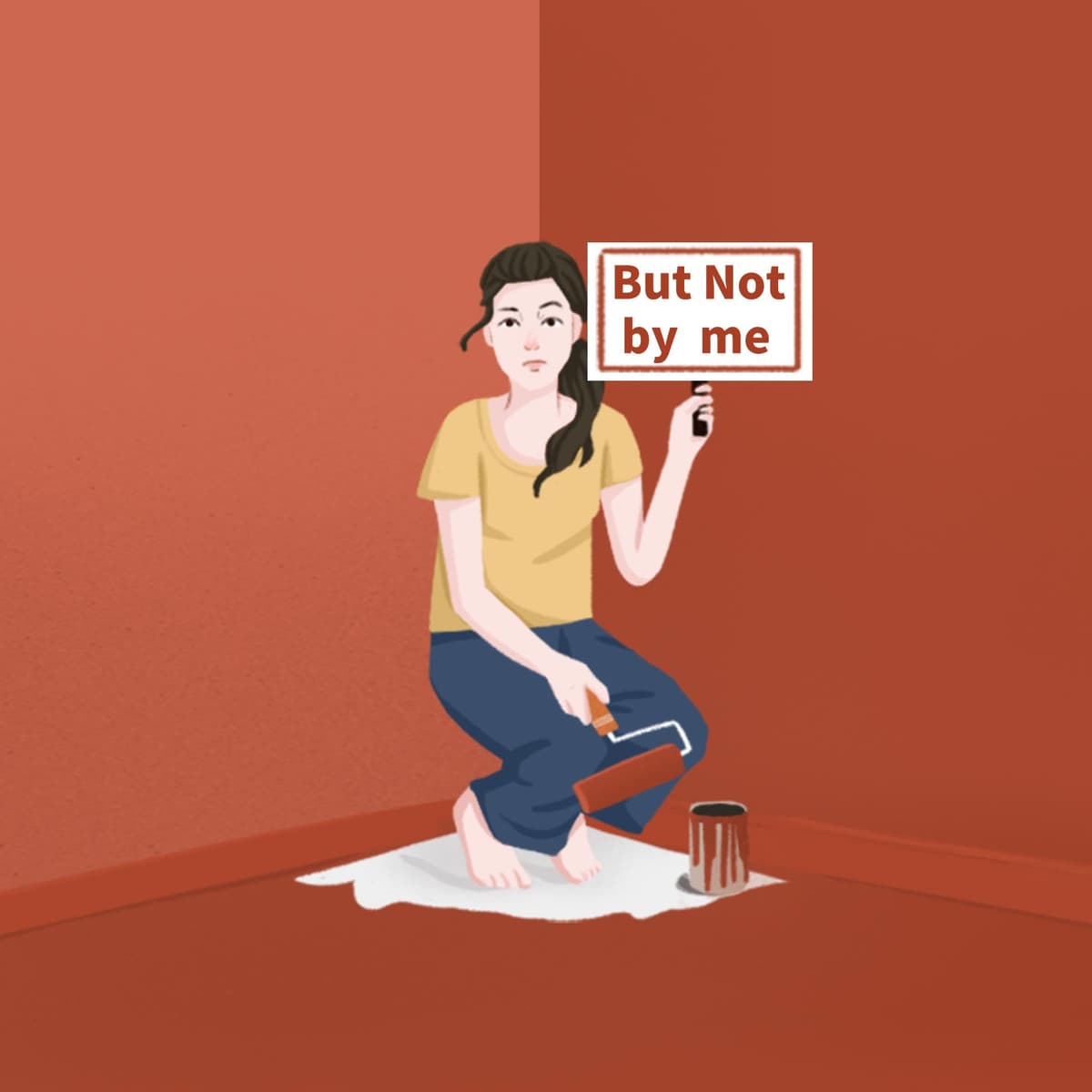
Chapter 1:Summary of Mistakes Were Made (but Not By Me) book
"Mistakes Were Made (But Not By Me)" is a book co-written by Carol Tavris and Elliot Aronson that explores the concept of cognitive dissonance and its role in justifying bad decisions and behaviors. Throughout the book, the authors present several real-life case studies from fields such as politics, criminal justice, and relationships to demonstrate how individuals often engage in self-deception to maintain their positive self-image and to avoid taking responsibility for their actions.
The book begins by explaining the concept of cognitive dissonance, which refers to the discomfort that arises when there is a discrepancy between our beliefs and our actions. The authors argue that people have a tendency to reduce this discomfort by selectively interpreting information, altering their memories, or blaming others. They describe how this cognitive process can lead to a vicious cycle of rationalization, where individuals become even more committed to their original belief or action, despite mounting evidence to the contrary.
Using examples from high-profile cases such as the wrongful conviction of innocent people, political scandals, and the destructive power of cults, Tavris and Aronson demonstrate how individuals continue to justify their actions, even when confronted with overwhelming evidence of their wrongdoings. They discuss the power dynamics involved in these situations, as well as the social and psychological mechanisms that enable individuals to maintain faith in their own righteousness.
In addition to individual cases, the book also explores larger societal issues such as the American criminal justice system and its resistance to admitting mistakes and rectifying wrongful convictions. The authors argue that society as a whole perpetuates cognitive dissonance by maintaining institutions that are resistant to self-correction.
Ultimately, "Mistakes Were Made (But Not By Me)" offers a fascinating exploration of the human capacity for self-deception and the consequences that arise from refusing to admit mistakes. The book encourages readers to reflect on their own behavior and biases, and to critically examine their own thought processes in order to break free from the cycle of cognitive dissonance.
Chapter 2:the meaning of Mistakes Were Made (but Not By Me) book
"Mistakes Were Made (but Not By Me)" is a book written by Carol Tavris and Elliot Aronson that explores the psychological phenomenon of cognitive dissonance and self-justification.
The phrase "Mistakes Were Made" is often used by individuals or authorities to acknowledge that errors were made without explicitly taking personal responsibility for those mistakes. It is a way of deflecting blame or minimizing one's own role in the wrongdoing.
In the book, Tavris and Aronson delve into various areas of life, including politics, relationships, and criminal justice, to examine how people tend to minimize their own culpability and justify their actions, even in the face of evidence that contradicts their beliefs. They explore the consequences of this cognitive dissonance, such as the persistence of unjust systems and conflicts that could have been resolved if individuals had taken responsibility for their mistakes.
The authors argue that understanding cognitive dissonance and self-justification is crucial for personal growth, conflict resolution, and creating more just and accountable societies. By examining case studies and drawing from psychological research, "Mistakes Were Made (but Not By Me)" offers insights into human behavior and the ways in which people deceive themselves to protect their self-image and beliefs.
Chapter 3:Mistakes Were Made (but Not By Me) book chapters
Chapter 1: The Self-Justifying Brain
In this chapter, the authors introduce the concept of cognitive dissonance, which refers to the discomfort we experience when our beliefs or actions contradict each other. They explain how our brains tend to justify our actions to resolve this dissonance, even if it means distorting or ignoring reality. The authors also discuss the importance of self-justification in maintaining a positive self-image.
Chapter 2: How We Create Our Own Realities
This chapter explores how self-justification can lead us to create our own realities and memories. The authors discuss several famous case studies, such as the false memories of sexual abuse in the 1980s and the wrongful convictions based on false eyewitness testimony. They explain how our brains can unintentionally fabricate memories in order to align with our self-justification.
Chapter 3: Broken Attitudes, Broken Promises
Here, the authors delve into the role of self-justification in maintaining broken attitudes and promises. They explain how people can hold conflicting attitudes and still feel morally righteous by using different justifications for their actions. The authors also discuss how self-justification can perpetuate harmful behaviors and prevent individuals from admitting their mistakes.
Chapter 4: Blame-It-On-My-Partner Syndrome
In this chapter, the authors explore the phenomenon of blaming others to protect our self-image. They discuss various situations where partners blame each other in relationships, often without objectively reviewing their contributions to the problems. The authors shed light on the cognitive biases that contribute to this blame game and the negative consequences it can have on relationships.
Chapter 5: The High Cost of Lost Opportunities
Here, the authors discuss how self-justification can lead individuals to miss out on valuable opportunities for growth and change. They highlight the example of organizations unwilling to adapt to new technologies due to their investment in outdated ones. The authors explain how self-justification hinders progress and prevents learning from mistakes.
Chapter 6: Creating Hellholes in Small Steps
This chapter focuses on the role of self-justification in ethical misconduct and cruelty. The authors explore the famous Stanford Prison Experiment and show how ordinary people can engage in extreme acts of cruelty when placed in certain situations. They also discuss the importance of creating systems and contexts that reduce the potential for abuse.
Chapter 7: Why Brain Scientists Seldom Say “Never”
In this chapter, the authors explain why scientific research on the brain is often met with skepticism and resistance. They discuss how scientists, despite their training and expertise, can fall victim to cognitive biases and self-justification. The authors stress the importance of humility and open-mindedness in scientific inquiry.
Chapter 8: Changing Your Mind
In the final chapter, the authors explore strategies for overcoming self-justification and embracing change. They discuss the importance of taking personal responsibility, being open to feedback, and recognizing the influence of cognitive biases. The authors suggest various approaches to help individuals and society become more accepting of mistakes and more willing to adapt and learn.
Chapter 4: Quotes of Mistakes Were Made (but Not By Me) book
- "When people cease believing that they can change, the temptation is strong to prove that they were right all along."
- "We justify our actions and decisions because we want to feel good about ourselves."
- "Mistakes become more justifiable as we invest more in them."
- "The less responsible we are for a decision, the easier it is to perceive that decision as the right one."
- "Accepting responsibility for our mistakes can be challenging, as it requires us to confront our own flaws and vulnerabilities."
- "The more invested we are in a particular belief or course of action, the more likely we are to distort reality to fit our preconceived notions."
- "The human mind has a remarkable ability to distort memories and information in order to protect our self-image and preserve our sense of worth."
- "We often engage in self-justification to maintain a positive self-image, even at the expense of honesty and accuracy."
- "The desire to maintain consistency within our own beliefs and actions can lead us to overlook or dismiss evidence that challenges our worldview."
- "Recognizing and acknowledging our mistakes can be a powerful catalyst for personal growth and change."