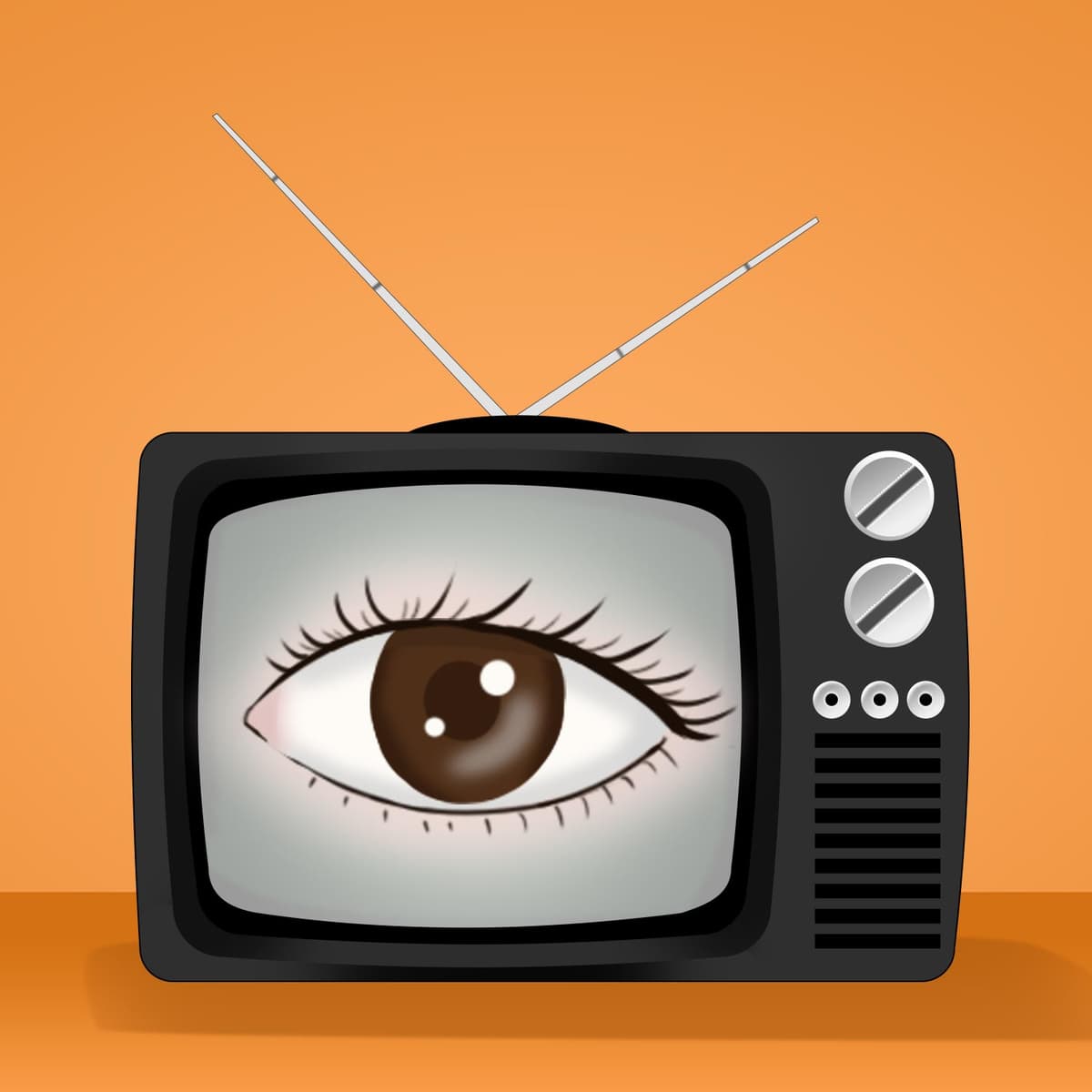
Chapter 1 What's Understanding Media
Understanding Media: The Extensions of Man is a seminal book written by Canadian media theorist Marshall McLuhan, first published in 1964. In this book, McLuhan argues that the medium through which information is transmitted has a profound impact on society and individuals. He coined the famous phrase "the medium is the message" to emphasize the importance of the medium itself in shaping our perception of reality.
McLuhan's central thesis is that different media technologies, such as print, radio, television, and the internet, have a transformative effect on how we think, communicate, and interact with the world. He also introduces the concept of the "global village," which refers to the idea that advancements in communication technologies have effectively shrunk the world and interconnected people from different parts of the globe.
Understanding Media remains a key text in the study of media theory and communication studies, and McLuhan's ideas continue to be influential in understanding the role of media in shaping society.
Chapter 2 Is Understanding Media recommended for reading?
"Understanding Media: The Extensions of Man" by Marshall McLuhan is considered a seminal work in the field of media studies and communication theory. It explores the ways in which media technology shapes and influences human communication and culture.
While some readers may find McLuhan's ideas complex and challenging to grasp, many consider the book to be a valuable and thought-provoking read. It has been highly influential in shaping contemporary understandings of media and communication in society.
Overall, "Understanding Media" is a good book for those interested in delving into the impact of media on human behavior and thought. However, it may require a careful and open-minded reading to fully appreciate McLuhan's theories.
Chapter 3 Understanding Media Summary
Understanding Media: The Extensions of Man is a pioneering work by Marshall McLuhan that explores how different forms of media influence and shape human societies and cultures. Published in 1964, the book presents the argument that different forms of media act as extensions of human senses and capabilities, drastically altering the way we perceive and interact with the world.
McLuhan introduces the concept of "the medium is the message," which suggests that the content of a particular medium is less important than the medium itself in shaping our understanding of the world. He argues that different forms of media, such as print, radio, and television, have distinct characteristics that influence how we think and communicate. For example, he suggests that print media encourage linear thinking and individualism, while television promotes a more visual and participatory mode of engagement.
McLuhan also discusses the idea of "global village," referring to the ways in which electronic media have collapsed traditional boundaries and created a sense of interconnectedness among people around the world. He argues that the speed and immediacy of electronic communication have blurred distinctions between individual and collective identities, leading to a more interconnected and interdependent global society.
Overall, Understanding Media is a groundbreaking work that challenges conventional thinking about the role of media in society and offers a provocative analysis of the ways in which media shape our understanding of the world. McLuhan's insights continue to be relevant in the digital age, as we grapple with the implications of increasingly complex and pervasive forms of media in our lives.
Chapter 4 Meet the Writer of Understanding Media
The author of the book "Understanding Media" is Marshall McLuhan. The book was first published in 1964.
Some of the other notable books written by Marshall McLuhan include:
- The Gutenberg Galaxy: The Making of Typographic Man (1962)
- The Medium is the Massage (1967)
- War and Peace in the Global Village (1968)
- Counterblast (1969)
Among these, "The Gutenberg Galaxy: The Making of Typographic Man" is considered one of McLuhan's best works in terms of editions and critical acclaim. It explores the impact of typography and print media on society and culture.
Chapter 5 Understanding Media Meaning & Theme
Understanding Media Meaning
Understanding Media by Marshall McLuhan is a book that explores the effects of media on society and culture. McLuhan introduces the concept of "the medium is the message," suggesting that the medium through which information is transmitted is just as important as the content of the message itself. He argues that different mediums (such as print, television, or the internet) shape how we perceive and interact with the world around us.
McLuhan also discusses how the development of new media technologies can lead to significant social and cultural shifts. He examines how changes in communication technology, such as the invention of the printing press or the rise of television, have transformed societies in profound ways.
Overall, Understanding Media encourages readers to critically examine the role of media in shaping our understanding of the world and to consider how we can navigate the challenges and opportunities presented by contemporary media environments. McLuhan's work remains influential in the fields of media studies, communication theory, and cultural studies.
Understanding Media Theme
The main theme discussed in Understanding Media by Marshall McLuhan is the idea that the medium through which content is transmitted shapes the way people perceive and understand that content. McLuhan famously stated, "The medium is the message," meaning that the medium itself has a profound impact on how the message is received and interpreted by the audience.
McLuhan argues that different forms of media, such as print, television, and the internet, have unique characteristics that influence the way information is communicated and understood. For example, he suggests that print media encourages linear, rational thought while television promotes a more sensory, immersive experience.
Additionally, McLuhan discusses the concept of "the global village," in which advancements in communication technology have made the world increasingly interconnected and interdependent. He predicts that as media technologies continue to evolve, boundaries between nations and cultures will become increasingly blurred.
Overall, Understanding Media explores how changes in media technology are reshaping society and transforming the ways in which individuals interact with each other and with the world around them. McLuhan's work continues to be relevant today as we grapple with the impact of digital media on our daily lives and the way we consume information.
Chapter 6 Various Alternate Resources
- The official website for Marshall McLuhan's work with information about Understanding Media and other publications: https://marshallmcluhan.com/
- Online articles and reviews about Understanding Media on platforms like Medium and Wordpress.
- Educational videos on YouTube discussing McLuhan's theories and concepts from Understanding Media.
- Podcast episodes that feature discussions and analysis of McLuhan's work, specifically Understanding Media.
- Academic databases such as JSTOR and Google Scholar for scholarly articles and papers on Understanding Media.
- Social media platforms like Twitter and Facebook where users share quotes and insights from Understanding Media.
- Online forums and discussion boards where individuals discuss McLuhan's ideas in Understanding Media.
- Ebooks and audiobooks available on platforms like Amazon Kindle and Audible for reading or listening to Understanding Media.
- Online courses or webinars offered by institutions or experts on Understanding Media and McLuhan's theories.
- Digital archives and libraries that contain electronic copies of Understanding Media for researchers and enthusiasts to access and study.
Chapter 7 Quotes of Understanding Media
Understanding Media quotes as follows:
- "The medium is the message."
- "We shape our tools and afterwards our tools shape us."
- "The electric light is pure information."
- "The classified balance of power of media definitions, the fragmentation of the media mosaic, is highly indicative of a specious lie."
- "All media work us over completely."
- "Our age of anxiety is, in great part, the result of trying to do today's job with yesterday's tools and yesterday's concepts."
- "The effects of technology do not occur at the level of opinions or concepts, but alter sense ratios or patterns of perception steadily and without any resistance."
- "When faced with a totally new situation, we tend always to attach ourselves to the objects, to the flavor of the most recent past. We look at the present through a rear-view mirror. We march backwards into the future."
- "Our conventional response to all media, namely that it is how they are used that counts, is the numb stance of the technological idiot."
- "Societies have always been shaped more by the nature of the media by which men communicate than by the content of the communication."
Chapter 8 Books with a Similar Theme as Understanding Media
- "Amusing Ourselves to Death" by Neil Postman - This book delves into the impact of television on our culture and the way it shapes our perception of the world.
- "The Medium is the Massage" by Marshall McLuhan - Another work by McLuhan, this book explores the ways in which different media forms affect our senses and consciousness.
- "Media Control: The Spectacular Achievements of Propaganda" by Noam Chomsky - Chomsky discusses the role of propaganda in shaping public opinion and controlling the media narrative.
- "Manufacturing Consent: The Political Economy of the Mass Media" by Edward S. Herman and Noam Chomsky - This book examines the ways in which mass media outlets are influenced by political and corporate interests.
- "The Shallows: What the Internet is Doing to Our Brains" by Nicholas Carr - Carr investigates the effects of constant internet use on our attention spans and cognitive abilities.