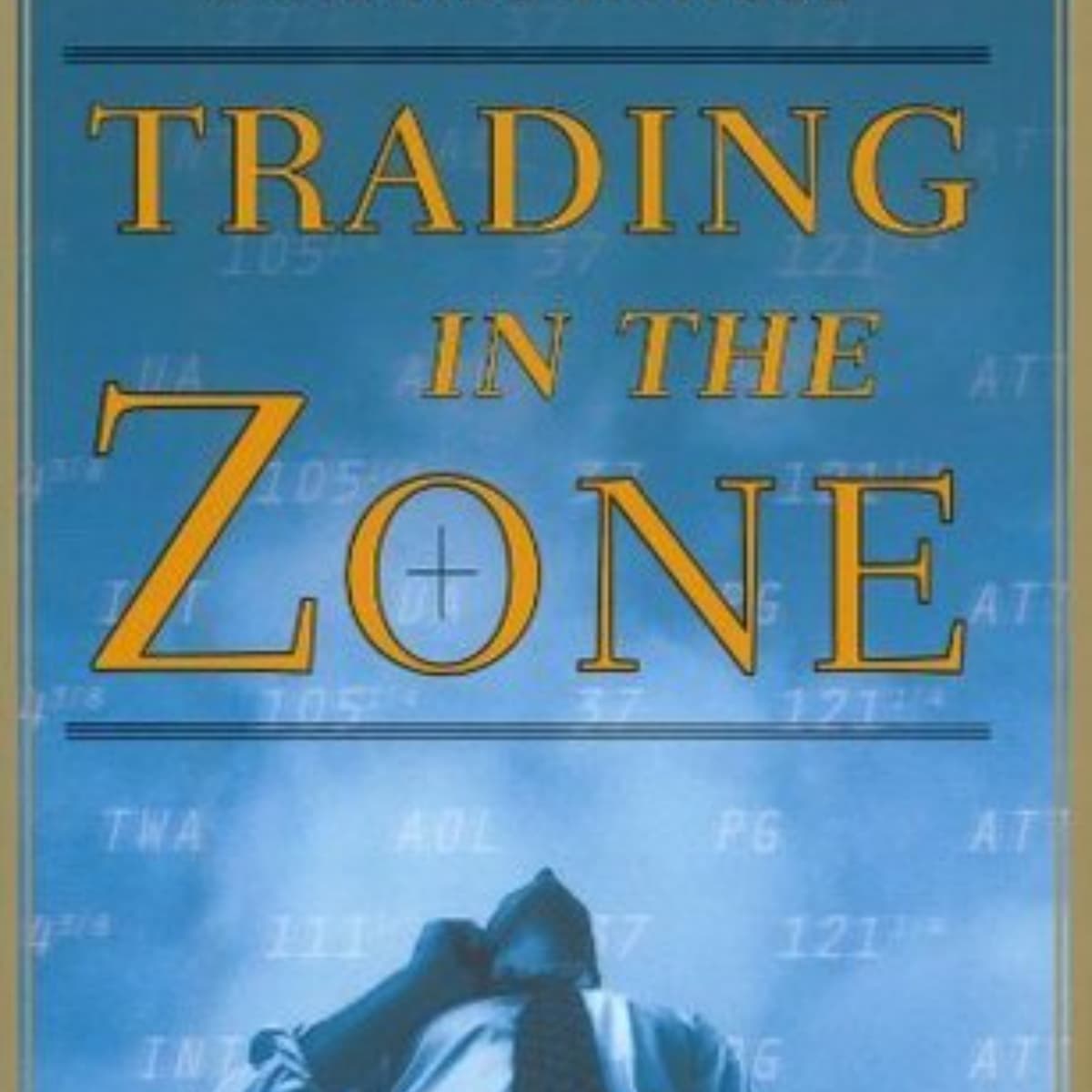
In the bustling world of trading, where fortunes can change in a heartbeat, Mark Douglas's "Trading In The Zone" illuminates a crucial truth: success hinges not only on strategy but on the mindset. Douglas weaves a narrative around the emotional rollercoaster traders face, emphasizing the importance of discipline and self-awareness. He introduces the idea that to thrive, one must develop a "trader's mindset," where fear and greed are tamed, allowing for rational decision-making free from the chaos of emotions. Through vivid examples and practical insights, Douglas shows that understanding market probabilities and embracing uncertainty can empower traders, transforming them into consistent performers. In this zone, intuition and analytical prowess unite, guiding traders to navigate the unpredictable seas of the market with confidence and clarity. Ultimately, "Trading In The Zone" serves as a beacon for those daring enough to engage with the dance of risk and reward.
Chapter 1: What Is Trading In The Zone
Trading In The Zone by Mark Douglas is a foundational text in the realm of trading psychology. It focuses on the mental aspects of trading, emphasizing the importance of mindset and emotional discipline.
1. Depth and Accuracy of Content
Douglas offers profound insights into the psychological factors that affect traders. He explains concepts like market uncertainty, probability, and the importance of having a consistent trading plan. The content is accurate and reflects a deep understanding of trading psychology.
2. Originality
While trading psychology is a recognized field, Douglas’s approach in Trading In The Zone is distinctive. He blends practical advice with an understanding of how emotions can significantly impact trading decisions, which sets his work apart from more technical trading guides.
3. Organization
The book is logically structured, with clear sections that build upon each other. Douglas effectively divides the content into manageable chapters that guide readers through his ideas progressively.
4. Readability
Douglas writes in a straightforward manner, making complex psychological concepts accessible to readers, regardless of their prior knowledge of trading psychology. His style is engaging and conversational.
5. Inspirational and Emotional Impact
The book can be quite inspirational, particularly for traders who struggle with emotional regulation. Douglas’s emphasis on mindset and discipline can resonate deeply, motivating readers to adopt a more positive and structured approach to trading.
6. Cultural and Social Impact
Trading In The Zone has had a significant impact on the trading community, contributing to a broader understanding of the emotional and psychological challenges traders face. It emphasizes the importance of mental health and emotional stability in financial success.
7. Attention to Detail
Douglas pays attention to the nuances of trading psychology, carefully explaining how fear, greed, and other emotions can distort decision-making. His insights reflect a deep consideration of the intricacies inherent in trading.
8. Theme and Message
The central theme revolves around the importance of psychological mastery in trading. Douglas advocates for developing a solid mental framework, which can lead to better decision-making and greater success in trading.
9. Critical Thinking
Douglas encourages critical thinking about one’s own beliefs and assumptions regarding trading. He challenges readers to reflect on their emotional responses and to cultivate a mindset oriented toward growth and learning.
10. References
While the book does not extensively reference other works or studies, Douglas draws on his extensive experience as a trader and instructor, offering anecdotal evidence and practical examples that validate his theories.
11. Creativity and Artistry
Though primarily focused on practical advice, Douglas’s writing contains elements of artistry in the way he conveys complex ideas simply and engagingly. His use of metaphors and real-life examples adds a creative touch.
In summary, Trading In The Zone by Mark Douglas is a highly regarded book in the trading community, praised for its depth, readability, and the inspirational nature of its content. It effectively addresses the psychological challenges traders face, making it a valuable resource for anyone looking to improve their trading performance through mental discipline.

Chapter 2: Trading In The Zone chapters
"Trading in the Zone" by Mark Douglas is a highly regarded book that focuses on the psychological aspects of trading. Here’s a brief summary of the key concepts and chapters:
Chapter Summaries:
1. The Road to Success: Fundamental Skills
- Emphasizes the importance of understanding one's own beliefs and mental state as a trader. Success in trading is not about having the right strategies but developing the right mindset.
2. The Nature of Trading
- Discusses what trading truly involves, including the unpredictable nature of the market. It highlights that traders must embrace uncertainty and develop self-discipline.
3. The Trader's Mindset
- Focuses on the psychological elements of trading. Douglas discusses the impact of emotions on trading decisions and stresses the need for a disciplined mental approach.
4. Your Thoughts Create Your Reality
- Explains how traders’ beliefs and perceptions can influence their trading performance. It encourages readers to replace limiting beliefs with empowering ones.
5. The Market: A Dynamic Environment
- Describes the market as a constantly changing space and suggests that successful traders adapt to these changes rather than try to predict them.
6. Consistency: The Key to Long-Term Success
- Details the importance of developing a consistent approach to trading and how discipline and a strong psychological framework contribute to consistency.
7. Risk and Reward
- Highlights the balance of risk and reward in trading, including how traders should approach risk management and the emotional implications tied to losses and gains.
8. The Dangers of Overtrading
- Explores the concept of overtrading and the psychological reasons behind it. Douglas warns against letting emotional highs and lows dictate trading behavior.
9. The Importance of a Trading Plan
- Advocates for the creation of a structured trading plan. A well-defined plan helps in maintaining discipline and consistency amidst market fluctuations.
10. Developing Your Own Trading Psychology
- Encourages readers to work on their own trading psychology by recognizing their thought patterns and making conscious changes to improve their trading performance.
Conclusion:
Mark Douglas emphasizes that successful trading is rooted in a solid psychological foundation. By understanding and mastering one’s own mindset, traders can navigate the complexities of the market more effectively. The book promotes the idea that mental discipline, understanding one’s emotions, and adherence to a well-structured trading plan are crucial for achieving long-term success in trading.
Key Themes:
- Psychological aspects of trading
- The significance of mindset and discipline
- Risk management and consistency
- The importance of a personal trading plan
Overall, "Trading in the Zone" offers valuable insights into the mental game of trading, stressing that mastery over one’s thoughts and feelings is essential for success in the financial markets.
Title: The Seamless Dance of Traders and the Marketplace
---
On a sun-drenched afternoon in a bustling city, a small coffee shop buzzed with the energy of ambition. Among the patrons was Jacob, a young aspiring trader, clutching his copy of Trading in the Zone by Mark Douglas. As he meticulously sipped his espresso, he found himself ensnared by the book’s compelling narrative, peering into the art and psychology of trading.
The pages leaped to life as Douglas unpacked the intricacies of the trader’s mind. Jacob leaned in, mesmerized by the concept of trading psychology. A world, Douglas explained, governed not just by charts and numbers, but by the emotional currents that flow beneath them. Jacob learned that every trader experiences a unique dance with their own fears and desires, a tango that shapes their decisions.
“Imagine you’re on a stage,” Douglas wrote, a subtle smile creeping onto Jacob’s lips. “The market is the audience, and every trade is a step in your performance.” Here, in the heart of this metaphor, Jacob discovered the essence of discipline, patience, and the unwavering focus required to excel in trading. Just like a dancer rehearses countless hours to perfect their form, traders, he realized, must cultivate their psychological resilience and develop a proactive mindset.
As Jacob delved deeper, he stumbled upon the cornerstone of Douglas’s philosophy: acceptance. It was a concept that sent ripples of understanding through him. Trading, Jacob learned, is not solely about wins and losses, but about accepting the inherent uncertainty of the market. “We cannot control the outcome of our trades,” Douglas articulated with poetic clarity, “but we can control our response to them.” This profound acceptance freed Jacob from the shackles of overthinking and second-guessing, allowing him to dance gracefully with the unpredictable rhythm of the market.
Encouraged, he envisioned himself trading not as a solitary warrior in a financial battlefield, but as part of a grand, collective performance. Each trader, in their own way, contributes to the larger narrative of the marketplace, their emotions interwoven into the unfolding story of supply and demand. Jacob’s excitement grew with each turn of the page as he explored strategies that transcended mere risk management. He was beginning to see trading as a mindful practice—a dance of awareness, intuition, and learned responses.
With the light fading outside, Jacob came to a powerful realization: the successful trader frames losses not as failures, but as opportunities for growth. Stepping back, he recognized moments of misjudgment or moments where he had succumbed to fear—the same vices that cloud even the most seasoned performers. The hallmark of a true trader, Douglas suggested, is the ability to understand and embrace these missteps, transforming emotional responses into teachable moments.
As he closed the book, Jacob felt a newfound sense of empowerment. Trading in the Zone wasn’t just a manual for making money; it was a detailed map leading to self-discovery and mastery over one’s own mind. He had danced with the dragons of his own doubts and emerged with wisdom that extended far beyond trading—lessons applicable to challenges in life itself.
That day, as Jacob left the coffee shop, he breathed in the bustling sights and sounds of the city. He understood that the marketplace was not just a series of transactions; it was a dynamic ecosystem where every individual’s psychological state influenced the collective pulse. Inspired, Jacob stepped into the world ready to embrace its challenges, knowing that the true zone was not just about mastering trades, but mastering oneself.
---
In the end, Trading in the Zone teaches us that trading isn't simply a game of numbers. It's about understanding the dance between market forces and your own psyche, encouraging every trader to find their rhythm and, ultimately, their success.

Book https://www.bookey.app/book/trading-in-the-zone
Quotes https://www.bookey.app/book/trading-in-the-zone/quote
Youtube https://www.youtube.com/watch?v=HM6Oee5Zl2w
Amazon https://www.amazon.sg/Trading-Zone-Confidence-Discipline-Attitude/dp/0735201447
Goodreads https://www.goodreads.com/book/show/253516.Trading_in_the_Zone