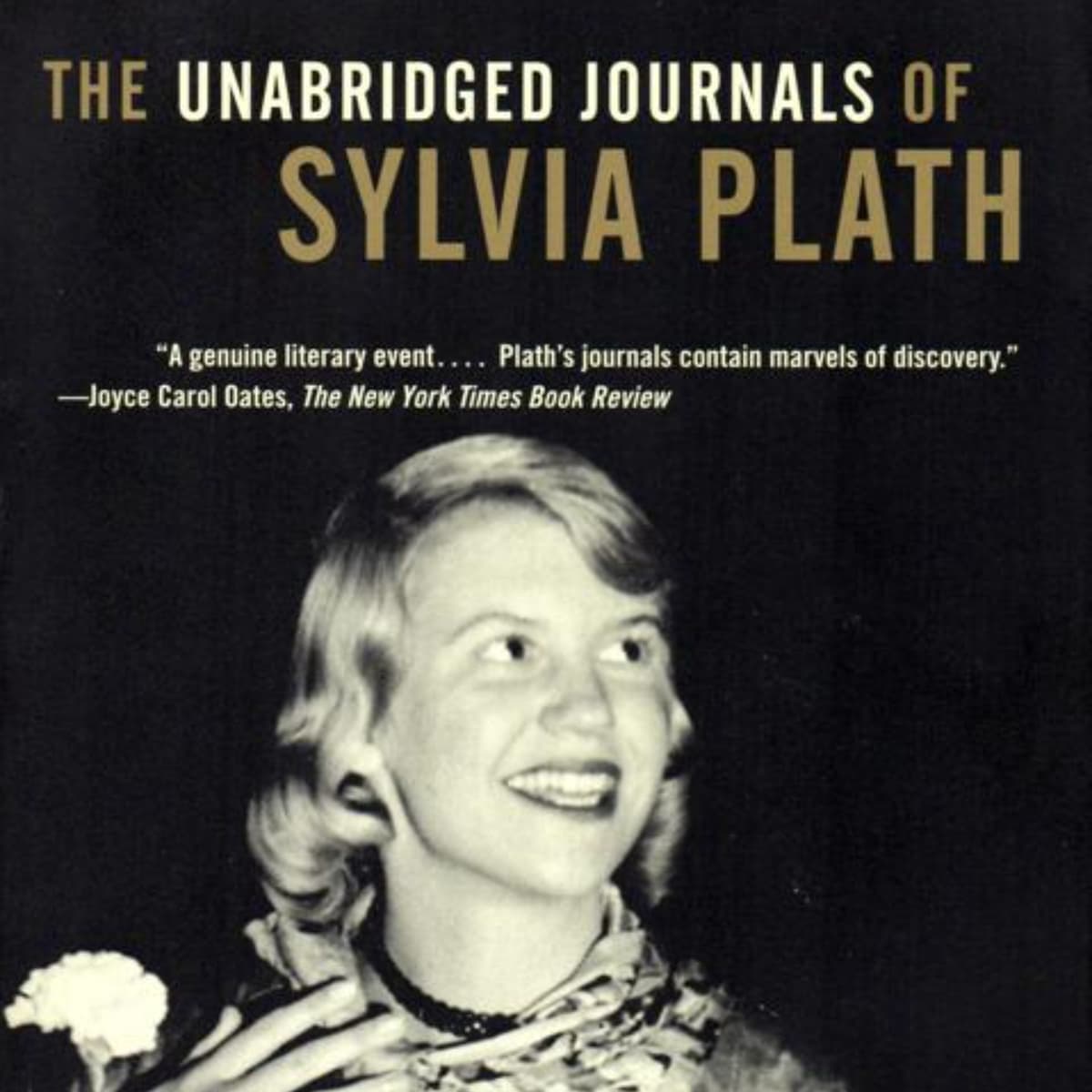
In the haunting corridors of Sylvia Plath's mind, "The Unabridged Journals" serve as a window into her profound struggles and soaring creativity. As ink spills across the pages, readers journey through her intricate thoughts, documenting the visceral experience of anguish, love, and ambition. Plath captures the stark beauty of existence, juxtaposing her brilliance with the shadows of despair that loom over her.
Themes of identity and mental health resonate deeply, revealing how the societal pressures of her time intertwined with her personal battles. Through each entry, Plath's poetic language unfurls, illuminating her desire for authenticity amid overwhelming expectations. Readers witness the evolution of a literary titan, whose intimate reflections invite a deeper understanding of the complexities of the human experience. Ultimately, her journals stand as an echo of resilience and vulnerability, urging us to embrace our own narratives with honesty and courage.
Chapter 1:What Is The Unabridged Journals Of Sylvia Plath
The Unabridged Journals of Sylvia Plath is a collection of the private writings of the poet and novelist Sylvia Plath, covering her thoughts, experiences, and creative processes from 1940 until her death in 1963. This compilation reveals her inner struggles, artistic journey, and reflections on domesticity, identity, and mental health.
Evaluation Based on the Given Points:
1. Depth and Accuracy of Content :
The journals provide an introspective look into Plath's mind, revealing the depth of her emotional experiences and thoughts. They are authentic and unfiltered, offering a faithful representation of her struggles with identity, feminism, and mental illness.
2. Originality :
Plath's journals are unique in the way they capture the complexity of her life as both a woman and an artist in the mid-20th century. Her voice is distinctly raw and personal, providing insights that are both intimate and universal.
3. Organization :
The journals are compiled chronologically, which helps readers trace the evolution of Plath's thoughts and experiences over time. However, given that they are personal writings, they may lack a conventional structure that is often found in published works.
4. Readability :
Plath's prose is highly poetic and articulate, making her thoughts accessible even during moments of tumult. While some entries might be challenging due to their emotional weight, they generally flow well and keep the reader engaged.
5. Inspirational Emotional Impact :
The journals are deeply moving and resonate with readers who can relate to themes of struggle and creativity. Plath's candid reflections on her life and artistry inspire many to confront their own challenges.
6. Cultural and Social Impact :
Plath's writings reflect the societal norms and expectations of women during her time, making them culturally significant. The journals highlight issues of mental health, gender roles, and the pursuit of artistic identity, impacting feminist literary discourse.
7. Attention to Detail :
Plath's meticulous attention to detail in her observations and descriptions enriches the text. She captures the intricacies of her emotions, relationships, and the world around her with precision.
8. Theme and Message :
Major themes include identity, mental health, feminism, and the duality of existence. Plath's exploration of the tension between societal expectations and personal fulfillment conveys powerful messages about the human experience.
9. Critical Thinking :
Plath's reflections often indicate a level of introspection and self-examination that prompts readers to engage in critical thinking about their own lives, societal roles, and the nature of creativity.
10. References :
While the journals are not academic in nature, they do reference literary influences and personal relationships that contributed to Plath's development as an author. They provide context for her poetry and prose.
11. Creativity and Artistry :
The journals exemplify Plath's artistic style, blending poetic language with raw emotion. Her unique way of expressing thoughts showcases her creativity and establishes a compelling narrative of her life.
Overall, The Unabridged Journals of Sylvia Plath is a powerful and significant work that offers profound insights into the mind of one of the 20th century's most influential writers. Its emotional depth and literary quality continue to resonate with readers today.

Chapter 2:The Unabridged Journals Of Sylvia Plath chapters
"The Unabridged Journals of Sylvia Plath" is a compilation of the diaries of poet and writer Sylvia Plath, covering her thoughts, experiences, and struggles from her youth to her tragic death in 1963. The journals are not structured in traditional chapters but rather form a continuous narrative, with entries spanning several years. Here’s a general overview of some key themes and periods reflected in her journals:
Early Years and Education
Youth and Ambitions : Plath writes about her early ambitions as a writer, her academic achievements, and her complicated relationship with her family, particularly her father, who passed away when she was young.
College Life : Her experiences at Smith College, including the pressures she faced and her literary development. She also touches on her mental health struggles during this time.
Relationships and Marriage
Love and Romance : Plath documents her relationships with various men, ultimately leading to her marriage with Ted Hughes. Her reflections on love are often intertwined with themes of longing and fear.
Marriage Challenges : She explores the complexities of her marriage, often coping with feelings of inadequacy, jealousy, and the difficulties of balancing personal ambitions with domestic life.
Career and Literary Aspirations
Writing Struggles : Plath discusses her writing process, her aspirations as a poet, and the barriers she faces as a female writer in a male dominated literary world.
Publication and Recognition : As her work begins to gain recognition, she experiences both joy and anxiety about public perception and her artistic identity.
Mental Health and Crisis
Struggles with Depression : The journals candidly detail her ongoing battles with depression, suicidal thoughts, and the impact of these feelings on her personal and professional life.
Therapy and Recovery Attempts : Plath writes about her experiences with therapy and hospitalization, revealing her attempts to understand and cope with her mental illness.
Themes of Identity and Feminism
Personal Identity : Throughout her journals, Plath grapples with her sense of self, her roles as a wife, mother, and writer, and societal expectations of women.
Feminist Reflections : Plath's work highlights issues related to gender, the complexities of female creativity, and the societal pressures women face.
Final Years and Despair
Intensifying Alienation : In the later entries, Plath's sense of despair becomes more pronounced, reflecting her struggles with her marriage, her career, and her mental health.
Literary Achievements : Despite her inner turmoil, she continues to write and publish significant work, including poetry that would later garner critical acclaim posthumously.
Conclusion
Final Months : The entries toward the end of her life reflect her deepening despair, struggles with motherhood, and artistic ambitions, culminating in her tragic death in February 1963.
Sylvia Plath's journals are a powerful testament to her creativity, intellect, and the struggles she faced throughout her life. They offer insight into her psyche and provide a vivid picture of the emotional and artistic landscape of a significant literary figure.
Whispers of the Moon: Discovering the Themes in Sylvia Plath's Unabridged Journals
In a quiet corner of the library, where the dust motes danced lazily in the golden beams of sunlight, I stumbled upon a book that promised to unlock the door to a hauntingly beautiful mind. The Unabridged Journals of Sylvia Plath lay before me, its cover a worn testament to the many souls who had sought refuge within its pages. Little did I know that I was about to embark on a journey not just into Plath’s life, but into the universal themes of identity, mental health, and the relentless search for meaning.
As I opened the cover, a palpable silence enveloped me. Each page seemed to whisper secrets, conveying Plath's struggles and triumphs, her baking anxieties and soaring aspirations. It felt as though I was getting a glimpse into the mind of a tempestuous storm, where the skies alternated between brilliant blue and ominous gray with startling rapidity.
The Pursuit of Identity
It became clear that one of the foremost themes echoed in Plath's journals was the struggle for identity. Like a traveler lost in a vast wilderness, Plath penned her quest to understand herself amidst the cacophony of societal expectations. The pressures to conform to the roles of wife, mother, and poet weighed heavily on her soul. In one entry, she wrote, “I wanted to be a girl who had learned how to smile through the chaos.”
Her words resonated with the timeless question many of us face: Who are we when the world expects us to be someone else? Through her candid reflections, we learn that the journey to self-acceptance is often fraught with doubt and turbulence but ultimately leads to profound personal discovery. Plath invites us to embrace our complexities, reminding us that our identities are molded from myriad influences and our own inner battles.
A Mosaic of Mental Health
As I read deeper into the journals, another theme emerged—the candid exploration of mental health. Plath’s struggle with depression, though deeply personal, has a universal echo that resonates with countless others. She does not shy away from the shadowy corners of her psyche, instead painting a vivid picture of her battles with despair. “I am trying to make sense of a senseless world,” she wrote one gloomy evening, her despair palpable within the ink.
Through the lens of her raw experiences, Plath provides not only a chronicle of her own suffering but also a voice for those who feel alone in their struggles. She illustrates the complexities of mental illness: the sudden ebbs of hope followed by overpowering tides of despair. It serves as a poignant reminder that mental health is a tapestry woven from both light and dark threads, a narrative to which we can all relate in some form.
The Search for Meaning
Finally, Plath’s journey unfolds as a desperate quest for meaning in a world that often feels absurd and indifferent. Her writing captures the essence of existential questioning—what does it mean to live, to create, to love in a world that feels so transient? She wrestles with her roles as a poet and a woman, exploring the intersection of creativity and existence, art and life.
In one particularly striking entry, she reflects on a moment of clarity while gazing at the moon. “The moon understands what it means to be human. It waxes and wanes, reflecting both beauty and sorrow.” These words echoed in my mind long after I closed the book, a gentle reminder that the search for meaning is a quest that transcends time and space. Plath’s inquiries become our own, nudging us to question the very fabric of our experiences and to seek beauty in the transient.
As I closed the cover of The Unabridged Journals of Sylvia Plath , I felt an overwhelming sense of gratitude and connection. Plath's reflections, both intimate and universal, illuminated the struggles of identity, mental health, and the quest for meaning—an exploration that is as relevant today as it was in her time.
In the hushed corners of that library, amid the whispers of the past, I realized that Sylvia Plath had not just carved out her own narrative; she had woven a tapestry that invites us all to share our stories. And perhaps, through sharing, we can illuminate the hidden corners of our own lives, creating a collective understanding that honors our complexity and resilience. Thus, in the echoes of her words, we find solace—and a much-needed reminder that we are never truly alone in our journeys.

Book https://www.bookey.app/book/the-unabridged-journals-of-sylvia-plath
Author https://www.bookey.app/quote-author/sylvia-plath
Quotes https://www.bookey.app/quote-book/the-unabridged-journals-of-sylvia-plath
YouTuBe https://www.youtube.com/watch?v=cdUQQUlJNM4
Amazon https://www.amazon.com/Unabridged-Journals-Sylvia-Plath/dp/0385720254
Goodreads https://www.goodreads.com/book/show/11623.The_Unabridged_Journals_of_Sylvia_Plath