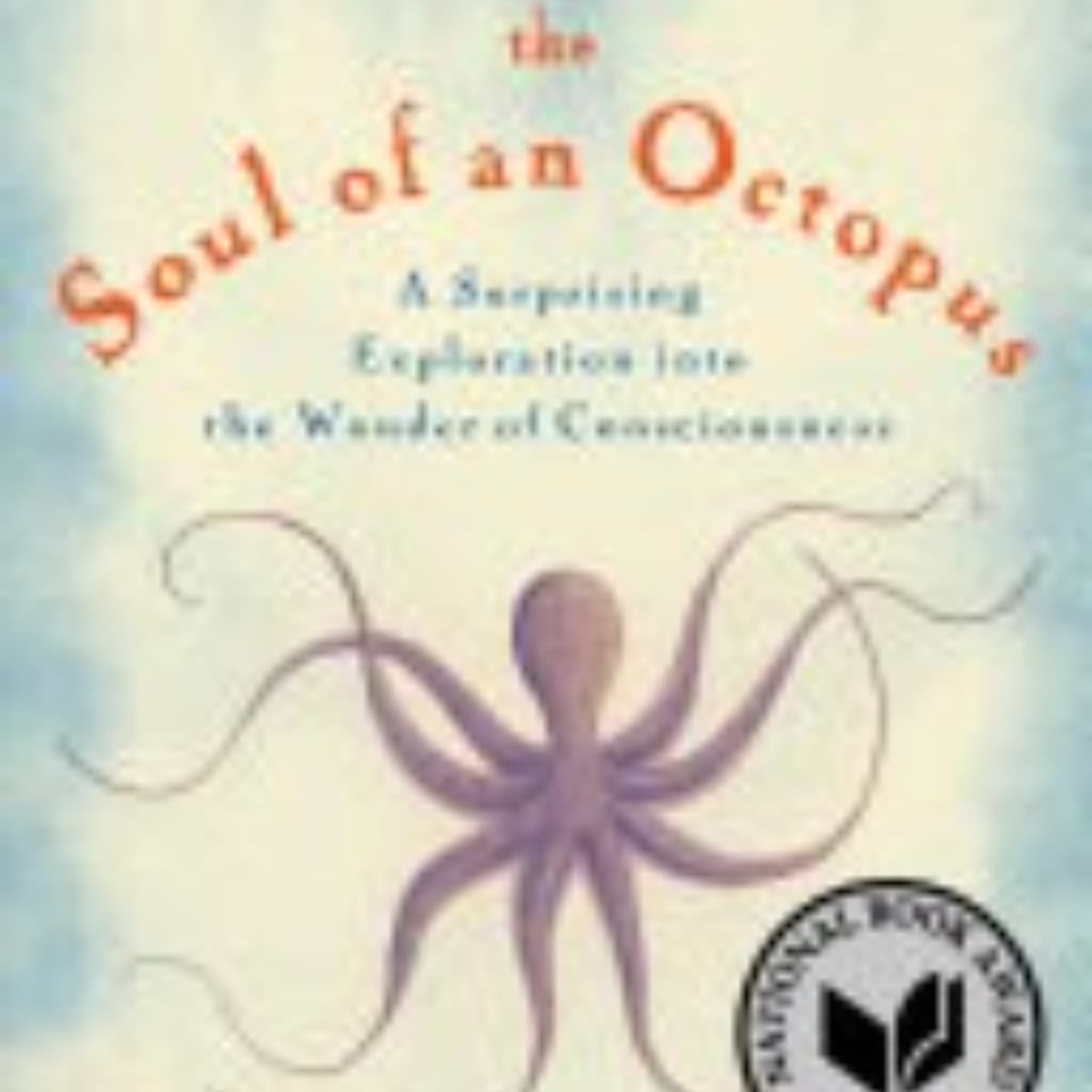
In "The Soul of an Octopus," Sy Montgomery invites us into a mesmerizing underwater world, where intelligence and emotion flourish in unexpected forms. Through her encounters with the enigmatic octopus—creatures of vibrant colors and intense curiosity—Montgomery unveils their surprising personalities, revealing them as more than mere sea dwellers. Each chapter dives deeper into their lives, exploring themes of connection, consciousness, and the profound bond between human and animal. She narrates her experiences at the New England Aquarium, where the octopuses showcase their problem-solving skills and complex emotions, challenging our understanding of sentience. Montgomery’s poetic prose encourages readers to reconsider the depth of life beneath the waves, awakening a sense of wonder and empathy that transcends species. Ultimately, "The Soul of an Octopus" isn't just a tale of marine life; it's a profound exploration of what it means to be alive and interconnected in this vast, mysterious universe.
Chapter 1:What Is The Soul of an Octopus
"The Soul of an Octopus" by Sy Montgomery: A Brief Evaluation
1. Depth and Accuracy of Content: Montgomery presents a thorough exploration of octopus behavior, cognition, and emotional capacity, drawing on scientific research and her own personal experiences at the New England Aquarium. The content is well-researched and accurate, providing deep insights into the lives of these fascinating creatures.
2. Originality: The book is original in its approach, blending narrative nonfiction with personal anecdotes and scientific exploration. Montgomery's perspective as both a researcher and a storyteller offers a fresh take on marine life, particularly octopuses, which are often misunderstood.
3. Organization: The book is well-organized, with each chapter focusing on different aspects of octopus life, such as their intelligence, relationships, and environmental challenges. This thematic structure helps guide readers through complex information in an accessible manner.
4. Readability: Montgomery's writing is engaging and accessible, making complex scientific ideas understandable to a broad audience. Her narrative style is inviting, encouraging readers to reflect on the emotional and intellectual lives of octopuses.
5. Inspirational Emotional Impact: The book evokes empathy for octopuses and highlights their individuality, intelligence, and capacity for emotion. Montgomery encourages readers to reconsider their perceptions of marine life, fostering a sense of wonder and respect for these creatures.
6. Cultural and Social Impact: The book contributes to a growing awareness of marine conservation and the plight of ocean ecosystems. It invites readers to explore ethical considerations regarding animal intelligence and the interconnectedness of life.
7. Attention to Detail: Montgomery exhibits a keen eye for detail, whether describing the physical features and behaviors of octopuses or the intricate relationships within the aquarium. This attention enhances the reader's understanding and appreciation of the species.
8. Theme and Message: The central theme revolves around the intelligence and emotional depth of octopuses, challenging traditional views of animal cognition. The book emphasizes the importance of empathy towards all living beings and encourages ethical stewardship of the environment.
9. Critical Thinking: Montgomery prompts readers to engage critically with the material, considering not only the scientific facts about octopuses but also the philosophical implications of their intelligence and the ethics of human-animal interactions.
10. References: The book includes credible references to scientific studies and interviews that bolster its claims, lending authority and depth to the narrative.
11. Creativity and Artistry: Montgomery's narrative combines poetic language with vivid imagery, capturing the beauty and complexity of octopuses. Her creative storytelling makes the science engaging and relatable, allowing for a deeper emotional connection with the subject matter.
In summary, "The Soul of an Octopus" is a compelling, well-researched, and beautifully written exploration of octopus intelligence and emotion that successfully captivates and educates readers while advocating for greater awareness and appreciation of marine life.
Chapter 2:The Soul of an Octopus chapters
"The Soul of an Octopus: A Journey Into the Heart of Animal Relationships" by Sy Montgomery explores the complex and fascinating lives of octopuses, delving into their intelligence, behavior, and emotional depth. Here is a chapter summary of the book:
Chapter 1: Encounter
The author begins her journey at the New England Aquarium, where she meets an octopus named Athena. Montgomery describes the initial interactions and her fascination with Athena's unique personality, emphasizing the connection between humans and animals.
Chapter 2: The Life of an Octopus
This chapter explores the biology and life cycle of octopuses. Montgomery discusses their incredible capabilities—camouflage, problem-solving, and dexterity—and how these attributes affect their interactions with both their environment and humans.
Chapter 3: Deep Connections
Montgomery reflects on the emotional and intellectual connections she forms with Athena and other octopuses at the aquarium. She introduces the idea that octopuses can exhibit behaviors that suggest complex emotions and individual personalities, challenging traditional beliefs about animal cognition.
Chapter 4: Life in the Aquarium
The author provides insights into the care of octopuses in captivity, including their habitat, diet, and behavioral needs. She describes the challenges and rewards of studying these creatures in a controlled environment.
Chapter 5: Octopus Intelligence
Montgomery dives deeper into the cognitive abilities of octopuses, sharing anecdotes of their problem-solving skills and playful behaviors. She illustrates their capacity for learning and adaptation through various experiments and interactions.
Chapter 6: Love and Loss
This chapter addresses themes of grief and loss as Montgomery reflects on the lifecycle of octopuses and the bonds formed with them. She discusses the transient nature of their relationships and the impact of losing these remarkable creatures.
Chapter 7: Exploring the Wild
The author recounts her experiences observing octopuses in their natural habitat. She highlights the stark differences between captive and wild octopuses, emphasizing the importance of understanding them within the context of their environment.
Chapter 8: The Search for the Soul
Montgomery contemplates the philosophical question of what it means to have a soul. Drawing parallels between human and octopus experiences, she explores the deeper connections that exist in the animal kingdom and the lessons we can learn.
Chapter 9: A New Perspective
As the book nears its conclusion, Montgomery reflects on her journey and how her understanding of octopuses and other animals has evolved. She challenges readers to reconsider their views on intelligence, emotions, and the relationships we share with non-human beings.
Chapter 10: Legacy
In the final chapter, Montgomery summarizes her insights and the lasting impact of her experiences with octopuses. She underscores the importance of conservation and the need to protect these incredible animals and their ecosystems.
Throughout "The Soul of an Octopus," Sy Montgomery weaves together scientific research, personal stories, and philosophical musings, urging readers to appreciate the complexity of ocean life and the connections we share with all living beings.
Title: The Empathy of Tentacles: Discovering Connection Through The Soul of an Octopus
In a dimly lit aquarium, where flickering fluorescent lights cast a soft glow on the water's surface, a curious soul drifted among the murky shadows. Her name was Octavia, a clever octopus with shimmering azure skin and large, expressive eyes that seemed to hold the secrets of the deep. As visitors pressed their noses against the glass, they marveled at her graceful movements, oblivious to the intricate world unfolding beneath the waves.
This world, as described in Sy Montgomery's illuminating book, The Soul of an Octopus, is a tapestry woven with threads of intelligence, empathy, and connection—a realm that challenges the preconceived notions of what it means to be conscious and aware. The story begins not just with an exploration of an octopus's biology, but also as a memoir of Montgomery's very own journey into understanding these enigmatic creatures.
Octavia wasn’t just another creature in an expansive ocean; she had a personality that radiated curiosity and playfulness. When Montgomery first encountered her in a New England aquarium, an odd sense of kinship blinked into existence. Octavia, with her skillful manipulation of her environment and her uncanny ability to change colors, invited a deeper inquiry into her world: what does it mean to be an intelligent being with its own emotional life?
As Montgomery spends more time observing and interacting with Octavia, the narrative unfolds into a profound exploration of connection—not just between humans and octopuses, but also among all living beings. Each tentacle, Montgomery reveals, is not just a limb; it is a tool for communication and expression. Through keen observations, she reveals that octopuses are not merely solitary creatures, as one might expect, but rather beings capable of forming intricate relationships—not only with each other but with the humans who seek to understand them.
One particularly breathtaking episode in the book recounts how Octavia displays her emotions through color changes—blushing when excited or darkening when threatened. Montgomery captures the essence of this communication style, drawing parallels to human emotions. Just as we express joy, fear, or sadness, so too does Octavia convey her feelings, painting the water around her vivid shades of blue, red, and white. In these moments, readers are drawn into a rich dialogue about empathy—how two vastly different species can bridge the gap through shared experience and understanding.
Montgomery delves deeper, exploring the idea of the 'soul' in the fluid, ever-changing body of an octopus. This extends beyond mere biology into philosophical realms, inviting readers to ponder the nature of consciousness itself. Can an octopus, with its eight armfuls of intelligence and fluid dexterity, possess a soul akin to ours? How does isolation and companionship shape our experiences and feelings about the world?
As the narrative weaves through the trials and tribulations of marine life, Montgomery offers poignant observations about the fragility of existence. From the environmental threats facing octopuses to the delicate balance of ocean ecosystems, she urges readers to consider their own roles in the tapestry of life. The ink of Octavia’s experiences blends seamlessly with the ink of Montgomery’s prose, reminding us that every creature—no matter how alien—has a story worthy of recognition and respect.
The Soul of an Octopus thus becomes more than a mere exploration of marine biology; it transforms into a compelling meditation on empathy, connection, and the profound links that tie all living beings together. In the gentle whirlpool of thought and emotion that Montgomery creates, readers emerge with expanded hearts and minds, empowered to contemplate not only the mysteries of the sea but also the depths of their own humanity.
As Octavia gracefully glides through her underwater world, leaving behind a trail of swirling colors, she invites us all to ponder our place in the ever-widening ocean of life—a dance of empathy that knows no bounds, where even an octopus can teach us about the soul that resides in each of us.