Chapter 1:Summary of The Selfish Gene
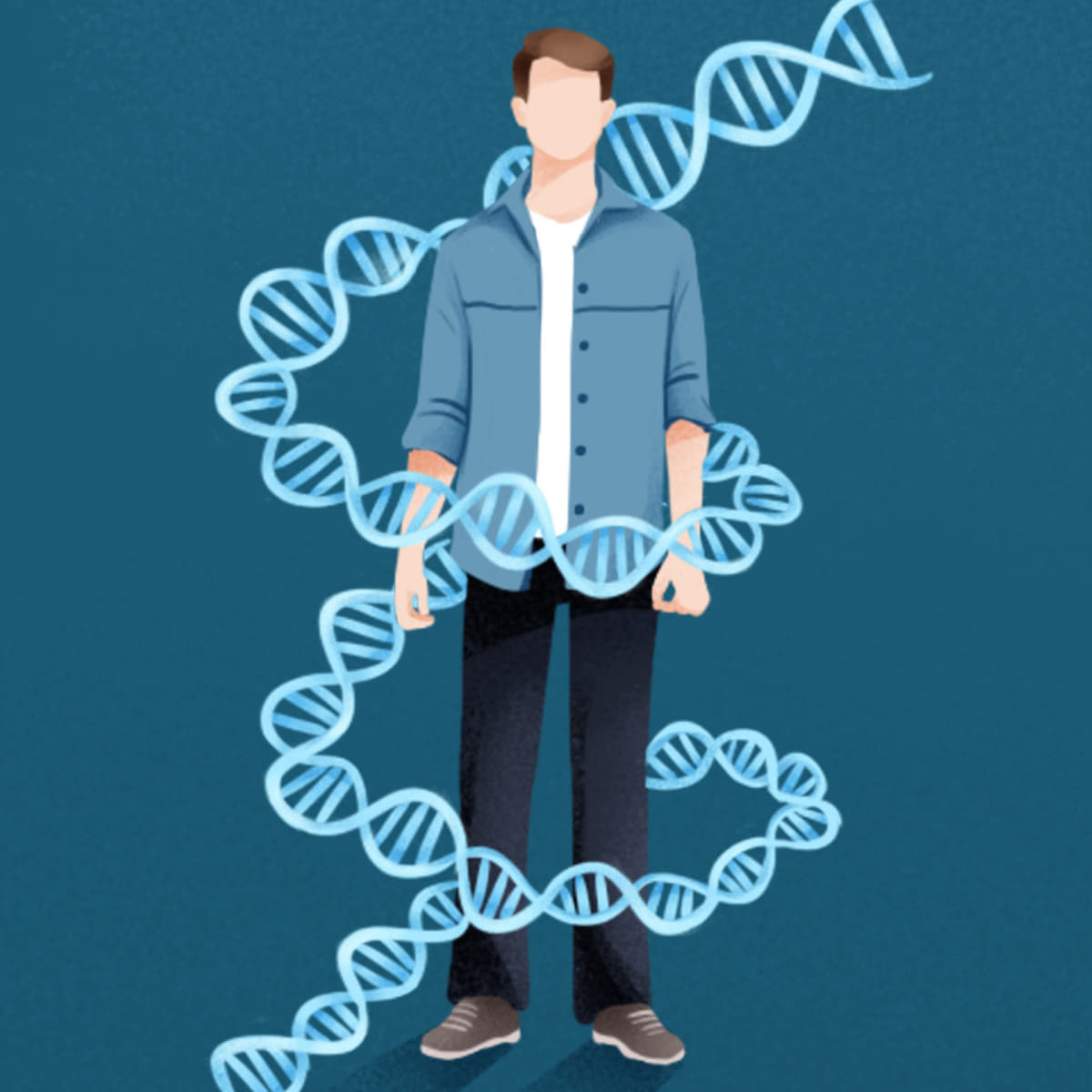
The Selfish Gene by Richard Dawkins is a book that proposes a new perspective on the theory of evolution. It argues that it is not individual organisms that are the focus of natural selection, but rather the genes within those organisms.
Dawkins introduces the concept of the "selfish gene," which suggests that the primary unit of selection is not the organism, but the gene. Genes are seen as self-replicating entities that are continuously being passed on from one generation to the next. Since genes are responsible for the traits and behaviors of organisms, they are the ones that shape the course of evolution.
According to Dawkins, genes can be seen as "selfish" because they strive to ensure their own survival and replication. They do this by influencing the behavior of organisms in ways that increase their chances of being passed on, even if it means sacrificing the well-being of the individual organism.
The book explores a wide range of topics, including altruism, sexual selection, and the evolution of social behavior. It also discusses the role of genes in shaping human behavior and culture.
Dawkins argues that the selfish gene perspective offers a more comprehensive understanding of evolution than traditional theories that focus solely on individual organisms. By shifting the focus to the gene, he provides a framework for explaining complex biological phenomena and offers insights into the evolutionary origins of various traits and behaviors.
Overall, The Selfish Gene presents a provocative and thought-provoking take on evolution and has had a significant impact on the field of biology. It challenges our conventional understanding of natural selection and provides a fresh perspective on the interplay between genes and organisms.
Chapter 2:the meaning of The Selfish Gene
The Selfish Gene is a book written by evolutionary biologist Richard Dawkins, published in 1976. The central theme of the book is the gene-centered view of evolution, which argues that genes are the fundamental unit of selection and are responsible for driving the mechanisms of evolution.
In the book, Dawkins introduces the concept of the "selfish gene," which refers to the idea that genes act in their own self-interest and are motivated to increase their own frequency in a population, even if it means sacrificing the well-being of the individual organism that carries them. Dawkins argues that it is the genes, not the organisms, that are the true replicators and are the units upon which natural selection acts.
Dawkins also explores various topics related to evolutionary biology, such as altruism, kin selection, sexual selection, and the evolution of social behavior. He presents examples and explanations that illustrate how the gene-centered view of evolution can explain a wide range of phenomena observed in nature.
The book also delves into the concept of the "extended phenotype," which refers to the idea that the effects of genes can extend beyond the physical trait of the individual organism and influence the environment or other organisms around it.
Overall, The Selfish Gene revolutionized the field of evolutionary biology and popularized the concept of genes as the primary drivers of evolution. It continues to be highly influential and has sparked much debate and discussion among scientists and the general public.
Chapter 3:The Selfish Gene chapters
Chapter 1: Why Are People?
Dawkins introduces the concept of genes as the driving force of evolution, explaining that organisms are merely vehicles for the genes' survival. He explores how genes are passed on through reproduction and the implications this has for understanding human behavior and evolution.
Chapter 2: The Replicators
The author expands on the idea that genes are replicators; they copy themselves and are the unit of natural selection. He discusses how genes have evolved mechanisms to improve their replication, such as the DNA molecule and sexual reproduction.
Chapter 3: Immortal Coils
Dawkins explores how genes have led to the creation of organisms with billions of cells, each acting as vehicles for the genes' survival. He investigates how genes construct bodies and the importance of individual cells' survival for the genes' success.
Chapter 4: The Gene Machine
This chapter focuses on how genes have influenced the development of brains, leading to behavior that maximizes their own survival. Dawkins explains that brains are essentially "survival machines" built by genes to enhance their reproductive success.
Chapter 5: Aggression: Stability and Variety
Dawkins uses examples from the animal kingdom to illustrate how genes promote aggression in order to safeguard their survival. He also discusses the evolutionary significance of cooperation, dominance hierarchies, and sexual selection in relation to aggression.
Chapter 6: Genesmanship
The author introduces the concept of "genesmanship" to describe how genes manipulate organisms to ensure their own survival. He discusses different strategies employed by genes, such as using sexual attractiveness to increase their chances of being passed on.
Chapter 7: Family Planning
Dawkins explores the concept of kin selection, explaining how genes can influence an individual's behavior towards their close relatives to promote their own replication. He discusses the evolutionary benefits of altruism towards relatives and the complex strategies genes use to maximize their own survival.
Chapter 8: Battle of the Generations
This chapter delves into the conflict between generations caused by genes and their mechanisms to ensure their own survival. Dawkins explains how reproductive competition between generations can lead to conflict and discusses various strategies employed by genes for their own success.
Chapter 9: Battle of the Sexes
The author examines sexual reproduction and the conflicts it creates between the sexes. Dawkins explains how genes ensure their replication by shaping sexual behavior, discussing the evolutionary significance of mate selection, parental investment, and sexual conflict.
Chapter 10: You Scratch My Back, I'll Ride on Yours
Dawkins explores the concept of mutualism, where organisms cooperate for mutual benefit. He explains how genes can promote cooperation between individuals in various forms, such as reciprocal altruism, symbiosis, and mutual grooming.
Chapter 11: Memes: The New Replicators
The final chapter introduces the concept of memes, cultural units analogous to genes. Dawkins discusses how memes replicate through imitation and evolve rapidly, shaping human behavior and society. He explores the implications of memetic evolution and the relationship between genes and memes.
Chapter 4: Quotes of The Selfish Gene
- "Let us understand what our own selfish genes are driving us to do."
- "Genes cannot be selfish or unselfish, any more than atoms can be jealous, elephants abstract or biscuits teleological. This should not stop us from speaking of a gene as doing this or wanting that, but we should do so with caution."
- "We are survival machines - robot vehicles blindly programmed to preserve the selfish molecules known as genes."
- "The fundamental unit of selection, therefore, is not the organism, but the gene."
- "We are all survival machines for the same kind of replicator - molecules called DNA."
- "We are prodigiously lucky to be alive, and we should make the most of our luck, seize the opportunity of living in this glorious universe while we can."
- "Life is just bytes and bytes and bytes of digital information."
- "The genes that survive are the ones that are good at surviving in the circumstances in which they find themselves."
- "Natural selection is the automatic escalator that carries genes up the gradient of improvement, but recombination is the gas pedal that pushes them along."
- "We, alone on Earth, can rebel against the tyranny of the selfish replicators."