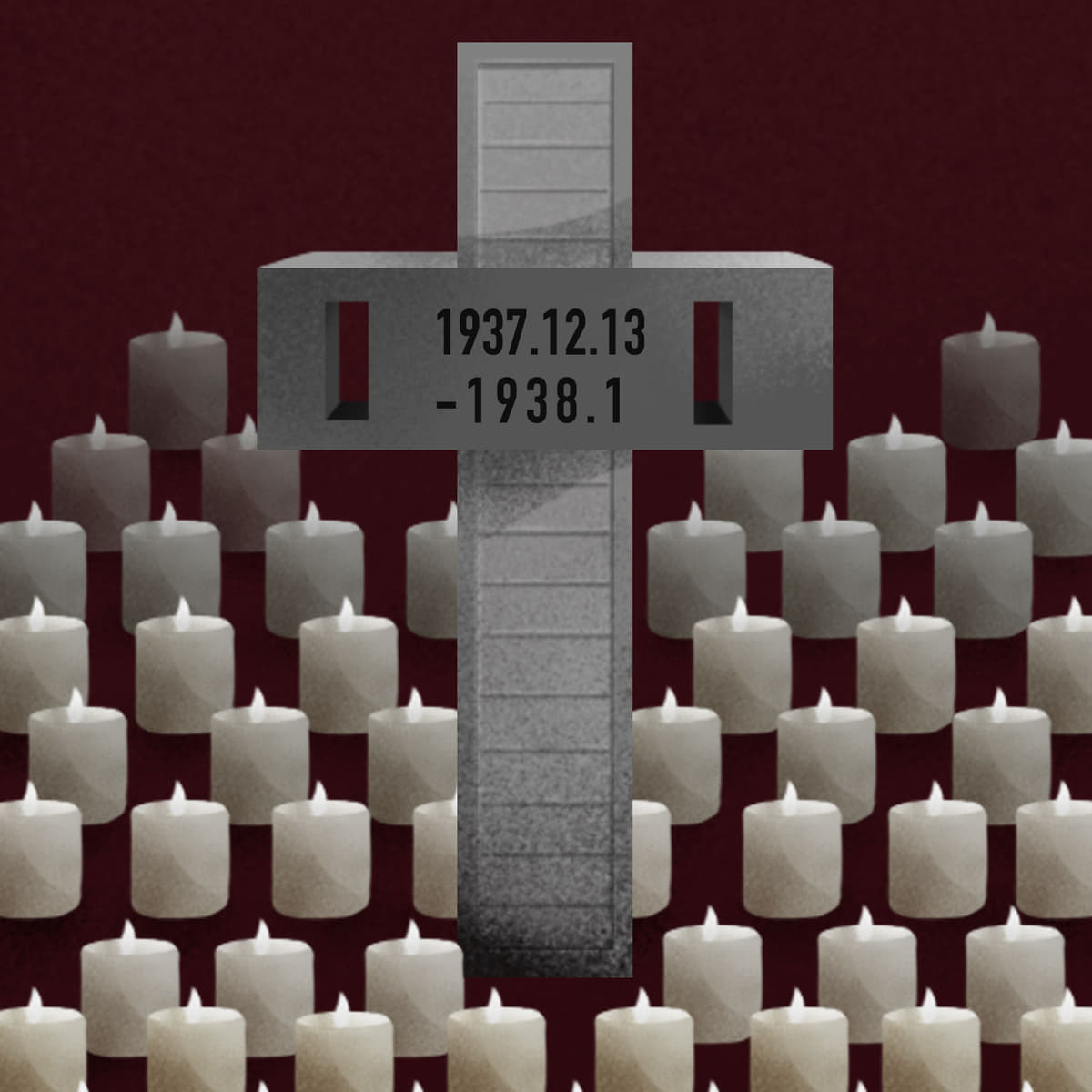
Chapter 1:What is the Book Rape of Nanking About
"The Rape of Nanking" is a historical book by Iris Chang that documents the brutal events that took place during the Nanking Massacre in 1937-1938. It focuses on the atrocities committed by the Imperial Japanese Army after capturing the Chinese city of Nanking (now Nanjing) during the Second Sino-Japanese War.
The book details the mass murder, rape, and torture inflicted upon the Chinese civilian population and disarmed soldiers by Japanese soldiers. Chang extensively researched survivor accounts, diaries, and official records to provide a comprehensive and chilling account of the horrors that unfolded during this dark chapter of history.
"The Rape of Nanking" serves as a memorial to the victims and aims to shed light on the often overlooked or denied aspects of the Nanking Massacre. It also examines the psychological and historical impact of the events, highlighting the importance of acknowledging and learning from such tragic episodes in human history to prevent their recurrence.
It is worth noting that the book contains graphic descriptions of violence and sexual assault, and it may be distressing for some readers due to its subject matter.
Chapter 2:Characters of Rape of Nanking
"The Rape of Nanking" by Iris Chang primarily focuses on the historical events and atrocities that occurred during the Nanking Massacre in 1937-1938. However, there are no specific fictional characters or individuals highlighted throughout the book as primary characters.
Instead, the book draws upon various sources, including survivor testimonies, diaries, and historical records, to provide a collective account of the experiences of the Chinese civilians and disarmed soldiers who endured the violence and brutality inflicted by the Imperial Japanese Army.
While individual stories and accounts are mentioned throughout the book, such as those of John Rabe, a German businessman who established a safety zone in Nanking, and Minnie Vautrin, an American missionary who provided refuge and support to Chinese women, the focus remains on the larger historical narrative rather than individual character development.
Chapter 3:the Meaning of the Rape of Nanking
The Rape of Nanking, also known as the Nanking Massacre, refers to a series of brutal events that took place during the Second Sino-Japanese War in 1937-1938. It involved the invasion and occupation of the city of Nanking (now Nanjing) by the Imperial Japanese Army.
The significance of the Rape of Nanking lies in its sheer scale and the atrocities committed against the civilian population and disarmed Chinese soldiers. The exact number of victims is still debated, but it is estimated that tens of thousands of Chinese were killed, and widespread rape, looting, arson, and other forms of violence were perpetrated by Japanese troops.
The event holds historical importance due to the severe human rights violations and war crimes committed during this period. The acts of violence, including mass killings and sexual violence against women, shocked the international community when news of the atrocities began to emerge. The event remains a deeply painful and controversial chapter in Sino-Japanese relations.
The memory of the Rape of Nanking continues to shape narratives about war crimes, imperialism, and the nature of conflict. It serves as a reminder of the horrors that can occur during armed conflicts and highlights the importance of promoting peace, justice, and respect for human dignity. Efforts to commemorate and educate about the events of the Rape of Nanking are ongoing in order to honor the victims and prevent such atrocities from happening again.