Chapter 1:Summary of The Paradox Of Choice
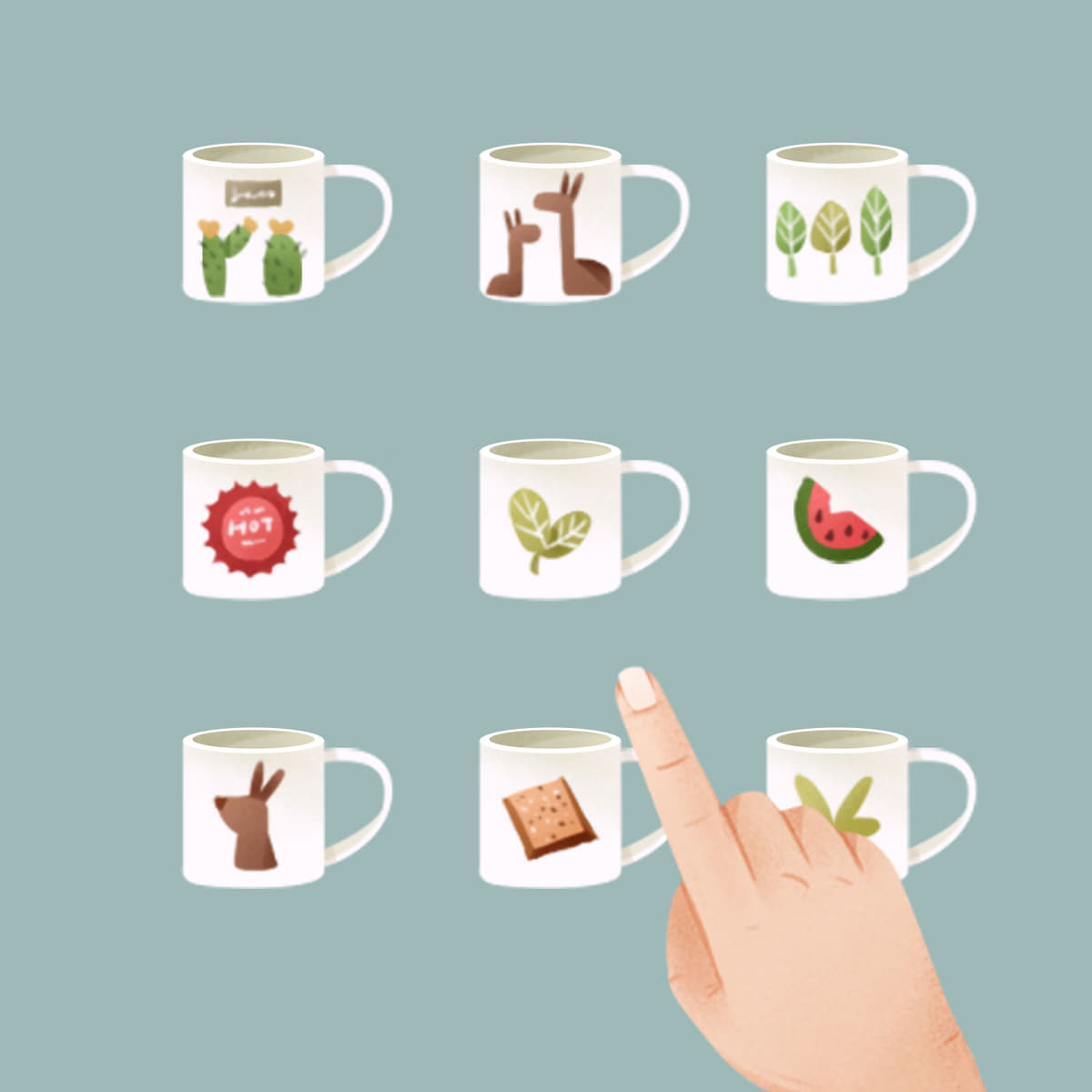
The Paradox of Choice by Barry Schwartz explores the concept of decision-making and the impact that an abundance of choices can have on our well-being. In the book, Schwartz argues that while having more options may seem desirable, it actually leads to increased anxiety, dissatisfaction, and decision paralysis.
Schwartz begins by discussing how the modern consumer society offers us an overwhelming number of choices in every aspect of our lives. He believes that this excessive freedom of choice makes it harder for people to make decisions and ultimately leads to regret and dissatisfaction. He explains that with so many options available, individuals often worry about making the wrong choice and constantly question if they could have done better.
The author also highlights the negative consequences of decision paralysis, where individuals are unable to make a decision at all due to being overwhelmed by the options. This can prevent people from moving forward and taking advantage of opportunities, resulting in missed experiences and a sense of stagnation.
Schwartz suggests that one way to mitigate the negative effects of an abundance of choice is to establish personal guidelines and criteria that help individuals make decisions more efficiently. By setting specific criteria and reducing the options to a manageable number, people can make decisions with greater confidence and satisfaction.
Additionally, the author discusses the role of regret in decision-making. He explains that since we naturally tend to imagine alternative scenarios and outcomes, we are prone to regretting our decisions even if they were objectively good. Schwartz suggests embracing the idea of "good enough" and accepting that no decision will ever be perfect. This shift in mindset can help reduce the pressure to find the optimal choice and instead focus on making a reasonable decision.
Overall, The Paradox of Choice highlights the negative consequences of an abundance of choice and offers strategies to navigate decision-making in an increasingly complex world. It encourages readers to reevaluate their attitudes towards choice and find ways to simplify decision-making processes to improve overall well-being and satisfaction.
Chapter 2:the meaning of The Paradox Of Choice
"The Paradox of Choice: Why More is Less" is a book written by Barry Schwartz, a psychologist and professor at Swarthmore College. The book explores the concept of choice and its impact on human well-being and satisfaction.
According to Schwartz, while having many choices may initially seem liberating and desirable, it often leads to feelings of stress, anxiety, and dissatisfaction in modern societies. He argues that the abundance of choices in many areas of our lives, such as consumer products, career paths, relationships, and even simple decisions like choosing a meal at a restaurant, can overwhelm and paralyze individuals.
Schwartz introduces the term "the paradox of choice" to describe how having more options does not necessarily lead to increased happiness but rather to decision paralysis, regret, and an overall decrease in life satisfaction. He argues that excessive choice can lead to high expectations, decision-making fatigue, and a constant fear of making the wrong choice.
The book suggests strategies to cope with the paradox of choice, such as setting appropriate limits on options, making decisions based on personal values and goals, and embracing the concept of "good enough" rather than always seeking the absolute best choice.
Overall, "The Paradox of Choice" highlights the importance of understanding how choice impacts our well-being and happiness, and encourages readers to approach decision-making in a thoughtful and intentional way to minimize the negative effects of excessive choices.
Chapter 3:The Paradox Of Choice chapters
- When Choice Is Demotivating: This chapter introduces the concept of the paradox of choice, where having too many choices can lead to decision paralysis and decreased satisfaction. Schwartz presents the idea that more choice does not always lead to better outcomes.
- How We Choose: The chapter delves into the decision-making process and explores how people make choices. Schwartz discusses the role of expectations, regret, and adaptation in decision-making, as well as the difficulties individuals face in making decisions.
- The Importance of Choice: Here, Schwartz discusses the significance of choice in modern society and how it is tied to personal freedom and welfare. He explores the cultural emphasis on choice, the relationship between choice and happiness, and the potential downsides of excessive choice.
- When Too Much of a Good Thing Leads to Bad Outcomes: This chapter highlights the negative consequences of having too many options. Schwartz discusses decision fatigue, the rise of opportunity costs, and the paradoxical impact of choice overload on decision quality and satisfaction.
- The Choices We Face: Schwartz discusses the overwhelming number of choices individuals encounter in their daily lives. He highlights the expansion of choices in various domains, such as careers, relationships, and consumer products.
- What to Expect: In this chapter, Schwartz examines the expectations individuals have when faced with choice. He discusses the influence of advertising, social comparison, and unrealistic expectations on decision-making and personal satisfaction.
- The Choice Architecture: Schwartz explores the role of external influences, such as marketing and advertising strategies, in shaping our decision-making process. He discusses how marketers exploit the paradox of choice and offers strategies to combat these influences.
- Where to Draw the Line: Schwartz suggests ways individuals can mitigate the negative effects of choice overload. He presents strategies for making better decisions, such as setting constraints, embracing personal rules, and learning to satisfice rather than optimize.
- Why Decisions Disappoint: This chapter focuses on decision regret and explores why individuals often feel disappointment or regret after making a choice. Schwartz offers explanations for decision regret and provides insights on how to cope with it.
- Chapter 10: The chapter explores the role of social and cultural factors in exacerbating choice anxiety. Schwartz discusses how societal values and expectations magnify the paradox of choice and provides insights on navigating these influences.
Overall, "The Paradox of Choice" presents a thought-provoking analysis of the drawbacks of excessive choice, offering practical insights and strategies for making better decisions and achieving greater satisfaction in our lives.
Chapter 4: Quotes of The Paradox Of Choice
- "Choice overload leads to less satisfaction, regret of missed opportunities, and higher expectations."
- "Seeking the best option can often result in increased anxiety and dissatisfaction."
- "Too many choices can impair decision-making processes, leading to indecision and a fear of making the wrong choice."
- "Greater choice does not always lead to greater happiness; in fact, it can often lead to greater dissatisfaction."
- "When faced with too many choices, people often experience decision fatigue, making it harder to make meaningful choices."
- "Having too many options can lead to a fear of commitment and an endless search for perfection."
- "Simplifying choices can lead to a greater sense of freedom and contentment."
- "The more choices we have, the more time and effort we have to invest in making choices, which can leave us feeling drained and overwhelmed."
- "Having too many choices can create a sense of responsibility and self-blame when outcomes don't meet our expectations."
- "Choosing one option often means sacrificing others, leading to a feeling of loss and regret."