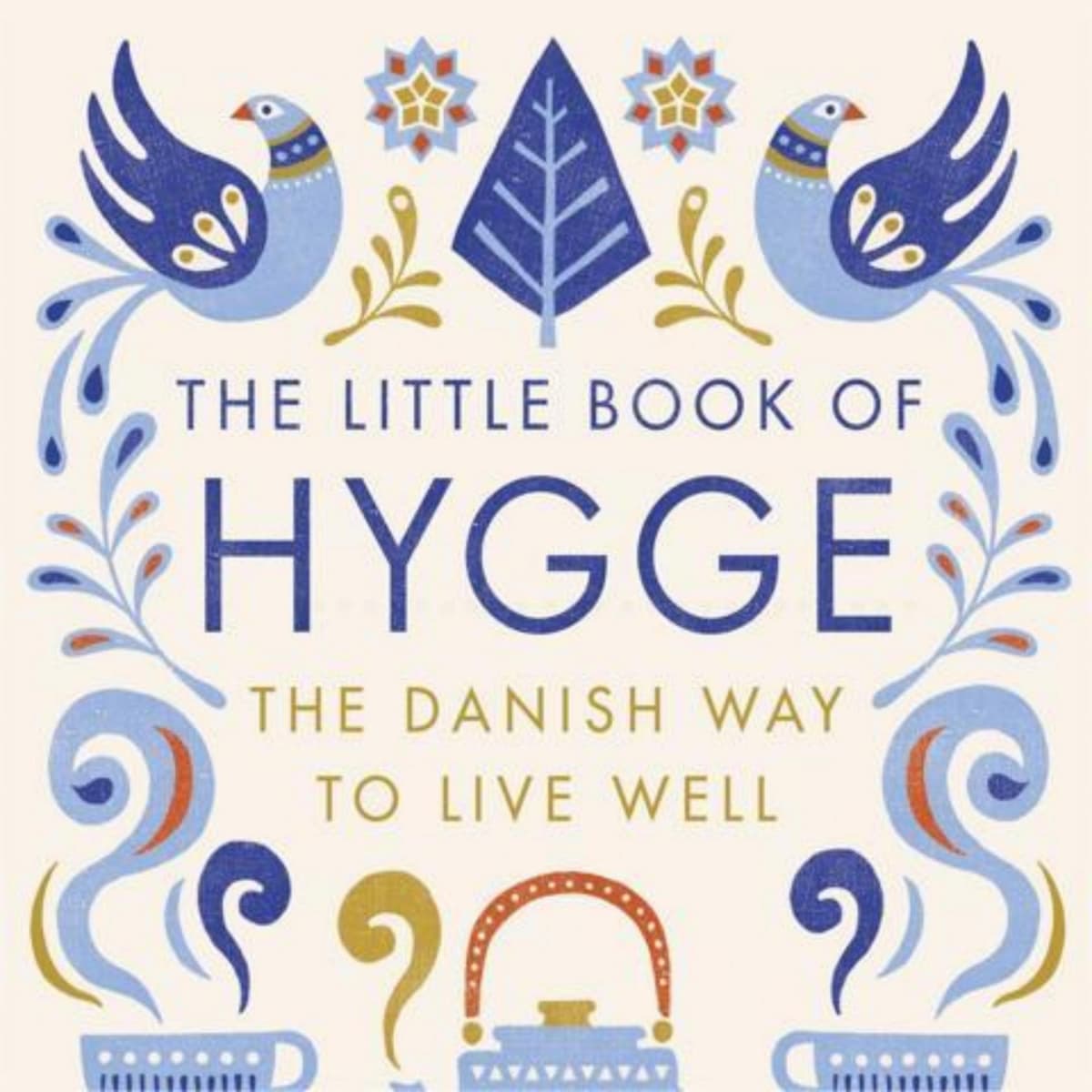
In the charming guide, "The Little Book of Hygsky," Meik Wiking invites us into the cozy world of the Danish art of living well. Settled under the soft glow of candlelight, Wiking weaves a tale of happiness and comfort found in the simple things. He introduces us to 'hygge' (pronounced 'hoo-ga'), a Danish concept that champions an atmosphere of warmth, peace, and camaraderie. Through delightful anecdotes and practical tips—from wrapping up in a luxurious blanket with a cup of tea to unfurling laughter around a dinner table with friends—Wiking shows us how incorporating hygge into our daily lives can lead to greater contentment. It’s a gentle reminder that, often, happiness is not about wealth or possessions, but in savoring the moment and nurturing the bonds we share with others. A must-read for anyone looking to slow down and find joy in the everyday, "The Little Book of Hygge" uncovers the secrets to the coveted Danish happy life.
Chapter 1:What Is The Little Book of Hygge
"The Little Book of Hygge: Danish Secrets to Happy Living" by Meik Wiking is a guide focusing on the concept of "hygge," a Danish term that encapsulates a feeling of cozy contentment and well-being through enjoying the simple things in life. Meik Wiking, CEO of the Happiness Research Institute in Copenhagen, explores how hygge is an integral part of Danish culture and offers insights into incorporating aspects of it into daily living. Below is a brief analysis based on the specified criteria:
1. Depth and Accuracy of Content: The book provides a thorough explanation of the hygge concept and its importance in Danish culture. Wiking uses both qualitative anecdotes and some research to explain how hygge plays a role in Denmark's high happiness rankings.
2. Originality: While the concept of hygge was not new at the time of the book's publication, Wiking’s approach to interpreting and presenting it to a non-Danish audience lends the book an original twist.
3. Organization: The book is well-structured, divided into sections that examine different elements of hygge, such as light, clothing, and food. This organization helps readers understand how to incorporate hygge into various aspects of their life.
4. Readability: The prose is accessible and engaging, making the book a comfortable, easy read, true to the spirit of hygge itself.
5. Inspirational and Emotional Impact: The book excels here; it inspires readers to seek simplicity, foster coziness, and appreciate the small moments. The warm, anecdotal style promotes a feel-good emotion that aligns with the book’s theme.
6. Cultural and Social Impact: Since its release, "The Little Book of Hygge" has played a significant role in popularizing the concept of hygge internationally, influencing interior designs, lifestyle blogs, and wellness trends.
7. Attention to Detail: Wiking pays close attention to describing the sensory details that contribute to a hygge atmosphere—such as the light of a candle or the warmth of a woolen sweater—which effectively helps transport the reader into a hygge mindset.
8. Theme and Message: The central theme is about appreciating the small, cozy parts of life and finding contentment in them. The book conveys this message consistently and effectively.
9. Critical Thinking: While the book does advocate for "hygge" through a very positive lens, it is less focused on critical analysis and more towards practical advice and lifestyle enhancement.
10. References: The book does not heavily rely on scientific references (it's more anecdotal and experiential), which might not satisfy those seeking empirical backing.
11. Creativity and Artistry: The creative presentation of the book, with its beautiful photographs and illustrations, complements the book's content and enhances the reader's understanding of hygge.
In summary, "The Little Book of Hygge" by Meik Wiking is praised for its warm, engaging approach to explaining a cultural phenomenon of Denmark. Its strength lies in its ability to inspire readers to find joy in simple pleasures and create moments of coziness in everyday life, although it might not satisfy those looking for a deeply analytical or reference-heavy text.
Chapter 2:The Little Book of Hygge chapters
In the heart of Denmark, there's a secret to happiness, widely practiced yet quite simple, a phenomenon called Hygge (pronounced hoo-ga). Picture this - a small, cozy room illuminated by the gentle glow of candlelight. Outside, the chill of winter paints the world in hues of blue and silver, but inside, a warm fire crackles cheerfully. Friends, close as family, laugh softly under soft, knitted throws, sharing stories and savoring the sweetness of freshly-baked pastries paired with hot cocoa. This, dear reader, is hygge in essence, and it is from this foundation that Meik Wiking penned his celebrated book, "The Little Book of Hygge".
Meik Wiking, the CEO of the Happiness Research Institute in Copenhagen, understands happiness. His studies and experiences have taught him that while the elements of well-being can be complex and diverse, often unassuming facets of life hold the greatest joy. With enthusiasm, Wiking introduces us to the Danish concept of hygge, which he hails as a critical ingredient in why Denmark consistently ranks among the world's happiest countries.
So, what is hygge all about? It involves an atmosphere of comfort, where peacefulness and contentment bloom from simplicity. Wiking's book dives into the tangible and intangible aspects of creating hygge: the lighting, the companionship, the food, and even the equality within the interactions. Every detail matters, none too small.
Wiking amusingly categorizes light as the "idea generator" for hygglekrog, meaning a nook where one can snuggle up with their thoughts, often by a window where natural light spills in, or under a favorite lamp with a warm, golden glow. He educates us on the "hygge manifesto," which includes everything from presence and harmony to truce and shelter. Everything is thoughtful—the spikes of life smoothed into comforting curvature.
Food and drink also hold a special place in the realm of hygge. Imagine baked goods, hot drinks, and slow-cooked stews. Recipes that don't just satiate hunger but also warm the soul. These culinary elements, simple yet cherished, are to be enjoyed not solitarily but in the cherished company. Good relationships, Wiking argues, can buffer against life's pains and stresses. Hygge, indeed, is social in nature—it’s about sharing peace and warmth, community and comfort.
In an increasingly fast-paced and digital world, "The Little Book of Hygge" invites us to pause, to breathe in life deeply and actively cultivate togetherness and joy in our everyday moments. Through engaging stories and practical advice, the book teaches us that it's not the Danish climate or culture alone that can claim happiness, but the ability to appreciate and design moments spiked with well-being, comfort, and kinship.
As you conclude the book—and this glimpse into its delights—reflect on how your life might bloom should you weave a little hygge into your daily routine. Light candles, savour your surroundings, share moments with loved ones, and let "The Little Show Book of Hygge" guide you into a quieter, yet profoundly beautiful way of living. Indeed, as Wiking would say, perhaps happiness isn't somewhere distant, but here, subtly nestled in the hyggelig parts of life.