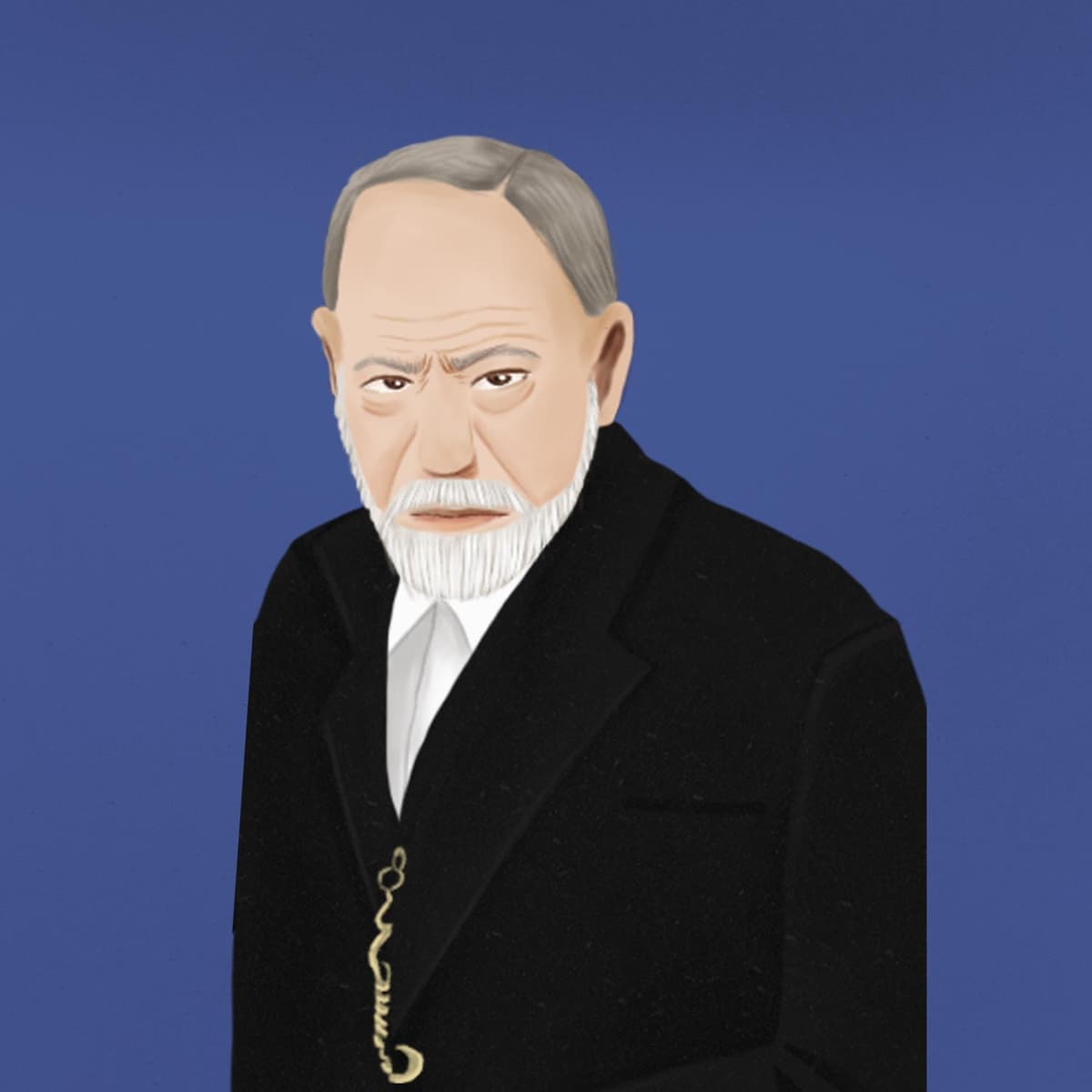
Chapter 1:What is the Freud about
"Freud: A Life for Our Time" by Peter Gay is a comprehensive biography of Sigmund Freud, the founder of psychoanalysis. The book explores Freud's life and work, delving into his childhood, education, personal relationships, and professional career. It provides an in-depth examination of his theories and contributions to psychology, as well as the controversies and criticisms that surrounded his ideas. Peter Gay's biography seeks to provide an understanding of Freud's complex personality and the impact he had on the field of psychoanalysis.
Chapter 2:Author of Freud
Peter Gay is a prominent American historian and author who is best known for his works on the history of psychoanalysis, particularly his renowned biography on Sigmund Freud. Born in 1923 in Berlin, Germany, Gay lived through the rise of Nazism and had to flee Germany with his family in 1939 to escape persecution as Jewish individuals.
After arriving in the United States, Gay pursued his education, earning a Ph.D. in Philosophy from Columbia University. He eventually became a professor of history at Yale University and later at Princeton University. Throughout his academic career, Gay wrote extensively on various historical, cultural, and intellectual topics.
Gay's most notable work is his biography on Sigmund Freud, titled "Freud: A Life for Our Time," published in 1988. This highly acclaimed book offers a comprehensive examination of Freud's life, ideas, and impact on psychology and culture. Gay's writing skillfully presents the complexities of Freud's personality and the evolution of his groundbreaking theories while situating them within the context of the historical time and place in which Freud lived.
In addition to his work on Freud, Gay has authored numerous other books, including "The Enlightenment: An Interpretation" and "Weimar Culture: The Outsider as Insider." He has been recognized with multiple awards for his contributions to history and the humanities.
Sadly, Peter Gay passed away in May 2015, leaving behind a remarkable legacy as one of the most influential historians of his time.
Chapter 3:Why is book Freud worth reading
"Freud" by Peter Gay is worth reading for several reasons:
- Comprehensive coverage of Freud's life: Peter Gay provides a detailed and comprehensive account of Sigmund Freud's life, including both personal and professional aspects. He explores Freud's childhood, education, relationships, and the development of his groundbreaking ideas.
- Historical and cultural context: Gay situates Freud's life and work within the socio-cultural context of the late 19th and early 20th centuries. This helps readers understand the challenges Freud faced, the prevailing attitudes towards psychology at the time, and the impact of the social and political climate on his theories.
- Balanced analysis: The book offers a balanced analysis of Freud's ideas, highlighting both their strengths and weaknesses. Gay acknowledges Freud's immense contributions to the field of psychology, but also critically examines some of the shortcomings and controversies surrounding his theories.
- Writing style: Peter Gay is known for his engaging and accessible writing style that makes complex ideas and concepts more readily understandable. He succeeds in making Freud's life and theories accessible to a wide range of readers, whether they have prior knowledge of psychology or not.
- Updated edition: The book has been updated over time to incorporate new information and research about Freud. This ensures that readers are getting the most up-to-date understanding of Freud's life and work, making it a valuable resource for both scholars and general readers.
Overall, "Freud" by Peter Gay is worth reading because it provides a comprehensive, well-researched, and accessible account of Sigmund Freud's life, work, and legacy. It allows readers to gain a deeper understanding of one of the most influential figures in the history of psychology.