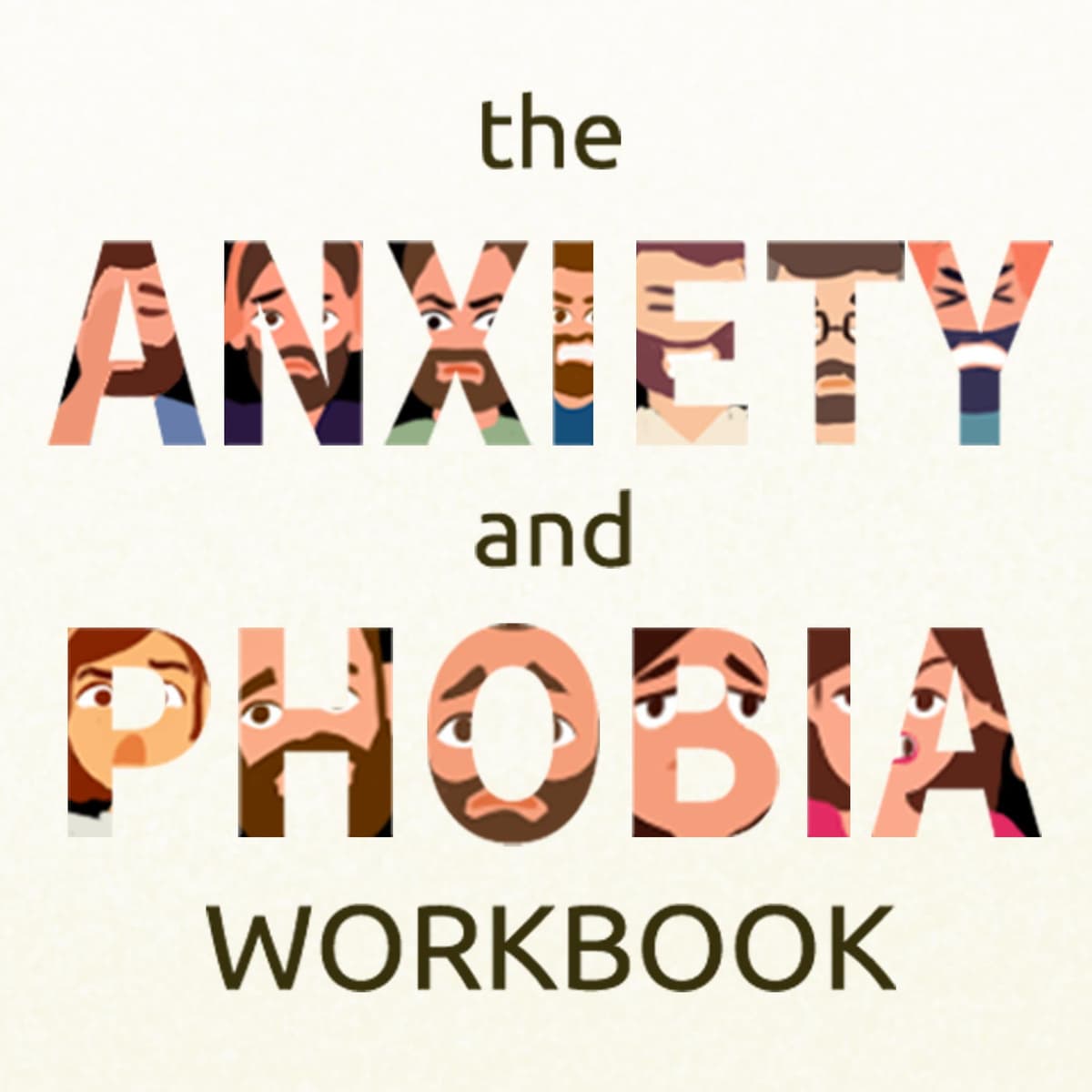
Chapter 1 What's The Anxiety and Phobia Workbook
The Anxiety and Phobia Workbook is a self-help book written by Dr. Edmund J. Bourne. It provides comprehensive information and practical exercises to help individuals understand and overcome anxiety disorders and phobias. The book includes techniques and strategies from cognitive-behavioral therapy, mindfulness, and other therapeutic approaches. It covers topics such as understanding anxiety, identifying triggers, managing symptoms, challenging negative thoughts, relaxation techniques, and exposure therapy. The workbook format allows readers to actively participate in their own healing process and track their progress along the way. It is considered a valuable resource for individuals struggling with anxiety disorders or phobias, as well as for therapists working in the field.
Chapter 2 Is The Anxiety and Phobia Workbook recommended for reading?
The Anxiety and Phobia Workbook by Dr. Edmund J. Bourne is widely regarded as a helpful resource for individuals dealing with anxiety disorders and phobias. It provides a comprehensive understanding of various anxiety disorders, effective coping techniques, and step-by-step self-help exercises. The book combines cognitive-behavioral therapy (CBT) principles with practical strategies to manage anxiety and overcome phobias. Many readers have found it to be a valuable tool in their journey towards managing and reducing anxiety. However, it is important to note that results may vary for each individual, and professional guidance should be sought if needed.
Chapter 3 The Anxiety and Phobia Workbook Summary
The Anxiety and Phobia Workbook by Dr. Edmund J. Bourne is a comprehensive self-help book designed to provide readers with practical tools and strategies for overcoming anxiety and phobias. The book aims to help individuals understand the root causes and symptoms of anxiety and phobias and offers a step-by-step approach to managing and reducing their impact on daily life.
The book begins by explaining the nature of anxiety and phobias, describing the various types of anxiety disorders and common symptoms. It emphasizes the importance of self-awareness and understanding one's own anxiety triggers as a crucial step towards combating these issues.
Dr. Bourne then provides readers with a variety of evidence-based techniques and exercises to help manage anxiety and phobias. These techniques include relaxation exercises, cognitive restructuring, exposure therapy, and lifestyle changes. The workbook format allows readers to actively participate in the exercises and track their progress over time, enabling them to develop a personalized plan for overcoming their fears.
Additionally, Dr. Bourne addresses the role of medication in treating anxiety disorders and phobias, providing information on common medications and their potential side effects. He also acknowledges the benefits of complementary treatments such as exercise, nutrition, and mindfulness practices.
The Anxiety and Phobia Workbook also explores specific phobias, social anxiety, panic disorder, generalized anxiety disorder, and obsessive-compulsive disorder. Each chapter provides in-depth information on the specific disorder, its causes, symptoms, and recommended treatment approaches.
Throughout the book, Dr. Bourne incorporates real-life case examples and personal anecdotes to enhance understanding and demonstrate the effectiveness of the techniques discussed. He also offers tips for managing stress, improving sleep, and achieving overall well-being.
In summary, The Anxiety and Phobia Workbook by Dr. Edmund J. Bourne is a comprehensive self-help guide that provides individuals suffering from anxiety and phobias with practical strategies and techniques for overcoming their fears. The book's structured approach, extensive information, and interactive exercises make it a valuable resource for anyone seeking to understand and manage anxiety-related issues.
Chapter 4 Meet the Writer of The Anxiety and Phobia Workbook
The book "The Anxiety and Phobia Workbook" is written by Edmund J. Bourne, Ph.D. He is a renowned psychologist and psychotherapist who has specialized in the treatment of anxiety disorders and related issues.
The first edition of "The Anxiety and Phobia Workbook" was released in 1990, and it has since been revised and updated several times. The latest edition, as of September 2021, is the sixth edition, which was published in 2020.
In addition to "The Anxiety and Phobia Workbook," Edmund J. Bourne has authored several other books on the subject of anxiety and related topics. Some of his notable works include:
- "Beyond Anxiety and Phobia: A Step-by-Step Guide to Lifetime Recovery" (2001)
- "Coping with Anxiety: Ten Simple Ways to Relieve Anxiety, Fear, and Worry" (2004)
- "The Anxiety and Phobia Workbook for Teens" (2008)
- "The Anxiety Cure: An Eight-Step Program for Getting Well" (1998)
In terms of editions, it is subjective to determine which book is the best. However, "The Anxiety and Phobia Workbook" is widely regarded as a highly valuable resource for individuals dealing with anxiety disorders and phobias. Its comprehensive approach, practical exercises, and evidence-based techniques make it a popular choice among readers.
Chapter 5 The Anxiety and Phobia Workbook Meaning & Theme
The Anxiety and Phobia Workbook Meaning
The Anxiety and Phobia Workbook by Dr. Edmund J. Bourne is a self-help book that aims to provide education, guidance, and practical techniques to individuals struggling with anxiety and phobias. It offers a comprehensive understanding of anxiety disorders and phobias, their causes, symptoms, and various treatment approaches.
The book's main goal is to help readers overcome their anxiety and phobias by addressing the underlying issues and implementing effective coping strategies. It offers step-by-step exercises, worksheets, and self-assessment tools to assist readers in identifying their specific anxiety triggers, challenging negative thoughts, and developing healthier behaviors and habits.
The Anxiety and Phobia Workbook delves into different anxiety disorders and phobias, such as generalized anxiety disorder, panic disorder, social anxiety disorder, specific phobias, and obsessive-compulsive disorder. It provides valuable information about medications, cognitive-behavioral therapy (CBT), relaxation techniques, mindfulness exercises, and other evidence-based interventions.
Overall, the book acts as a practical resource for individuals looking to understand their anxiety and phobias better and offers effective strategies to manage and overcome them.
The Anxiety and Phobia Workbook Theme
The main theme of "The Anxiety and Phobia Workbook" by Dr. Edmund J. Bourne is self-help and empowerment in managing anxiety and phobias. The book focuses on providing practical strategies, exercises, and information to help individuals understand and overcome their anxiety-related issues.
The workbook emphasizes the importance of taking an active role in one's own mental health and provides tools to develop skills for managing anxiety and phobias. The theme encompasses the idea that individuals have the ability to take control over their anxiety by understanding its underlying causes, challenging negative thoughts and beliefs, adopting healthier lifestyle habits, and utilizing various relaxation techniques.
Furthermore, the book emphasizes the importance of education and self-awareness, offering knowledge about anxiety disorders, different types of phobias, and the connection between thoughts, emotions, and behaviors. The author encourages readers to identify their specific fears and triggers, and offers guidance on how to gradually confront and desensitize themselves to these fears in order to reduce anxiety and overcome phobias.
Overall, the theme of "The Anxiety and Phobia Workbook" is centered around providing readers with the necessary tools and knowledge to actively address and manage their anxiety and phobias, promoting self-help, empowerment, and a sense of control over one's mental health.
Chapter 6 Various Alternate Resources
- The Official Website of Dr. Edmund J. Bourne: Dr. Bourne's website provides information about his book, The Anxiety and Phobia Workbook, along with additional resources and updates. (Website: https://edmundbourne.com/)
- Amazon: The Anxiety and Phobia Workbook can be purchased on Amazon, where you can also find customer reviews and ratings. (Website: https://www.amazon.com/Anxiety-Phobia-Workbook-Edmund-Bourne/dp/1626252157)
- Goodreads: Goodreads offers a platform for readers to share their thoughts and reviews about The Anxiety and Phobia Workbook. (Website: https://www.goodreads.com/book/show/19770908-the-anxiety-phobia-workbook)
- YouTube: Several YouTubers have created video reviews and summaries of The Anxiety and Phobia Workbook, providing an overview of its contents and strategies. (Website: https://www.youtube.com/results?search_query=The+Anxiety+and+Phobia+Workbook+Edmund+Bourne)
- Barnes & Noble: The Anxiety and Phobia Workbook can be found on Barnes & Noble's website where you can read customer reviews and find related books or recommendations. (Website: https://www.barnesandnoble.com/w/the-anxiety-phobia-workbook-edmund-j-bourne/1119518767)
- Audible: The Anxiety and Phobia Workbook is available as an audiobook on Audible, where you can listen to it and leave reviews. (Website: https://www.audible.com/pd/The-Anxiety-and-Phobia-Workbook-Audiobook/B01I5G82RE)
- Google Books: You can find The Anxiety and Phobia Workbook on Google Books, where you can preview sections of the book and read reviews. (Website: https://books.google.com/books/about/The_Anxiety_Phobia_Workbook.html?id=pye3rgEACAAJ)
- Twitter: Dr. Edmund J. Bourne has an active Twitter account where he shares updates, news, and resources related to anxiety and phobias, including his book. (Twitter handle: @AnxietyPhobiaWB)
- Instagram: Dr. Edmund J. Bourne also has an Instagram account where he shares visual content related to anxiety management and promotes his book. (Instagram handle: @anxietyphobiaworkbook)
- LinkedIn: On LinkedIn, you can find Dr. Edmund J. Bourne's professional profile, where he shares articles, resources, and updates related to anxiety and phobias. (Profile: https://www.linkedin.com/in/dr-edmund-j-bourne/)
Chapter 7 Quotes of The Anxiety and Phobia Workbook
The Anxiety and Phobia Workbook quotes as follows:
- "When we face our fears and confront our anxieties head-on, we empower ourselves to overcome them and live a more fulfilling life."
- "Anxiety is a normal and natural response to stress, but when it becomes overwhelming and interferes with daily life, it's important to seek help and learn effective coping strategies."
- "The key to managing anxiety is to understand and challenge the negative thoughts and beliefs that contribute to our feelings of fear and worry."
- "Avoidance may provide temporary relief from anxiety, but in the long run, it only reinforces our fears. Confronting our anxieties is the path to true healing and growth."
- "It's important to remember that anxiety is not a sign of weakness or failure. It's a common human experience, and there is help and hope available for those who seek it."
- "Learning to relax both the body and the mind is an essential skill for managing anxiety. Practice relaxation techniques such as deep breathing, meditation, and progressive muscle relaxation regularly."
- "Social anxiety can be debilitating, but with practice and exposure, we can gradually become more comfortable in social situations. Start by challenging negative self-talk and setting small, achievable goals."
- "Cognitive restructuring is a powerful tool for managing anxiety. By identifying and challenging our irrational thoughts and replacing them with more rational, balanced ones, we can reduce our anxiety and improve our overall well-being."
- "Panic attacks can be terrifying, but it's important to remember that they are not physically dangerous. By learning to recognize the symptoms and practicing grounding techniques, we can regain a sense of control."
- "Recovery from phobias is possible with the right tools and support. Gradual exposure to the feared object or situation, coupled with relaxation techniques, can help desensitize our fear response and promote healing."
Chapter 8 Books with a Similar Theme as The Anxiety and Phobia Workbook
- "The Worry Cure: Seven Steps to Stop Worry from Stopping You" by Robert L. Leahy
This insightful book delves into the art of managing worries and provides a step-by-step guide to overcoming excessive worrying. Offering practical techniques and strategies, Leahy presents actionable tips to alleviate anxiety and promote mental well-being.
- "Feeling Good: The New Mood Therapy" by David D. Burns
Dr. Burns presents cognitive therapy techniques in this classic self-help book. Through a compassionate approach, he empowers readers to challenge negative thinking patterns, combat depression, and enhance emotional resilience, ultimately leading to a happier and healthier mindset.
- "The Mindful Way through Anxiety: Break Free from Chronic Worry and Reclaim Your Life" by Susan M. Orsillo and Lizabeth Roemer
This book explores the connection between mindfulness and anxiety. Orsillo and Roemer guide readers through meditative practices and cognitive strategies to effectively manage anxiety, develop self-compassion, and gain control over their lives.
- "The Noonday Demon: An Atlas of Depression" by Andrew Solomon
Solomon offers an in-depth exploration of depression, drawing from his personal experiences and extensive research. Within this thought-provoking and compassionate memoir, readers gain a deeper understanding of the complexities of depression and find solace in knowing they are not alone.
- "Rewire Your Anxious Brain: How to Use the Neuroscience of Fear to End Anxiety, Panic, and Worry" by Catherine M. Pittman and Elizabeth M. Karle
Pittman and Karle blend neuroscience and mindfulness to provide accessible tools for overcoming anxiety. This book offers valuable insights into rewiring the brain to develop healthier responses to fear and anxiety, empowering individuals to find lasting relief.
By expanding your mental health journey through these five book recommendations, you can further develop your understanding of anxiety, depression, and various effective coping strategies. Each of these works offers unique perspectives and self-help techniques that can contribute to your overall well-being and personal growth.