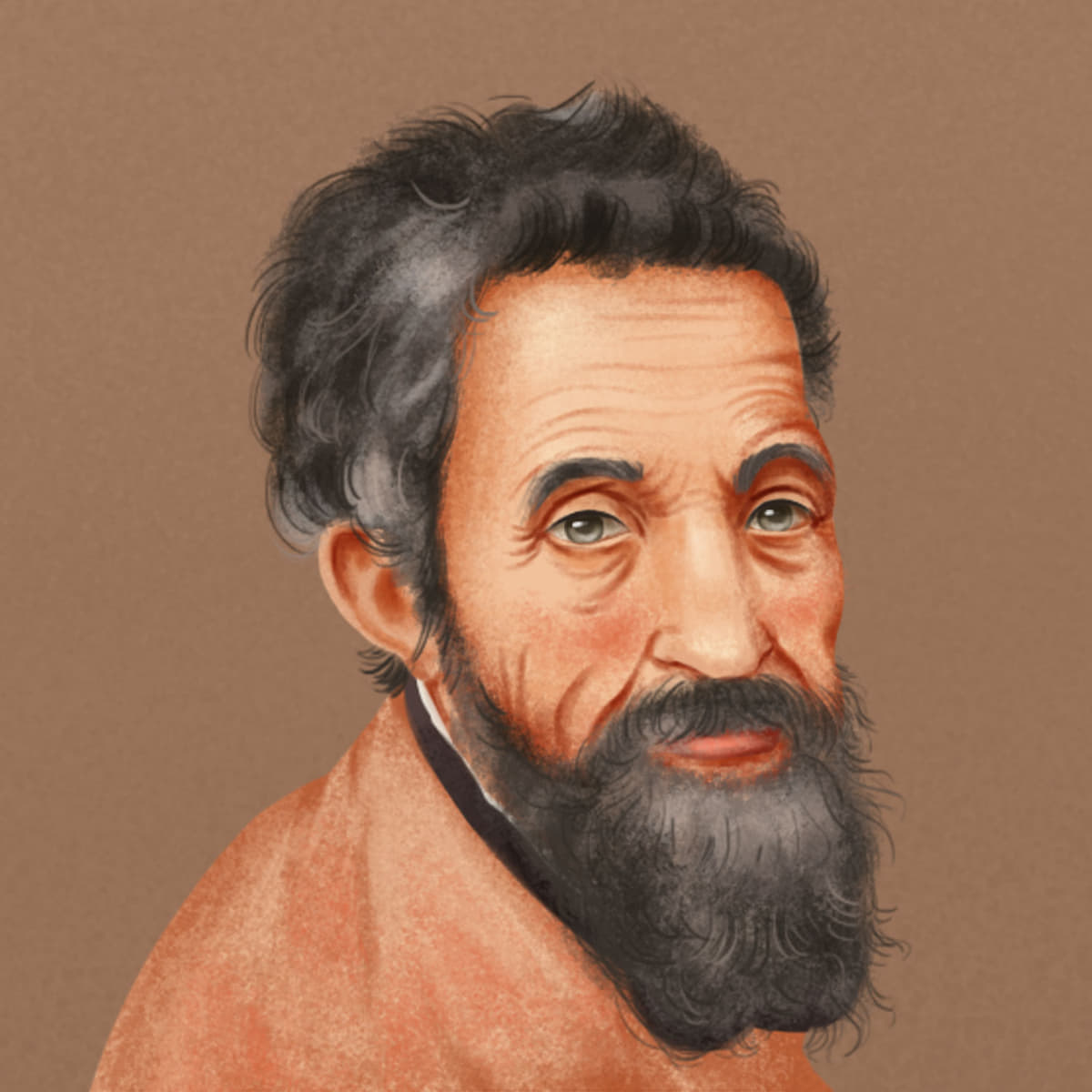
Chapter 1:what is The Agony And The Ecstasy book about
"The Agony and the Ecstasy" is a biographical novel written by Irving Stone. It fictionalizes the life of the renowned Italian Renaissance artist, Michelangelo Buonarroti. The book follows Michelangelo's journey from his early beginnings in Florence through his years of struggle and triumph as a sculptor and painter.
The story portrays Michelangelo's inner conflict as he faces challenges from patrons, rival artists, and the Catholic Church while working on his notable masterpieces, including the Sistine Chapel ceiling and the statue of David. The title reflects the intense emotional struggles Michelangelo experiences during his artistic pursuits. His determination, passion, and commitment to his craft are explored within the context of the social, political, and religious climate of Renaissance Italy.
"The Agony and the Ecstasy" depicts Michelangelo's relationships with various historical figures, such as Pope Julius II and his fellow artist Leonardo da Vinci. It provides insights into his artistic process, his rivalries, and his inner turmoil. Through the narrative, the novel explores themes such as the pursuit of excellence, the role of art in society, and the complexities of the human psyche.
Overall, Irving Stone's book delves into the life of Michelangelo, offering a blend of historical accuracy with fictional storytelling to demonstrate his artistic genius while capturing the personal struggles and triumphs that made him one of the greatest artists of all time.
Chapter 2:Author of The Agony And The Ecstasy book
Irving Stone, born on July 14, 1903, was an American writer and novelist renowned for his biographical novels that brought historical figures to life. Stone achieved tremendous success and acclaim for his meticulously researched and vividly written books, which captured the essence of individuals and brought their stories to a wider audience.
One of Stone's most famous works is "The Agony and the Ecstasy," published in 1961. This novel focused on the life and artistic journey of the renowned Italian sculptor and painter, Michelangelo Buonarroti. Stone's deep admiration for Michelangelo shines through his writing, as he portrayed the artist's struggles, triumphs, and the intense dedication he had towards his craft.
"The Agony and the Ecstasy" delves into Michelangelo's life, exploring his relationships, creative process, and how he overcame various challenges and setbacks throughout his career. Stone's meticulous research is evident in the detailed descriptions of the historical context and the artistic techniques employed by Michelangelo. With this compelling narrative, Stone not only humanized the genius of Michelangelo but also shed light on the Renaissance period and the broader art world of that era.
Irving Stone's ability to breathe life into historical characters and make their stories accessible to readers earned him a significant following. His writing style showcased his love for art, history, and the intricate details that shaped the lives of his subjects. Stone's dedication to research and his devotion to incorporating historical accuracy make his novels not only pleasurable to read but also informative.
Throughout his career, Stone wrote several acclaimed biographical novels, including "Lust for Life" (1934), which focused on the life of Vincent van Gogh, and "The Passions of the Mind" (1971), which explored the life and work of Sigmund Freud.
Irving Stone's work continues to captivate readers, providing a captivating blend of historical fact and creative storytelling. He passed away on August 26, 1989, leaving behind a rich literary legacy that continues to inspire and educate.
Chapter 3:why is The Agony And The Ecstasy book worth reading
- Detailed Historical Setting: The novel is set during the Italian Renaissance, specifically focusing on the life of the renowned artist Michelangelo Buonarroti. Stone meticulously researched the history and accurately portrays the politics, society, and artistic environment of the time. It offers a fascinating glimpse into the world of art and architecture during this significant period.
- Engaging Characterization: Stone brings Michelangelo to life, providing a deep and multidimensional portrayal of the artist. The novel delves into Michelangelo's struggles, torment, and personal sacrifices in pursuing his artistic calling. It offers insights into his creative process and explores his personal relationships, making him a relatable and captivating character.
- Exploration of Artistic Passion: The novel explores the relentless pursuit of artistic expression and the constant struggle between personal satisfaction and societal demands. It delves into the challenges faced by artists, their dedication, and the sacrifices required to achieve greatness. It can inspire readers to reflect on their own passions and the sacrifices they might need to make in their own pursuits.
- Historical and Artistic Education: "The Agony And The Ecstasy" educates readers about iconic Renaissance artworks, such as Michelangelo’s sculpture David and the painting of the Sistine Chapel ceiling. Stone’s vivid descriptions and storytelling provide a deeper understanding and appreciation of these masterpieces.
- Emotional Depth: The novel not only explores the external achievements and challenges faced by Michelangelo but also delves into his inner struggles and emotions. It conveys the agonizing process of creating art or pursuing any passionate endeavor, as well as the ecstasies experienced when achieving artistic breakthroughs. It can resonate with readers on a deeper emotional level.
- Narration Style: Stone’s writing is accessible and engaging, seamlessly blending historical facts with fictionalized elements. He strikes a balance between accurately portraying historical events and characters while creating a compelling and readable narrative.
Overall, "The Agony And The Ecstasy" offers a rich historical backdrop, memorable characters, and thought-provoking themes, making it a worthwhile and enriching read for fans of historical fiction, art enthusiasts, and anyone interested in the human pursuit of passion and creativity.
Chapter 4: Books like The Agony And The Ecstasy book
- The Forest Lover by Susan Vreeland: This novel follows the life of Canadian artist Emily Carr as she struggles to find her artistic voice in the male-dominated art world of the early 20th century.
- The Painted Girls by Cathy Marie Buchanan: Set in 19th century Paris, this historical novel explores the lives of two sisters trying to make a living as ballet dancers while navigating poverty, ambition, and love.
- The Girl with a Pearl Earring by Tracy Chevalier: Inspired by Vermeer's famous painting, this novel delves into the imagined story of the girl depicted in the painting and her relationships with the artist and his family.
- Lust for Life by Irving Stone: Another book by Irving Stone, Lust for Life tells the captivating life story of Vincent van Gogh, delving into his relationships, struggles with mental illness, and artistic triumphs.
- The Birth of Venus by Sarah Dunant: Set in Renaissance Florence, this novel follows the life of a young woman named Alessandra, who yearns to be an artist in a time when women were expected to conform to societal expectations.
- The Paris Wife by Paula McLain: If you're interested in the lives of artists, this novel tells the story of Hadley Richardson, the first wife of Ernest Hemingway, as she navigates her relationship with the famous writer and the expatriate community in 1920s Paris.
- The Signature of All Things by Elizabeth Gilbert: This novel follows the life of Alma Whittaker, a botanist in the 19th century, as she embarks on a journey of scientific discovery and personal growth.
- The Swan Thieves by Elizabeth Kostova: This book explores the life of a troubled artist and the psychiatrist determined to solve the mystery behind his obsession with a long-dead woman and her painting.
- The Girl Who Loved Camellias by Julie Kavanagh: Based on the true story of French courtesan and actress Marie Duplessis, this novel delves into her life as the muse to many influential artists and her battle with tuberculosis.
- The Last Nude by Ellis Avery: Set in 1920s Paris, this novel tells the story of real-life artist Tamara de Lempicka and her relationship with a young American woman who becomes her model and muse.