Chapter 1:Summary of In Praise Of Shadows book
In "In Praise of Shadows," Japanese author Jun'ichirō Tanizaki explores the traditional aesthetic principles of Japanese culture and contrasts them with the growing influence of Westernization. The essay reflects on various aspects of Japanese aesthetics, such as the appreciation of darkness and imperfection, the elegance of simplicity, and the importance of the natural and tranquil.
Tanizaki highlights the contrast between the Western preference for bright and well-lit spaces and the Japanese appreciation for shadow and darkness. He argues that Western civilization tends to prioritize clarity, whereas Japanese culture values ambiguity and nuance. Tanizaki suggests that shadows contribute to a sense of mystery and depth, allowing for more imaginative interpretations and creating a subtle beauty that is often overshadowed by modern lighting technologies.
The essay also touches on the impact of industrialization and the mass production of goods in the modern era. Tanizaki laments the loss of traditional crafts and materials, as well as the understanding and respect for the natural world. He argues that modern conveniences and artificial lighting have diminished the connection between humans and the natural environment, leading to a loss of serenity and appreciation for simplicity.
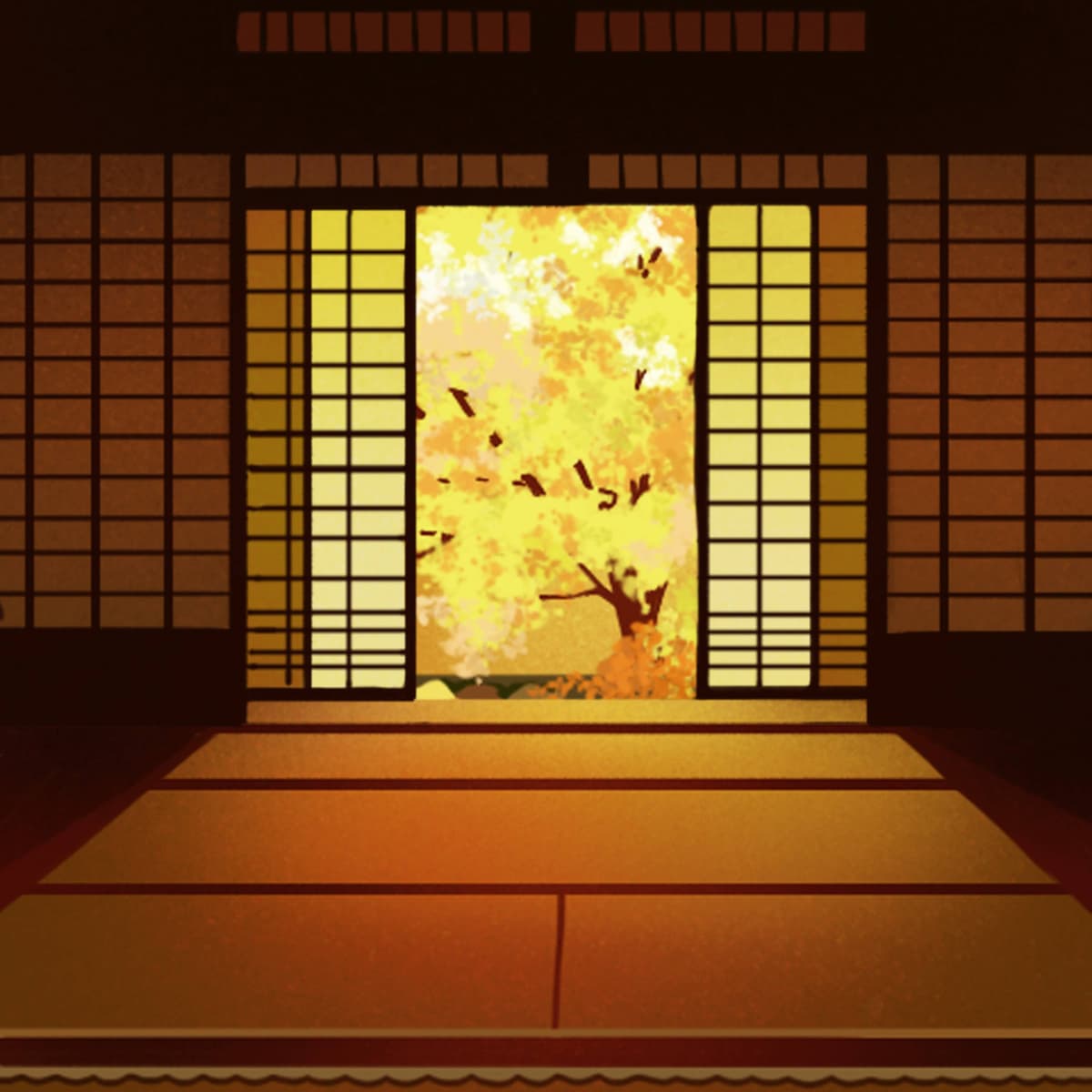
Tanizaki further discusses the traditional Japanese architecture, which emphasizes the blending of indoor and outdoor spaces and the harmonious integration of nature. He praises the use of subdued colors, traditional building materials like wood and paper, as well as the incorporation of natural elements such as gardens and ponds. Tanizaki suggests that these elements contribute to a more serene and tranquil living environment.
Overall, "In Praise of Shadows" is a thought-provoking exploration of Japanese aesthetics, attempting to reconcile the traditional values with the advancements of modernization. Tanizaki encourages a reevaluation of Western influences and a return to a deeper appreciation for shadows, darkness, and the simple beauty of the natural world.
Chapter 2:the meaning of In Praise Of Shadows book
"In Praise of Shadows" by Jun'ichirō Tanizaki is an essay that explores the aesthetics and appreciation of the traditional Japanese way of life and design, contrasting it with the modern Western influences and values. The essay discusses the importance of shadows, muted colors, dim lighting, and ambiguity in architecture, interior design, theater, and other aspects of Japanese culture.
Tanizaki argues that traditional Japanese aesthetics, which emphasize subtlety, simplicity, and the beauty of imperfection, are being eroded by the bright, artificial lights and stark designs of the modern age. He believes that the play of shadows and the appreciation of darkness are necessary for an enhanced sensory and aesthetic experience. Through examples of traditional Japanese architecture, tea ceremonies, and the art of calligraphy, Tanizaki conveys a nostalgia for a vanishing world and a plea for the preservation of traditional Japanese aesthetics.
Overall, "In Praise of Shadows" encourages readers to reevaluate their understanding of beauty and to appreciate the charm and elegance in the subtle nuances and delicate balance between light and shadow in the traditional Japanese culture.
Chapter 3:In Praise Of Shadows book chapters
"In Praise of Shadows" by Jun'ichirō Tanizaki is an essay that explores the cultural differences between traditional Japanese aesthetics and the modernization of Japan. The essay is divided into eight chapters, each discussing various aspects of these differences.
Chapter 1: In this chapter, Tanizaki introduces the concept of shadows and their importance in traditional Japanese aesthetics. He argues that shadows create a sense of mystery and depth, whereas modern Western aesthetics focus on eliminating shadows to create a sense of clarity and brightness.
Chapter 2: Tanizaki discusses the use of materials and textures in traditional Japanese architecture and design. He praises the use of natural materials such as wood and paper, and emphasizes the beauty that comes from the aging and decay of these materials over time.
Chapter 3: In this chapter, Tanizaki focuses on the Japanese sense of space and how it differs from Western ideas. He describes the traditional Japanese house as a series of interconnected rooms with sliding paper doors, creating a sense of fluidity and flexibility. He also talks about the importance of the tokonoma, a small alcove in a Japanese home, to display artworks and objects.
Chapter 4: Tanizaki discusses the use of light in traditional Japanese aesthetics. He praises the soft and indirect lighting created by paper lanterns and lamps, highlighting their ability to create intimate and subdued atmospheres.
Chapter 5: This chapter explores the role of women in traditional Japanese society and how their beauty is enhanced by shadows and dim lighting. Tanizaki discusses the use of white makeup, the ornaments worn by women, and the traditional Japanese hairstyle called nihongami.
Chapter 6: Tanizaki discusses the role of toilets in traditional Japanese architecture and how they reflect the cultural values of the society. He argues that Western-style bathrooms with bright lights are too revealing and lack privacy, whereas the traditional Japanese squat toilets are more discreet and provide a sense of seclusion.
Chapter 7: Tanizaki discusses the importance of the tea ceremony in Japanese culture and how its aesthetic principles align with his ideas of shadows and subdued lighting. He explores the rituals and objects used in the tea ceremony and praises the rustic simplicity and imperfections that are embraced in this practice.
Chapter 8: In the final chapter, Tanizaki reflects on the effects of modernization on traditional Japanese aesthetics. He mourns the loss of traditional beauty and emphasizes the importance of preserving and appreciating the cultural heritage of Japan.
Overall, "In Praise of Shadows" is a contemplative exploration of the unique aspects of traditional Japanese aesthetics and how they differ from modern Western aesthetics. Tanizaki celebrates the beauty found in shadows, darkness, and the imperfections of objects, while also expressing concern about the loss of these values in a rapidly changing world.
Chapter 4: Quotes of In Praise Of Shadows book
- "We find beauty not in the thing itself but in the patterns of shadows, the light and the darkness, that one thing against another creates."
- "Were it not for shadows, there would be no beauty."
- "In order to find beauty in something, we must first understand its relationship to the shadows."
- "The beauty of shadows lies in their ability to create depth and mystery."
- "In the dimness of shadows, we find a sense of tranquility and peace."
- "The play of light and shadows enhances the texture and allure of objects."
- "Shadows give objects a sense of weight and substance."
- "The quality of shadows is just as important as the quality of light."
- "Shadows can be interpreted as an expression of the passing of time."
- "In the silence of shadows, we can discover a greater appreciation for the subtleties of life."