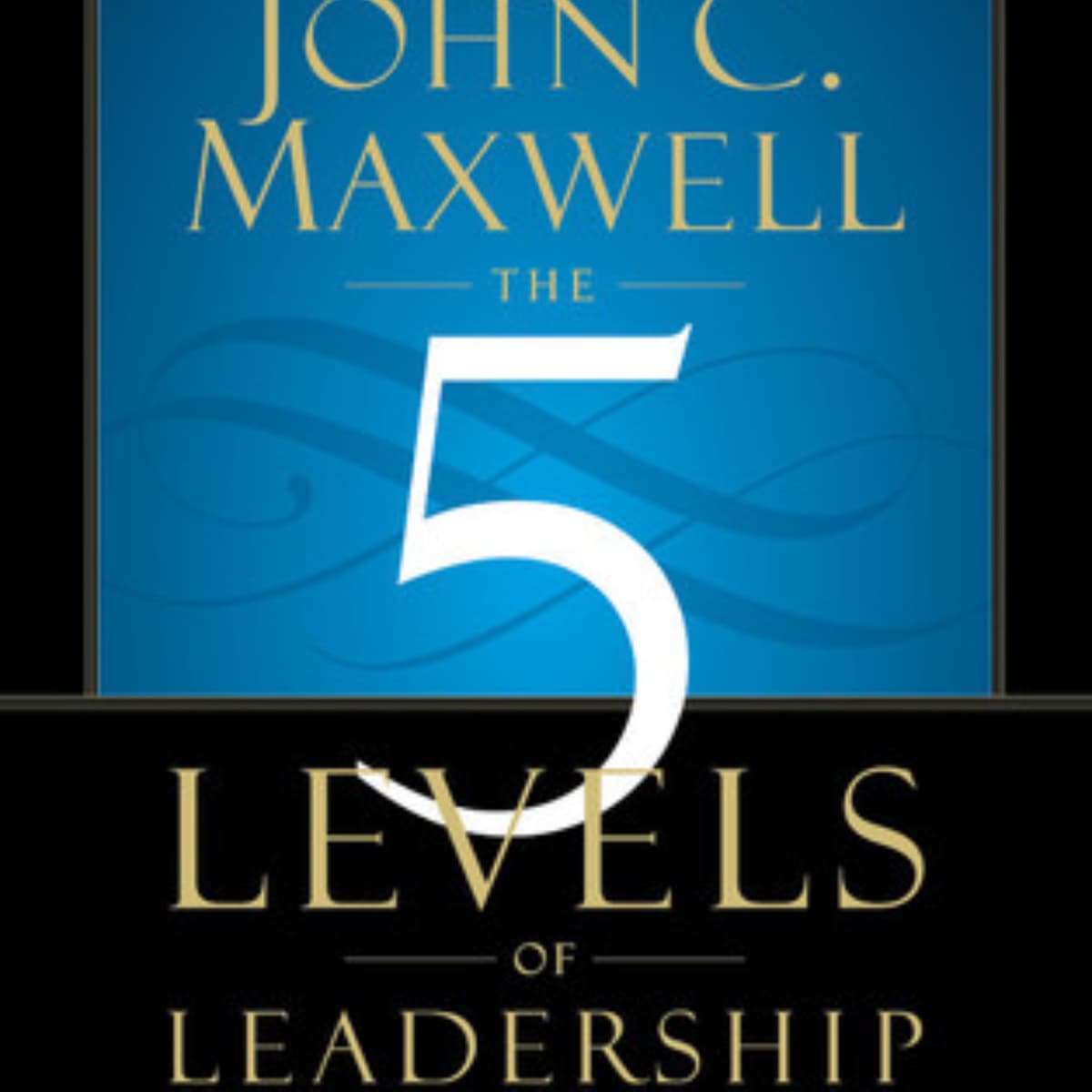
In the heart of a bustling city, Clara stood at the crossroads of her career, feeling the weight of her emerging leadership role. She remembered the wisdom of John C. Maxwell's “The 5 Levels of Leadership.” Each level mirrored her journey:
1. Position – Initially, Clara relied on her title, but she soon learned that authority is not enough.
2. Permission – Building relationships, she discovered the power of trust and influence.
3. Production – As she inspired her team, results began to speak louder than words.
4. People Development – Clara ignited potential in others, fostering a collaborative spirit.
5. Pinnacle – Eventually, she transcended into a leader who inspired future leaders, leaving a profound legacy.
Through Clara’s evolution, Maxwell’s vision unfolded: true leadership is about elevating others while constantly growing oneself. She embraced this framework, stepping into her role and inspiring change, one level at a time.
Chapter 1: What Is The 5 Levels of Leadership
The 5 Levels of Leadership by John C. Maxwell: Evaluation
Depth and Accuracy of Content:
Maxwell's content is well-researched and based on extensive leadership theory and practice. He distills complex concepts into accessible ideas, providing a comprehensive view of leadership development across different levels. Each level emphasizes real-world application along with clear examples.
Originality:
While the concept of leadership is not new, Maxwell presents the five levels—Position, Permission, Production, People Development, and Pinnacle—in a structured way that adds original clarity to the discourse on leadership. His framework offers a unique perspective on how leaders can evolve.
Organization:
The book is well-organized, with each level discussed in its own chapter. This structure allows readers to easily navigate through the concepts, making it straightforward to understand the progression from one level to the next.
Readability:
Maxwell's writing is approachable, using straightforward language and relatable anecdotes. His conversational style makes the book easy to read for a broad audience, from aspiring leaders to seasoned executives.
Inspirational Emotional Impact:
The book is highly inspirational, motivating readers to pursue their leadership journey. Maxwell combines personal stories with motivational insights, encouraging readers to aspire to higher levels of leadership and personal growth.
Cultural and Social Impact:
This book resonates across various cultures and industries, offering universal principles that apply to diverse leadership contexts. It promotes the idea that leadership is accessible, and anyone can develop their leadership skills.
Attention to Detail:
Maxwell demonstrates a keen attention to detail, with clear examples and practical advice that reinforce his concepts. His thorough explanations of each level offer readers actionable takeaways.
Theme and Message:
The central theme focuses on the idea that true leadership is not just about authority but about influence, growth, and the development of others. Maxwell advocates for a servant-leadership approach, making the message poignant and relevant.
Critical Thinking:
Maxwell encourages readers to reflect on their leadership style and their relationship with others. While he provides a clear framework, he invites critical thinking about how one can apply these concepts in their lives.
References:
The book includes various references to historical leaders, successful figures, and Maxwell’s own experiences to support his points. While it may not contain exhaustive academic citations, the use of real-world examples enriches the text.
Creativity and Artistry:
Maxwell’s creativity shines through in his storytelling approach and use of metaphors to illustrate leadership principles. The book is not just a manual; it's a blend of narrative and instruction that engages the reader.
Conclusion
Overall, "The 5 Levels of Leadership" by John C. Maxwell is a well-structured, inspirational, and practical guide to understanding and developing leadership skills. It excels in depth, readability, and emotional impact, making it a valuable resource for anyone interested in enhancing their leadership journey.
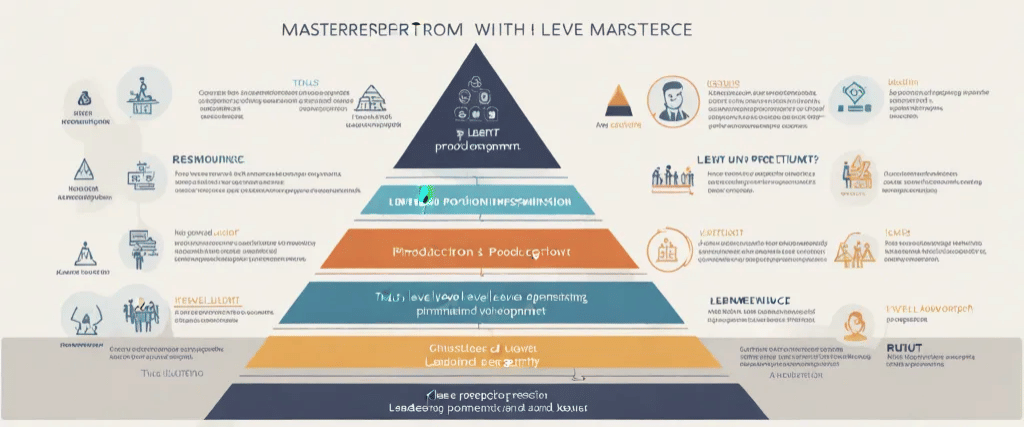
Chapter 2: The 5 Levels of Leadership chapters
"The 5 Levels of Leadership" by John C. Maxwell outlines a framework for understanding different stages of leadership development. Each level represents a distinct form of influence a leader can exert. Here’s a summary of the chapters corresponding to each level:
Level 1: Position – The Right to Lead
At this foundational level, leadership is based on the authority granted by a position. Leaders have followers because they must; people follow them due to their job title. Maxwell emphasizes that while this level is necessary for leadership, it is not sufficient for long-term influence. Effective leaders at this level build credibility and begin to develop relationships.
Level 2: Permission – The Relational Level
At this stage, leaders gain influence based on relationships. People follow leaders because they want to, not just because they have to. Leaders build trust and rapport with their team, focusing on communication and empathy. This chapter highlights the importance of developing strong interpersonal relationships, which fosters a positive work environment and collaborative culture.
Level 3: Production – The Results Level
Here, the focus shifts to results and productivity. Leaders at this level earn respect by achieving results and reaching goals. Networked teams that perform well and create success can elevate a leader’s influence. Maxwell emphasizes the necessity of being accountable and setting the right example, as well as developing a culture of excellence while consistently driving results.
Level 4: People Development – The Reproduction Level
In this level, leaders prioritize developing new leaders. The focus moves from personal results to empowering others. Effective leaders invest time and resources into mentoring and training their team members, ensuring they grow in their own leadership capabilities. Maxwell discusses the importance of creating succession plans and fostering a learning environment, which helps to secure the future of the organization.
Level 5: Pinnacle – The Respect Level
This final level represents the highest form of leadership. Here, leaders are recognized for their influence, respect, and the legacy they create. Leaders at this level transcend their organizations and inspire others to do the same. They are often regarded as mentors and role models beyond their immediate teams, potentially impacting entire industries. Maxwell emphasizes that reaching this level requires continuous growth, humility, and a commitment to serve others.
Conclusion
In concluding the book, Maxwell reiterates that leadership is a journey; the focus should always be on growth and development. Each level builds on the previous one, and effective leaders should strive to progress through the levels to create lasting influence and a positive legacy in their teams and organizations.
This framework serves as a guide for aspiring leaders and those looking to elevate their leadership effectiveness by fostering relationships, producing results, developing others, and ultimately leaving a lasting impact.
Unveiling Leadership: A Journey Through the 5 Levels of Leadership by John C. Maxwell
Once upon a time, in the bustling town of Ametropolis, there lived a humble gardener named Leo. Leo had a peculiar talent for growing the most beautiful flowers the town had ever seen. Each spring, his garden would burst forth with vibrant colors and intoxicating fragrances, attracting visitors from far and wide. However, Leo’s flowers weren’t just a spectacle; they told a story of leadership growth, a narrative inspired by John C. Maxwell’s insightful book, The 5 Levels of Leadership.
As the sun rose on a crisp May morning, Leo stood before his garden, heart swelling with pride. “You see, my flowers have not always reached such heights,” he mused, wiping the dew from his brow. He remembered the years of trial and error, ambition and struggle—the very journey that paralleled Maxwell’s framework of leadership.
Level 1: Position—The Seedling Stage
In the early days of his gardening journey, Leo was content with the basics. He had inherited a small patch of land from his grandfather—a meager plot, but it was his. In this stage, Leo understood he had a title: “Gardener.” This initial level of leadership, as Maxwell described, was driven by position. People followed him because they had to. They respected his title, but the connection was as shallow as the roots of a newly sprouted seedling. Leo realized he had to nurture his garden to earn deeper respect and loyalty.
Level 2: Permission—The Budding Stage
Gradually, Leo cultivated relationships with his neighbors, sharing gardening tips and exchanging seeds. He didn’t just dictate; he listened, learned, and laughed. This shift was like the flowers beginning to bud in early spring, signaling a deeper connection. In Maxwell’s framework, this level is all about permission—people follow you because they want to. Leo’s garden flourished not just because of the soil but because of friendships that had taken root.
One afternoon, his neighbor Maya approached him, her eyes twinkling with curiosity. “Leo,” she said, “can you teach me how to grow those stunning roses?” The bond between them grew stronger, and Leo found himself at the heart of a community—a sign that he was transitioning into Level 2 leadership.
Level 3: Production—The Blooming Stage
With his newfound friendships, Leo's garden blossomed like never before. Together, they organized community planting days, creating colorful patches throughout Ametropolis. This was Maxwell’s third level of leadership—production—where influence expands through results. As flowers erupted in a cascade of color, the community thrived, and Leo emerged not just as a gardener but as a community leader.
His garden had become a space for collaboration, learning, and shared success. “Look at what we’ve accomplished together!” he exclaimed one sunny afternoon, surrounded by neighbors as they admired their collective labor. They had not only beautified their town but had built a sense of belonging and pride. They followed Leo not out of obligation but out of admiration and shared purpose.
Level 4: People Development—The Gardener's Wisdom
As time passed, Leo began to mentor young aspiring gardeners. He saw potential in every sapling, much like Maxwell’s Level 4 of leadership: developing others. Leo now focused on cultivating leadership in those around him, sharing his knowledge and experiences. He organized workshops and classes, nurturing both skills and confidence in his protégés.
“Remember, strength lies in nurturing your roots,” he would say to eager learners. As they grew, his influence expanded even further; each new gardener became a branch spreading the love for growth, beauty, and community, echoing Leo’s teachings to the next generation.
Level 5: Pinnacle—The Perennial Bloom
Years later, the once humble gardener had transformed not only his own life but the lives of countless others. Ametropolis had become known as the “Garden City,” and Leo, now a respected figure, embodied Maxwell’s fifth level: the pinnacle of leadership. This level, celebrated for its legacy, is characterized by respect, admiration, and a lasting impact. People followed Leo because of who he was and what he represented—a living testament to the power of influence and inspiration.
As Leo looked out over his blossoming city, he realized that leadership, much like gardening, wasn’t just about titles or achievements; it was about growth, both in others and oneself. It came from seeding relationships, nurturing them, and watching flourishing gardens of future leaders.
And so, dear readers, the story of Leo reflects a profound truth: leadership is a journey, not a destination. Inspired by John C. Maxwell's The 5 Levels of Leadership, we are reminded that every leader starts with a seed of potential. By fostering connections, encouraging others’ growth, and ultimately cultivating a legacy, we can transform our communities into gardens of change, one bloom at a time.
Book https://www.bookey.app/book/the-5-levels-of-leadership
Author https://www.bookey.app/quote-author/john-c.-maxwell
Quotes https://www.bookey.app/quote-book/the-5-levels-of-leadership
Youtube https://www.youtube.com/watch?v=GX455nttvT0
Amazon https://www.amazon.com/Levels-Leadership-Proven-Maximize-Potential/dp/1599953633
Goodreads https://www.goodreads.com/book/show/11225698-the-5-levels-of-leadership?from_search=true&from_srp=true&qid=yRgk3lNMyk&rank=1