Chapter 1:what is How Not to Die book about
"How Not to Die" is a book written by Michael Greger, M.D., a physician and internationally recognized expert on nutrition, food safety, and public health issues. The book primarily focuses on the relationship between diet and chronic diseases and offers evidence-based advice on how to prevent and reverse these diseases through proper nutrition.
The book is divided into two sections. The first section examines the leading causes of premature death in the Western world, such as heart disease, stroke, diabetes, various cancers, and other lifestyle-related diseases. It provides scientific evidence and studies that link these diseases to dietary choices and lifestyle factors.
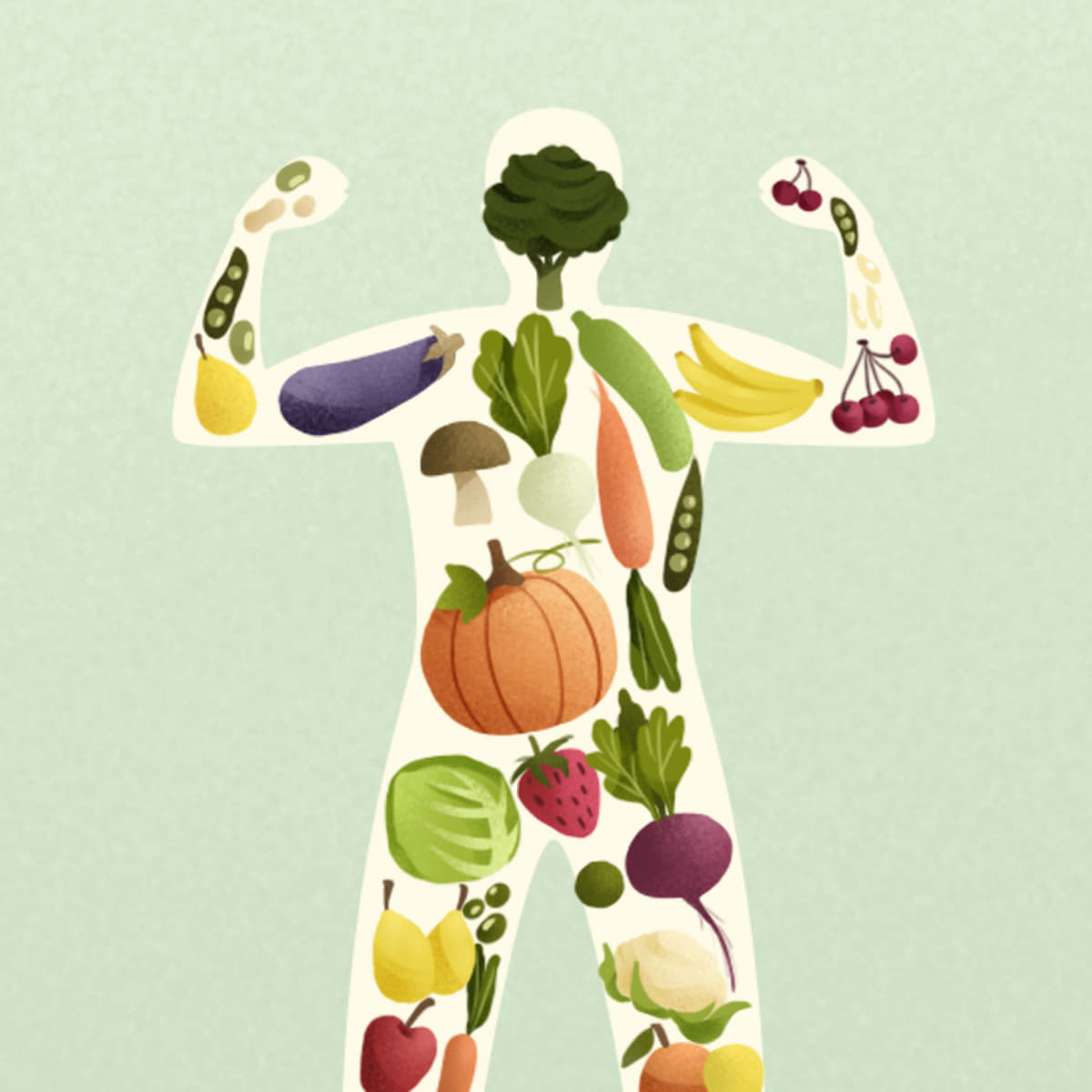
The second section offers actionable steps and specific diet recommendations to help readers prevent and potentially reverse these chronic diseases. It emphasizes a whole-food, plant-based diet, which includes a wide variety of fruits, vegetables, whole grains, legumes, nuts, and seeds. Dr. Greger also provides guidance on which foods to consume in abundance and which to limit for optimal health.
"How Not to Die" also covers other health-related topics such as exercise, weight management, stress reduction, and sleep. Additionally, Dr. Greger discusses the potential benefits of certain foods and how they can improve specific health conditions. He presents scientific research and encourages readers to make informed decisions about their own health.
Overall, the book aims to empower readers with knowledge and practical tips on how to make dietary choices that can improve their overall health and longevity, potentially preventing premature death caused by chronic diseases.
Chapter 2:Author of How Not to Die book
Dr. Michael Greger is a renowned physician, author, and speaker who focuses on a plant-based approach to nutrition and its impact on human health. He is also the founder of NutritionFacts.org, an online platform that provides evidence-based information on various health topics.
Dr. Greger obtained his medical degree from Tufts University School of Medicine and completed his internship at York Hospital in Pennsylvania. He is a certified fellow of the American College of Preventive Medicine and the American College of Nutrition, highlighting his extensive expertise in preventive medicine and nutrition.
His book, "How Not to Die: Discover the Foods Scientifically Proven to Prevent and Reverse Disease," became an instant bestseller upon its release in 2015. In this book, Dr. Greger details the power of plant-based nutrition in preventing and treating common chronic diseases.
Dr. Greger bases his recommendations on the latest scientific research, and his work is often referenced by health professionals, researchers, and individuals seeking to improve their well-being through diet. His engaging speaking style and ability to present complex information in an accessible manner have made him a sought-after guest speaker at conferences and events worldwide.
With his dedication to spreading evidence-based nutrition information, Dr. Greger has become a prominent figure in the field of plant-based nutrition and preventive medicine. His work continues to inspire millions of people to make healthier dietary choices for their long-term well-being.
Chapter 3:why is How Not to Die book worth reading
There are several reasons why How Not to Die by Michael Greger is worth reading:
- Evidence-based information: The book is based on extensive scientific research and evidence. Dr. Greger, a physician and internationally recognized speaker on nutrition, presents the most up-to-date research on the impact of diet on our health. He cites numerous studies and provides references to back up his claims, making it a reliable and trustworthy source of information.
- Practical advice: How Not to Die not only provides information on the diseases that can be prevented through diet but also offers practical advice on implementing these changes into your life. The book includes specific recommendations on what to eat, which foods to avoid, and provides recipes and meal plans to make the transition easier.
- Holistic approach: Dr. Greger takes a holistic approach to health in his book. He emphasizes the importance of whole plant-based foods and encourages readers to focus on a diverse range of fruits, vegetables, whole grains, and legumes. He also discusses the benefits of exercise, stress reduction, and other lifestyle factors that contribute to overall health and longevity.
- Engaging writing style: Despite dealing with scientific research and medical information, Dr. Greger's writing style is engaging and accessible. He presents complex concepts in a clear and understandable manner, making it easy for readers to grasp the information and apply it to their own lives.
- Impactful stories: Throughout the book, Dr. Greger shares powerful stories of individuals who have experienced significant health improvements by adopting the dietary changes he recommends. These personal accounts add an emotional element that can inspire readers to make positive changes in their own lives.
In summary, How Not to Die is worth reading because it provides evidence-based information, practical advice, takes a holistic approach to health, has an engaging writing style, and includes impactful stories that can inspire readers to make healthier choices.
Chapter 4: Books like How Not to Die book
- "The China Study: The Most Comprehensive Study of Nutrition Ever Conducted And the Startling Implications for Diet, Weight Loss, And Long-Term Health" by T. Colin Campbell and Thomas M. Campbell II
- This book explores the connection between diet and disease based on the China-Cornell-Oxford Project, a comprehensive study conducted in China that examined the correlation between dietary choices and health outcomes.
- "The Blue Zones: Lessons for Living Longer From the People Who've Lived the Longest" by Dan Buettner
- This book explores the lifestyles and dietary habits of individuals living in "Blue Zones," regions around the world known for their inhabitants' exceptional longevity. It provides insights into dietary choices and other lifestyle factors that contribute to long, healthy lives.
- "Forks Over Knives: The Plant-Based Way to Health" by Gene Stone
- Based on the documentary of the same name, this book presents scientific evidence supporting the health benefits of a whole-food, plant-based diet. It delves into the connection between diet and chronic diseases, providing practical tips on transitioning to a plant-based lifestyle.
- "Eat to Live: The Amazing Nutrient-Rich Program for Fast and Sustained Weight Loss" by Joel Fuhrman
- Dr. Joel Fuhrman's book focuses on the concept of a nutrient-dense diet for optimizing health and weight loss. It emphasizes the importance of consuming foods that are high in nutrients while limiting processed and animal-based products.
- "How to Prevent and Reverse Heart Disease: The Revolutionary, Scientifically Proven, Nutrition-Based Cure" by Caldwell B. Esselstyn Jr.
- In this book, renowned heart surgeon Dr. Caldwell B. Esselstyn Jr. provides evidence-based guidelines for preventing and reversing heart disease through diet and lifestyle changes. It offers a comprehensive approach to cardiovascular health that aligns with the principles promoted in "How Not to Die."
- "The Plant Paradox: The Hidden Dangers in 'Healthy' Foods That Cause Disease and Weight Gain" by Steven R. Gundry
- Dr. Steven Gundry's book explores the notion of plant toxins and their potential effects on health. While it takes a different perspective on plant-based diets, it raises important considerations about the quality and variety of plant foods consumed.
- "Power Foods for the Brain: An Effective 3-Step Plan to Protect Your Mind and Strengthen Your Memory" by Neal D. Barnard
- Dr. Neal Barnard's book focuses on the relationship between diet and brain health. It provides practical advice on incorporating specific "power foods" into one's diet to enhance cognitive function and reduce the risk of age-related neurological diseases.
- "The Starch Solution: Eat the Foods You Love, Regain Your Health, and Lose the Weight for Good!" by John A. McDougall
- Dr. John McDougall's book emphasizes the importance of a plant-based, starch-centered diet for overall health, weight management, and prevention of chronic diseases. It provides practical guidance on transitioning to a plant-based lifestyle backed by scientific evidence.
- "Whole: Rethinking the Science of Nutrition" by T. Colin Campbell and Howard Jacobson
- T. Colin Campbell, co-author of "The China Study," challenges traditional concepts of nutrition in this book. It explores the impact of food and dietary choices on human health while advocating for whole, unprocessed plant-based foods as the foundation for optimal well-being.
- "How Not to Diet: The Groundbreaking Science of Healthy, Permanent Weight Loss" by Michael Greger
- This follow-up book by Michael Greger focuses specifically on weight loss, providing evidence-backed strategies for achieving and maintaining a healthy weight. It offers practical tips, meal plans, and a detailed understanding of the science behind effective weight loss.