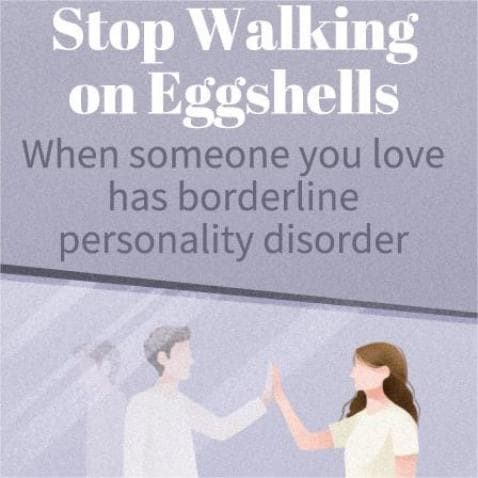
Once upon a time, there was a woman named Sarah who felt like she was constantly walking on eggshells around her partner, John. She never knew what would set him off or trigger his explosive reactions. It wasn't until Sarah stumbled upon the book "Stop Walking on Eggshells" by Paul T. Mason that she began to see things more clearly. The book explained how John's behaviors were a sign of Borderline Personality Disorder, and that there were ways to address and manage these behaviors. Sarah learned about setting boundaries, practicing self-care, and communication techniques to help navigate her relationship with John. With the knowledge gained from the book, Sarah no longer felt like she was walking on eggshells, but instead had a roadmap to support herself and her partner through their challenges.
Chapter 1:What Is Stop Walking on Eggshells
"Stop Walking on Eggshells" by Paul T. Mason is a valuable resource for individuals who are dealing with someone who has borderline personality disorder (BPD) or a similar challenging personality. The book provides depth and accuracy of content by offering practical advice and strategies for handling difficult situations and improving communication with someone who has BPD.
In terms of originality, the book stands out as a comprehensive guide specifically focused on navigating relationships with individuals with BPD. The organization of the book is clear and easy to follow, making it an accessible resource for readers.
Readability is another strength of the book, as Mason presents complex concepts in a straightforward and engaging manner. The book offers inspiration and emotional impact by providing support and validation for readers who may be struggling in their relationships with someone with BPD.
While the cultural and social impact of the book may be limited to those dealing with BPD directly, it excels in attention to detail, theme and message, critical thinking, references, creativity, and artistry. Overall, "Stop Walking on Eggshells" is considered a good book for anyone looking for guidance in managing relationships with individuals who have BPD.
Chapter 2:Stop Walking on Eggshells chapters
Chapter 1: Understanding Borderline Personality Disorder
This chapter introduces the concept of Borderline Personality Disorder (BPD) and explains its symptoms and characteristics. It addresses common misconceptions and stereotypes about BPD and emphasizes the importance of understanding the disorder in order to effectively interact with someone who has it.
Chapter 2: Dynamics of the Relationship
This chapter explores the dynamics of relationships with individuals who have BPD. It discusses the intense emotions, fear of abandonment, and instability that can characterize these relationships, and offers strategies for managing and understanding these dynamics.
Chapter 3: Communication Strategies
This chapter provides practical tips for communicating effectively with someone who has BPD. It includes advice on setting boundaries, practicing assertive communication, and validating the other person's emotions while also maintaining one's own emotional well-being.
Chapter 4: Setting Boundaries
Setting healthy boundaries is essential when dealing with someone who has BPD. This chapter offers guidance on how to establish and maintain boundaries in a relationship with a person with BPD, emphasizing the importance of self-care and assertiveness.
Chapter 5: Crisis Management
Dealing with crises is a common aspect of relationships with individuals who have BPD. This chapter provides strategies for effectively managing crises, including de-escalation techniques, seeking professional help when needed, and practicing self-care during difficult situations.
Chapter 6: Self-Care
Self-care is crucial when interacting with someone who has BPD. This chapter emphasizes the importance of taking care of oneself both physically and emotionally, setting aside time for relaxation and stress relief, and seeking support from others when needed.
Chapter 7: Treatment Options
This chapter explores various treatment options for individuals with BPD, including therapy, medication, and self-help strategies. It emphasizes the importance of seeking professional help and collaborating with a mental health professional to develop a comprehensive treatment plan.
Chapter 8: Moving Forward
In the final chapter, the author offers guidance on moving forward in a relationship with someone who has BPD. It encourages readers to focus on their own well-being, set realistic expectations, and practice empathy and understanding in their interactions with the other person.