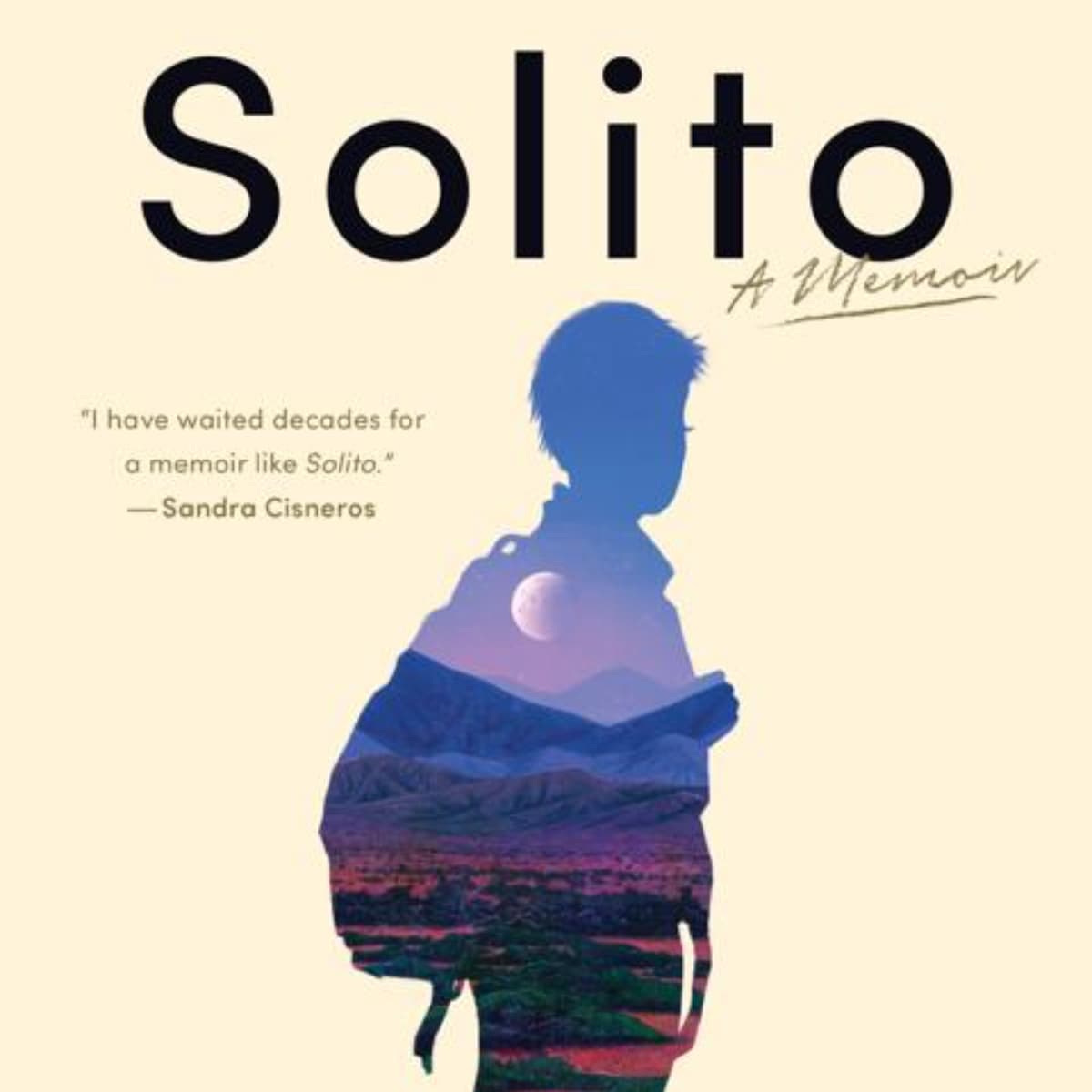
In "Solito," Javier Zamora weaves a poignant tale of resilience and hope, chronicling his harrowing journey from El Salvador to the United States as a child. Surrounded by violence and desperation, young Javier embarks on a perilous trek through treacherous landscapes, a quest driven by the dream of safety and belonging. As he navigates the dark realities of migration—grappling with fear, loneliness, and the stark realities of exploitation—Zamora illuminates the strength of the human spirit. Each encounter shapes his understanding of family, identity, and sacrifice, painting a vivid portrait of the immigrant experience. Through lyrical prose and rich imagery, "Solito" not only tells a story of survival but urges readers to confront the systemic injustices faced by countless migrants. In Javier's journey, we find a universal quest for home, belonging, and dignity that resonates far beyond borders.
1 Solito chapters
"Solito" by Javier Zamora is a powerful memoir that recounts the author's harrowing journey as a young boy from El Salvador to the United States. The narrative centers on themes of migration, identity, and the search for safety and belonging.
Zamora's story begins when he is just nine years old, as he embarks on an arduous and dangerous trek to reunite with his parents who have already migrated. Throughout the memoir, he details the various challenges he faces, including encounters with gangs, discrimination, and the physical and emotional toll of the journey. The book reflects the resilience and courage of those who are forced to leave their homes in search of a better life.
Through vivid imagery and poignant storytelling, Zamora highlights the human aspect of migration, drawing attention to the complex realities faced by many immigrants. Overall, "Solito" is a moving exploration of family, survival, and the longing for a place to call home.

2 Detailed Chapter Review of Solito by Javier Zamora
In "Solito" by Javier Zamora, each chapter chronicles the harrowing journey of a young boy fleeing violence in El Salvador, and the themes of migration, resilience, and identity are intricately woven throughout. For instance, in the opening chapters, Zamora vividly depicts the dangers faced during the initial stages of migration, capturing the fear and uncertainty that accompany leaving one’s homeland. These early experiences set the tone for the emotional intensity of the journey, highlighting the desperation that drives families apart. Zamora's evocative language underscores the bonds of family, as moments of nostalgia and yearning for home contrast sharply with the harsh realities of life on the run.
As the narrative progresses, later chapters delve deeper into the relationships formed along the journey, such as the camaraderie amongst fellow migrants, which illustrates the theme of solidarity amidst adversity. For example, when Zamora describes the temporary shelter and shared meals, these moments reflect a sense of community that emerges despite the grim circumstances. The chapter's focus shifts to the strength found in shared experiences, reinforcing the idea that migration is not only a physical journey but also a transformational process that shapes one's identity and resilience. Ultimately, Zamora’s poignant storytelling highlights how the struggle for a better life is intertwined with the search for belonging and the redefinition of self in the face of overwhelming odds.

Book Summary Audio https://www.bookey.app/audiobook/solito
Youtube https://www.youtube.com/watch?v=zlQpqmVIwbc
Amazon https://www.amazon.com/Solito-Memoir-Javier-Zamora/dp/0593498062
Goodreads https://www.goodreads.com/book/show/59900688-solito