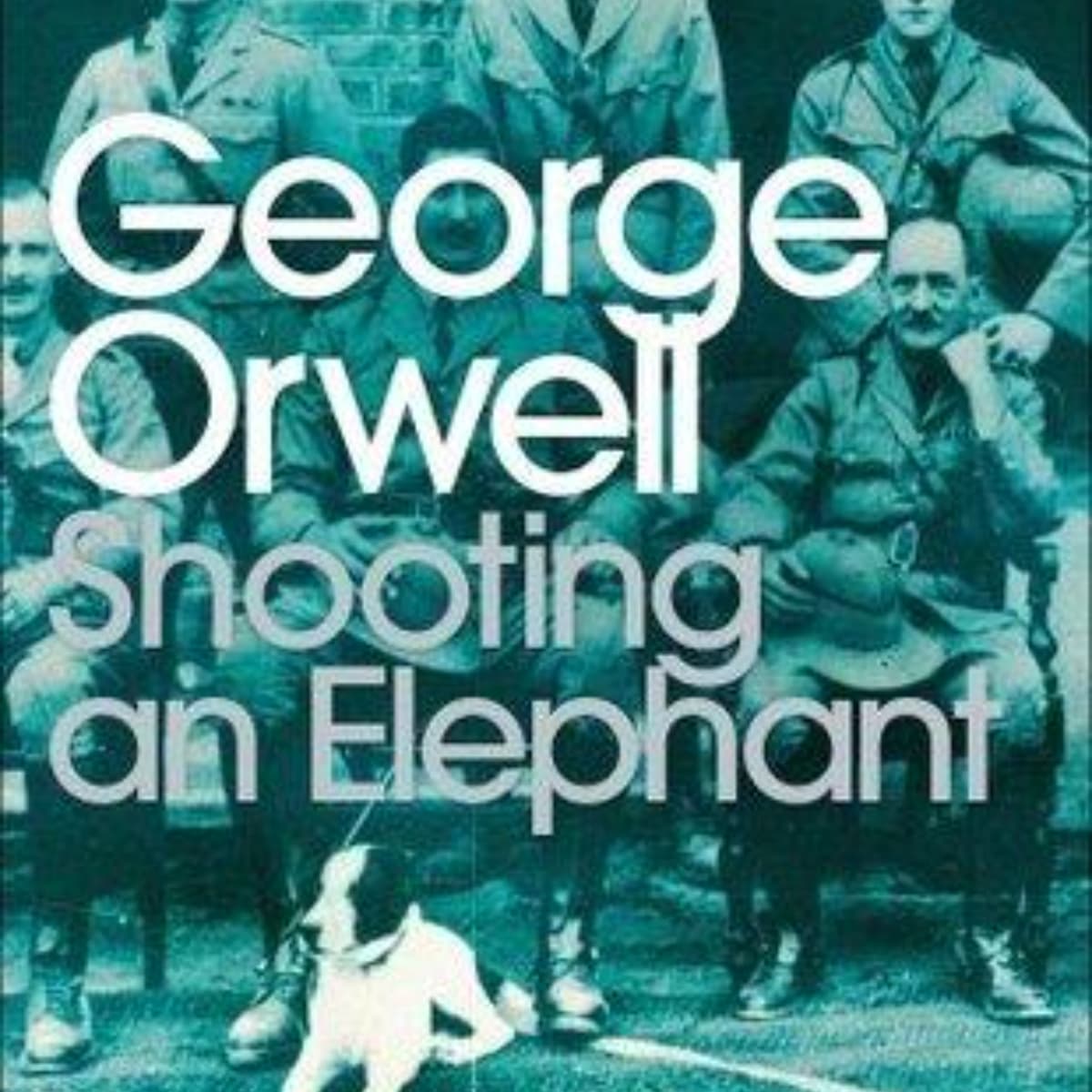
In George Orwell’s poignant essay "Shooting an Elephant," the author finds himself in a moral quandary when summoned to subdue a rogue elephant in colonial Burma. As a British police officer, he grapples with the oppressive weight of colonial authority and the expectations of the Burmese people, who anticipate a show of power. The elephant, once a majestic symbol of strength, becomes a reflection of Orwell’s internal conflict between duty and compassion. He hesitates, recognizing that the act of shooting the elephant is less about necessity and more about the performative nature of imperialism. In a moment of turmoil, he pulls the trigger, highlighting the destructive consequences of societal pressure and the loss of individuality. Orwell ultimately exposes the paradox of power: that those in authority often become prisoners of their own roles, revealing the complexities of colonialism and the human condition.
1:Shooting an Elephant chapters
"Shooting an Elephant" by George Orwell is an essay that explores themes of imperialism, morality, and the complexities of human behavior in the context of colonial rule. The narrative is set in colonial Burma, where Orwell, as a British colonial officer, grapples with the expectations placed upon him by the imperial system.
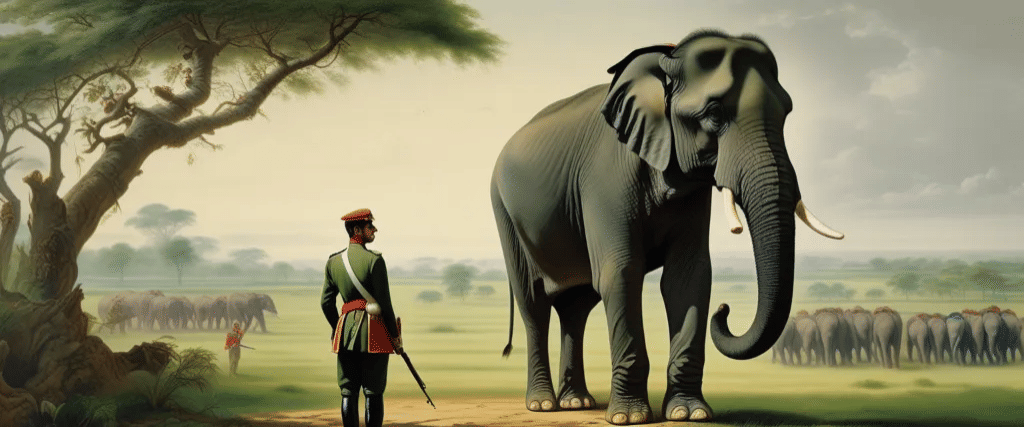
The main content revolves around an incident in which Orwell is called to handle an elephant that has gone rogue. As he approaches the situation, he is torn between his personal feelings against violence and the pressure to assert authority in front of a large crowd of locals. The elephant symbolizes the burden of imperialism, representing both the power and the futility of colonial rule. Ultimately, Orwell decides to shoot the elephant, an act that leads to feelings of guilt and regret.
Through this experience, the essay critiques the moral ambiguities of imperialism, highlighting how it dehumanizes both the colonized and the colonizer, forcing individuals to act against their moral beliefs to maintain the façade of power. The essay serves as a powerful commentary on the contradictions and ethical dilemmas inherent in colonialism.

2:Detailed Chapter Review of Shooting an Elephant by George Orwell
"Shooting an Elephant" by George Orwell is a powerful essay rather than a traditional multi-chapter book, yet it can be analyzed in thematic segments based on its narrative flow. The essay's primary theme revolves around the conflict between individual morality and societal expectations. In the opening sections, Orwell describes the tension he feels as a British colonial officer in Burma, illustrating the internal struggle between his personal beliefs and the pressure to conform to the expectations of the local populace and imperial authorities. For instance, Orwell recounts the resentment he experiences from the Burmese people due to his role, highlighting the alienation and moral dilemma he faces in enforcing colonial rule despite his disdain for imperialism.
As the narrative progresses, the climax centers around the incident of the elephant and its symbolic representation of British imperialism. When Orwell is compelled to shoot the elephant to maintain his authority and appease the crowd, it epitomizes the loss of individuality and moral integrity to the demands of societal expectations. He reflects on the irony of the situation, recognizing that by yielding to the pressures of others, he betrays his own principles. The final act of shooting the elephant serves as a poignant metaphor for the destructive nature of colonialism, not only on the oppressed but also on the oppressor, underscoring the central theme of the individual's ethical conflict within the framework of imposed authority.
Book https://www.bookey.app/book/shooting-an-elephant
Author https://www.bookey.app/quote-author/george-orwell
Quotes https://www.bookey.app/quote-book/shooting-an-elephant
YouTuBe https://www.youtube.com/watch?v=t2BrCJL3QLs
Amazon https://www.amazon.com/Shooting-Elephant-George-Orwell/dp/0141187395
Goodreads https://www.goodreads.com/book/show/30557.Shooting_an_Elephant