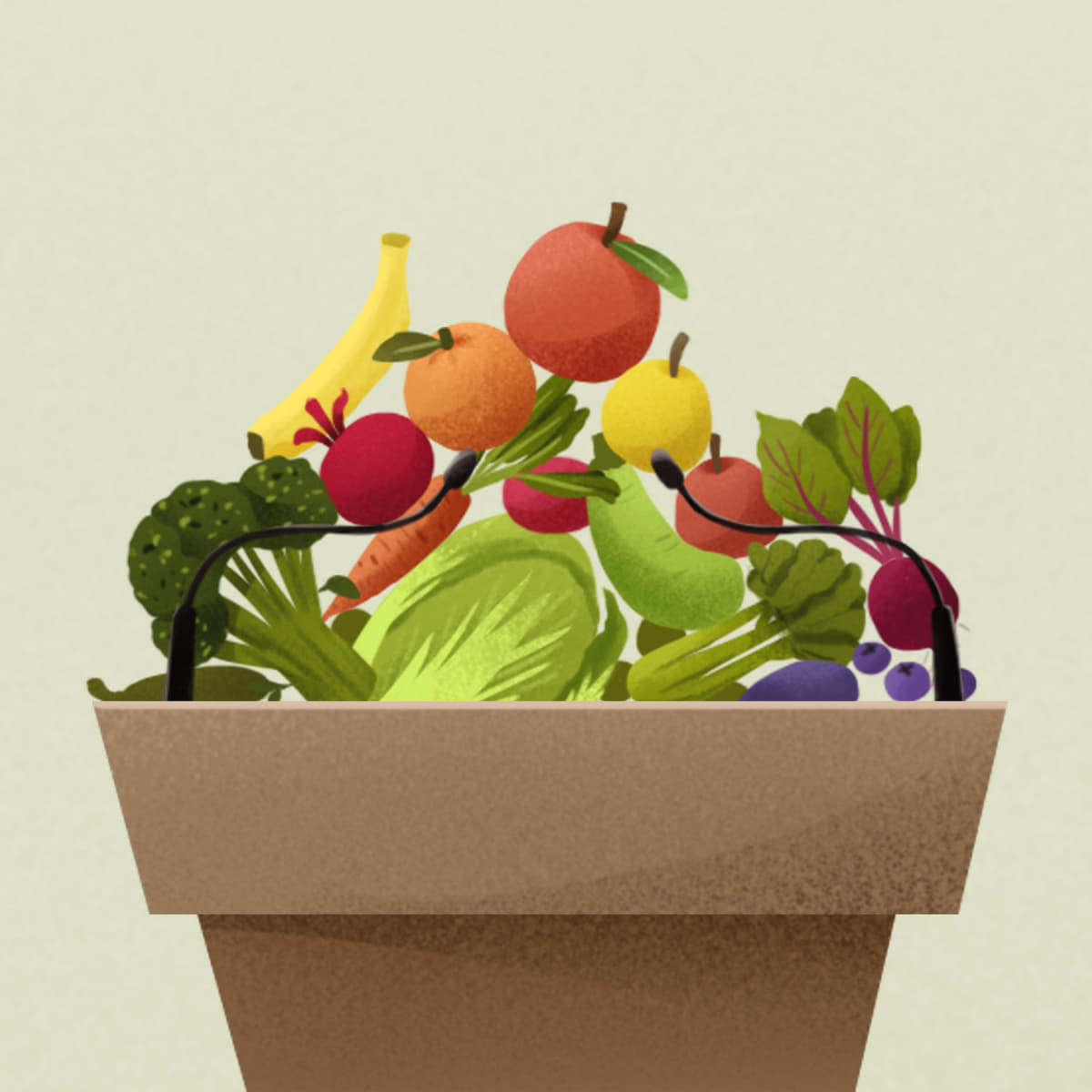
Chapter 1:what is In Defense Of Food about
In Defense of Food by Michael Pollan is a non-fiction book that explores the relationship between what we eat and our overall health. It challenges the dominant ideology of nutritionism, which focuses on individual nutrients rather than whole foods. Pollan argues that the Western diet, characterized by highly processed foods and synthetic additives, is responsible for the rise of chronic diseases such as obesity, diabetes, and heart disease.
The book provides guidance on how to make healthier food choices by following a few simple principles, such as "Eat food. Not too much. Mostly plants." Pollan encourages readers to prioritize whole, unprocessed foods, and to focus on the quality and diversity of their diets. He suggests avoiding highly processed foods that contain long lists of unfamiliar ingredients.
Additionally, Pollan delves into the industrialization of food production, the influence of advertising on our food choices, and the role of food corporations in shaping our diets. He advocates for a return to a more traditional way of eating, one that is based on whole foods, home-cooked meals, and a connection to where our food comes from.
Overall, In Defense of Food aims to educate and empower readers to take control of their own health and nutrition by reevaluating their approach to food. It provides a critical examination of our modern food system and offers practical advice on how to eat more healthily in a complex food environment.
Chapter 2:Author of In Defense Of Food
Michael Pollan is an American author, journalist, and professor who is best known for his work on the topics of food, agriculture, and the environment. He was born on February 6, 1955, in Long Island, New York. Pollan has written several critically acclaimed books, including "The Omnivore's Dilemma," "In Defense of Food," and "Food Rules."
"In Defense of Food: An Eater's Manifesto" is one of Pollan's most influential works. Published in 2008, the book explores the idea of what it means to have a healthy diet in today's industrialized food system. Pollan argues against the prevailing dietary advice that focuses on counting nutrients and instead encourages people to return to a more traditional and balanced approach to eating. He advocates for eating real, whole foods and emphasizes the importance of cooking and preparing meals at home.
Pollan's writing often challenges the dominant food industry and encourages consumers to be more aware of the origins and processing of the food they eat. He is known for his investigative journalism and thorough research, often immersing himself in the subjects he writes about. His work has made a significant impact on the public's understanding of food and has inspired many to reconsider their own dietary choices.
In addition to his writing, Pollan is a professor of journalism at the University of California, Berkeley, where he teaches courses on food, culture, and the environment. He has been recognized with numerous awards for his contributions to literature and journalism, including the James Beard Award and the National Magazine Award.
Overall, Michael Pollan is a highly influential author who has made significant contributions to the field of food and agriculture. His insightful writing and thought-provoking ideas continue to shape the way we think about and consume food.
Chapter 3:why is In Defense Of Food worth reading
Firstly, the book explores the complex and often confusing world of food and nutrition. Pollan breaks down the various food ideologies prevailing today, from the low-fat and low-carb diets to the rise of superfoods and supplements. He provides valuable insights into why these diets might not be as beneficial as they claim to be and offers a more balanced approach to healthy eating.
Secondly, Pollan's writing style is engaging and accessible. He uses storytelling and personal anecdotes to illustrate his arguments, making it easy for readers to understand and relate to the concepts he presents. The book is not a dry or technical analysis but rather an enjoyable read that can be appreciated by both experts and those with limited knowledge of the subject.
Thirdly, Pollan emphasizes the importance of focusing on whole, real foods as the foundation of a healthy diet. His mantra, "Eat food. Not too much. Mostly plants," encapsulates the central message of the book. He encourages readers to consume minimally processed, unadulterated foods, and to prioritize fruits, vegetables, and whole grains. This simple and practical advice is more about shifting towards a more sustainable and healthy eating habit than adhering to a rigid diet plan.
Lastly, "In Defense of Food" promotes a more mindful and conscious approach to eating. Pollan highlights the cultural and social aspects of food, advocating for the enjoyment and appreciation of meals rather than simply viewing them as a means to fuel our bodies. By reconnecting with the way we eat and understanding the origins of our food, Pollan argues that we can make better choices for our health, the environment, and our communities.
Overall, "In Defense of Food" is worth reading because it challenges conventional wisdom surrounding food and nutrition, offers practical advice for healthier eating habits, and encourages readers to reevaluate their relationship with food.
Chapter 4: Books like In Defense Of Food
- The Omnivore's Dilemma: A Natural History of Four Meals by Michael Pollan - This is another popular book by Michael Pollan that explores the industrialized food system and its implications on our health, the environment, and animal welfare.
- Salt, Sugar, Fat: How the Food Giants Hooked Us by Michael Moss - In this book, Michael Moss delves into the food industry and its manipulation of our taste buds through excessive use of salt, sugar, and fat, leading to widespread health problems.
- Fast Food Nation: The Dark Side of the All-American Meal by Eric Schlosser - This investigative book explores the fast food industry's impact on American society, covering topics ranging from the exploitation of workers to the unhealthy nature of fast food.
- Cooked: A Natural History of Transformation by Michael Pollan - In "Cooked," Michael Pollan explores the transformative power of preparing food and covers the four elements of cooking: fire, water, air, and earth.
- Food Rules: An Eater's Manual by Michael Pollan - This is a short and practical guide that offers straightforward advice on how to make better food choices and establish healthier eating habits.
- The Way We Eat: Why Our Food Choices Matter by Peter Singer and Jim Mason - Written by ethicist Peter Singer and journalist Jim Mason, this book explores the ethical dilemmas surrounding our food choices, including factory farming, sustainable agriculture, and animal welfare.
- The End of Food by Paul Roberts - Paul Roberts provides a critical examination of the global food system, exploring issues such as overproduction, genetic engineering, and the depletion of natural resources.
- Animal, Vegetable, Miracle: A Year of Food Life by Barbara Kingsolver - Barbara Kingsolver documents her family's journey to live solely on locally sourced and seasonal food for an entire year, exploring the connections between food, community, and the environment.
- Eating Animals by Jonathan Safran Foer - In this philosophical memoir, Jonathan Safran Foer explores the ethical considerations of eating meat and provides a comprehensive examination of factory farming practices.
- The Dorito Effect: The Surprising New Truth About Food and Flavor by Mark Schatzker - This book explores how the modern food industry has prioritized flavor over nutrition, leading to the creation of highly processed and addictive foods. The author investigates the downfall of natural flavors and the rise of artificial ones.