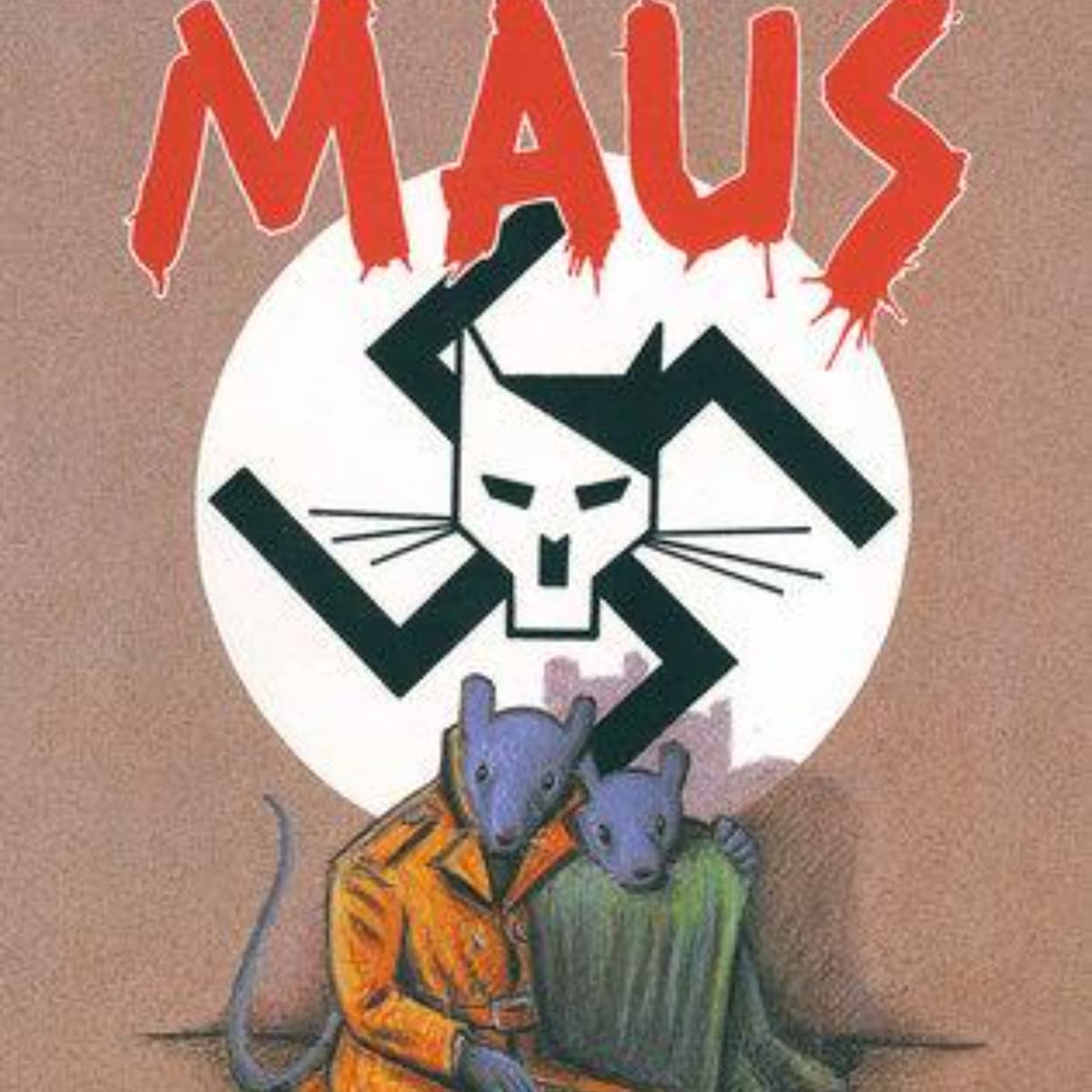
In the graphic novel Maus I, Art Spiegelman masterfully intertwines the personal and historical to explore the enduring impact of the Holocaust on survivors and their families. The narrative unfolds through the lens of Vladek Spiegelman, a Polish Jew, who recounts his harrowing experiences during World War II. As he navigates the horrors of concentration camps, the story reveals the complex relationships between victims, perpetrators, and the scars left behind.
Spiegelman vividly illustrates this tumultuous past using anthropomorphic characters—Jews as mice and Nazis as cats—creating a haunting yet poignant metaphor on power dynamics and survival. Through Vladek's tales of resilience and trauma, readers are compelled to confront the painful legacy of oppression and the burden of memory. In this poignant narrative, Maus I becomes not just a story of survival, but a testament to the importance of understanding history to ensure it never repeats itself.
1:Maus I chapters
"Maus I: My Father Bleeds History" by Art Spiegelman is a graphic novel that tells the harrowing story of the Holocaust through the experiences of the author's father, Vladek Spiegelman, a Polish Jew and Holocaust survivor. The narrative is framed within a complex structure that intertwines Vladek's past during World War II with Art's present-day relationship with his father.
The overall theme of "Maus I" revolves around the trauma of survival and the lasting impacts of the Holocaust on both survivors and their families. It explores the guilt, memory, and identity that shape Vladek's life after the war, as well as the challenges Art faces in understanding his father's experiences and the legacy of trauma.
The main content includes Vladek's recounting of his life before, during, and after his time in Auschwitz, highlighting the brutal realities of survival, the dehumanization experienced by Jews, and the complex dynamics of familial relationships. The use of anthropomorphic characters—Jews are depicted as mice, Germans as cats, and Poles as pigs—adds a unique visual metaphor to the narrative, emphasizing the predator-prey relationship during the Holocaust.
Overall, "Maus I" is a profound exploration of memory, loss, and the struggle to come to terms with the past, presenting a deeply personal account of historical events while grappling with universal themes of suffering and resilience.

2 Detailed Chapter Review of Maus I by Art Spiegelman
Maus I by Art Spiegelman unfolds across several interconnected chapters, each contributing to the overarching theme of survival and the complexities of memory within the Holocaust narrative. In the first chapter, "The Sheik," we witness Vladek Spiegelman's struggles to adapt to life after Auschwitz while also caring for his ailing wife, which highlights the lingering trauma of his past. The use of anthropomorphic characters—Jews as mice and Nazis as cats—symbolizes the predator-prey relationship during the Holocaust, intensifying the emotional weight of survival. Similarly, the second chapter, "The Misfit," delves into Vladek's memories of his early life in Poland, portraying his resourcefulness and grit as he navigates a hostile environment. The stark juxtaposition between present-day interactions and past experiences underlines the theme of how trauma persists across generations.
As the story progresses into chapters like "The Noose Tightens," the weight of systemic persecution becomes palpable. Vladek's recollections of the increasing restrictions faced by Jews in Poland build a sense of impending doom, reflecting the gradual loss of freedom and humanity. The chapter emphasizes how memories of survival shape Vladek's present behavior, illustrating the psychological scars left by the Holocaust. In this way, each chapter of Maus I not only captures unique aspects of Vladek's experiences but also collectively reinforces the book's exploration of the trauma that survivors endure and the impact of history on personal identity. The interplay between the past and present ensures that the themes of resilience and the haunting nature of memory resonate throughout Spiegelman's poignant narrative.
Book Summary Audio Bookey https://www.bookey.app/audiobook/maus-i
Youtube https://www.youtube.com/watch?v=kM3XMsLayxs
Amazon https://www.amazon.com/Maus-Survivors-Father-Bleeds-History/dp/0394747232