Chapter 1 What's Unconditional Parenting
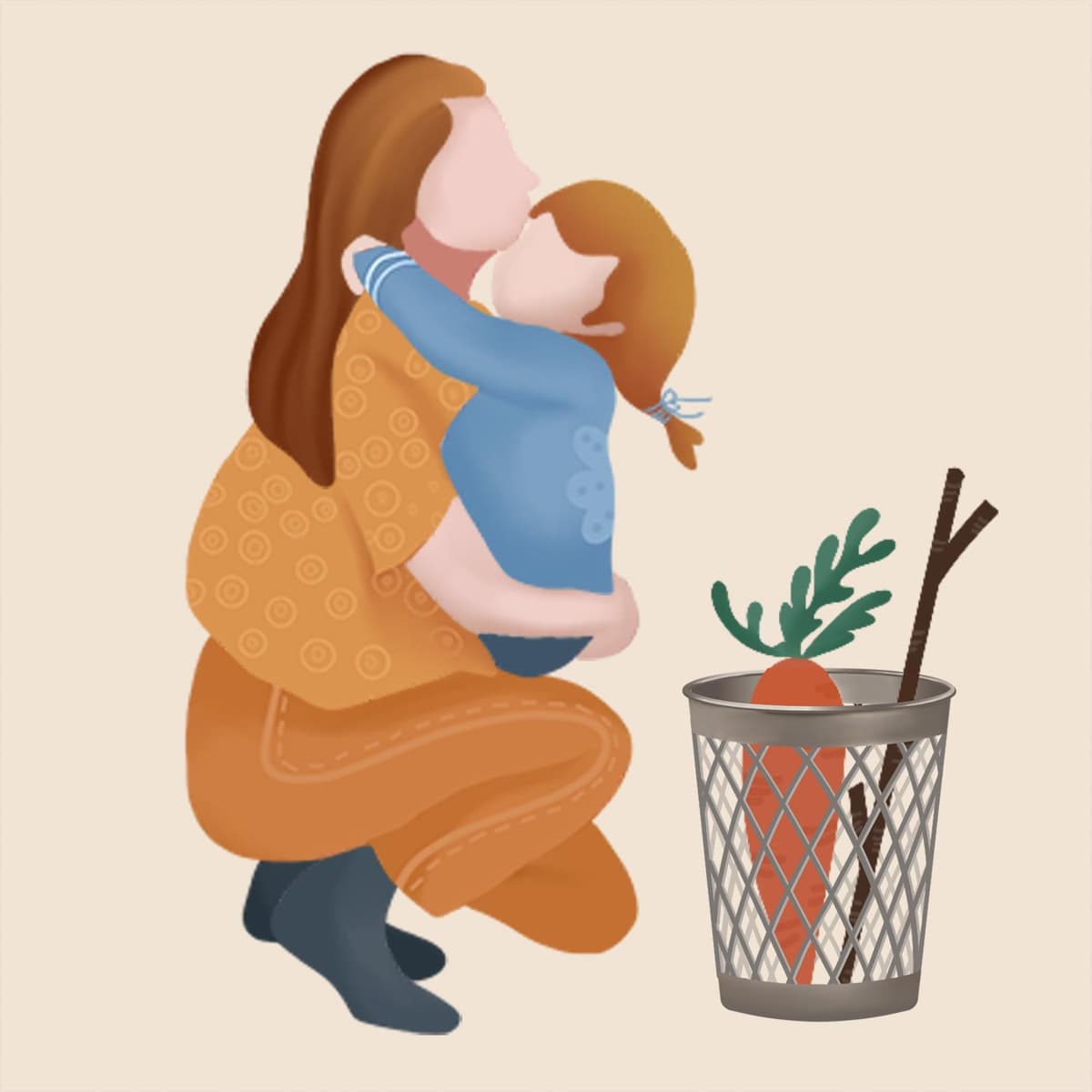
"Unconditional Parenting: Moving from Rewards and Punishments to Love and Reason" is a book written by Alfie Kohn, an American author and lecturer on education, parenting, and human behavior. Published in 2005, the book challenges traditional parenting techniques, such as using rewards and punishments, and instead advocates for a more compassionate and empathetic approach.
Kohn argues that unconditional parenting involves understanding and respecting children's feelings, needs, and individuality without resorting to controlling behaviors. He emphasizes the importance of fostering intrinsic motivation and autonomy in children, rather than relying on external motivators like praise or punishment.
Unconditional parenting encourages parents to:
- Shift the focus from obedience to cooperation: Instead of seeking compliance from children, parents should focus on building a cooperative relationship based on mutual respect and understanding.
- Avoid punishments and rewards: Kohn argues that punishments and rewards undermine a child's intrinsic motivation and moral development. He suggests that parents should work towards creating an environment where children's cooperation and responsible behavior arise naturally.
- Encourage problem-solving and empathy: Rather than imposing decisions on children, parents should involve them in problem-solving processes and teach them empathy and understanding.
- Emphasize communication and negotiation: Unconditional parenting promotes open and respectful communication between parents and children. It encourages parents to listen to their children's perspectives and involve them in family decision-making whenever appropriate.
Overall, "Unconditional Parenting" challenges conventional parenting wisdom and encourages parents to adopt a more empathetic and understanding approach, focusing on fostering their children's autonomy, intrinsic motivation, and emotional well-being.
Chapter 2 Is Unconditional Parenting recommended for reading?
Opinions on books can vary, but "Unconditional Parenting" by Alfie Kohn is generally regarded as a thought-provoking and insightful book. Kohn challenges traditional parenting methods and advocates for a more empathetic and supportive approach. Many readers appreciate the book for its alternative perspective and the ideas it presents. However, it is essential to note that parenting styles and philosophies vary, so what works for one person may not work for another. It ultimately depends on your personal parenting beliefs and goals.
Chapter 3 Unconditional Parenting Summary
"Unconditional Parenting" by Alfie Kohn is a book that challenges traditional methods of parenting and offers a new approach that emphasizes unconditional love, trust, and respect for children. Kohn argues that parents should move away from using rewards and punishments as a means of controlling children's behavior and instead focus on developing healthy relationships based on empathy and understanding.
One of the main ideas presented in the book is that conditional parenting, which involves using rewards and punishments to manipulate children's behavior, is ultimately harmful and ineffective. Kohn argues that these methods undermine children's intrinsic motivation and self-esteem, leading to a lack of genuine self-discipline and a dependence on external approval.
Instead, Kohn advocates for an approach called "unconditional parenting," which is centered around building a strong parent-child relationship based on trust, respect, and empathy. This approach entails listening to children, acknowledging their emotions, and involving them in decision-making processes.
Kohn also challenges the notion of using praise as a means to boost children's self-esteem. He argues that constant praise can actually be detrimental, as it leads children to become dependent on external validation and can hinder their ability to develop a genuine sense of self-worth.
Furthermore, Kohn explores the impact of competition and comparison on children's development, suggesting that parents should refrain from comparing their children to others and focus instead on supporting their individual strengths and interests.
Throughout the book, Kohn provides numerous examples and practical suggestions for implementing the principles of unconditional parenting in everyday parenting situations. He also addresses common concerns and objections that parents may have about this approach.
Overall, "Unconditional Parenting" challenges conventional parenting strategies and encourages parents to embrace a more empathetic and respectful approach, ultimately fostering stronger parent-child relationships and promoting children's intrinsic motivation and well-being.
Chapter 4 Meet the Writer of Unconditional Parenting
The author of the book "Unconditional Parenting" is Alfie Kohn. He released the book in 2005. Alfie Kohn is a renowned author, lecturer, and expert on human behavior, education, and parenting.
In addition to "Unconditional Parenting," Alfie Kohn has written several other books. Some of his notable works include:
- "Punished by Rewards: The Trouble with Gold Stars, Incentive Plans, A's, Praise, and Other Bribes" (1993) - This book challenges traditional practices of rewards and punishments in parenting, education, and workplaces.
- "The Myth of the Spoiled Child: Challenging the Conventional Wisdom about Children and Parenting" (2014) - Through this book, Kohn challenges common assumptions about raising children and explores alternatives to strict discipline.
- "Beyond Discipline: From Compliance to Community" (1996) - In this book, Kohn discusses alternatives to traditional discipline and promotes a more cooperative approach.
- "The Homework Myth: Why Our Kids Get Too Much of a Bad Thing" (2006) - Kohn questions the effectiveness of homework and provides evidence to support his arguments against excessive homework assignments.
Among these books, "Unconditional Parenting" and "Punished by Rewards" are considered some of Kohn's most influential works. Both books have had multiple editions, with "Unconditional Parenting" having both hardcover and paperback editions. However, the exact number of editions and the best in terms of popularity or critical acclaim may vary. It is recommended to refer to specific publishing sources or book databases to gain further information on the editions and popularity of each book.
Chapter 5 Unconditional Parenting Meaning & Theme
Unconditional Parenting Meaning
The book "Unconditional Parenting" by Alfie Kohn challenges traditional parenting approaches and offers an alternative perspective on raising children. Kohn argues against the use of rewards and punishments in parenting and suggests that unconditional love and acceptance are fundamental to supporting children's development and well-being.
The main idea behind "Unconditional Parenting" is that children should not have to earn love, respect, or acceptance from their parents through compliance with rules or expectations. Kohn believes that unconditional love means accepting and supporting children exactly as they are, without imposing conditions or expectations.
Kohn suggests that traditional parenting practices, such as rewards and punishments, focus primarily on controlling children's behavior rather than considering their emotional needs. He argues that these methods can be detrimental to children's self-esteem, motivation, and overall development.
Instead, Kohn encourages parents to approach discipline and guidance from a perspective of understanding and connection. He emphasizes the importance of open communication, empathy, and collaboration in building healthy parent-child relationships.
According to Kohn, unconditional parenting involves:
- Recognizing and respecting children's autonomy and individuality.
- Listening to and understanding children's needs and emotions.
- Engaging in open and honest communication with children.
- Fostering empathy and compassion.
- Creating an environment that encourages children to make choices and learn from their experiences.
- Challenging traditional parenting practices, such as rewards and punishments, and finding alternative approaches.
- Emphasizing cooperation and collaboration rather than control.
- Seeing the parent-child relationship as a partnership rather than as a power dynamic.
Overall, "Unconditional Parenting" promotes a parenting style that focuses on building strong emotional connections, fostering children's self-esteem and intrinsic motivation, and empowering them to become independent, responsible individuals.
Unconditional Parenting Theme
The theme of "Unconditional Parenting" by Alfie Kohn is centered around the idea that traditional parenting methods, which often involve control, rewards, and punishment, are ultimately counterproductive and harmful to children's development.
Kohn argues that many parents use conditional love and approval as a means of controlling their children's behavior. They often use rewards and punishments to shape their children's actions, encouraging compliance and obedience. However, according to Kohn, this approach fails to nurture children's intrinsic motivation, critical thinking skills, and self-esteem.
The theme of the book emphasizes the importance of providing unconditional love, support, and respect to children. Kohn believes that offering children autonomy, trust, and understanding is crucial for their growth and well-being. He encourages parents to move away from the traditional hierarchical parent-child relationship and instead develop a partnership based on mutual respect, collaboration, and open communication.
The book deep dives into various topics like discipline, praise, punishment, rewards, and the effect they have on children's behavior and development. Kohn challenges the notion that children need to be controlled and taught compliance through external motivators. He suggests that children are more likely to develop desirable behaviors and values when they are treated with respect and given the freedom to make choices and deal with the consequences.
Overall, the theme of "Unconditional Parenting" advocates for a shift in parenting philosophy, urging parents to move away from controlling and conditional approaches and embrace a more nuanced and compassionate style that focuses on building relationships, autonomy, and fostering intrinsic motivation.
Chapter 6 Various Alternate Resources
- Publisher's Website: The official website of the book, Unconditional Parenting, offers information about the author, reviews, excerpts, and purchasing options.
- Amazon: The book can be easily found and purchased on Amazon, and the platform also offers customer reviews and ratings.
- Goodreads: Goodreads provides a platform for book enthusiasts to discuss, review, and rate Unconditional Parenting. Users can also find related quotes, discussions, and author information.
- YouTube: Searching for "Unconditional Parenting Alfie Kohn" on YouTube will yield numerous videos featuring the author discussing key concepts and ideas from the book.
- TED Talks: Alfie Kohn has delivered a TED Talk titled "The Case Against Rewards and Punishments" which is closely related to the philosophy of Unconditional Parenting.
- Podcasts: Various podcasts, such as "The Unruffled Podcast" or "The Parent As Coach Approach" have featured episodes discussing the principles and ideas from Unconditional Parenting.
- Blogs: Many parenting bloggers have written articles and blog posts exploring the concepts presented in Unconditional Parenting. Some notable blogs include Aha! Parenting, Janet Lansbury - Elevating Child Care, and Mindful Mama.
- Social Media: Alfie Kohn has an active presence on social media platforms like Twitter and Facebook, where he regularly shares articles, resources, and updates related to his work, including Unconditional Parenting.
- Academic Databases: Scholars and researchers interested in the topic may find academic papers, studies, or critical reviews related to Unconditional Parenting through databases like JSTOR, Google Scholar, or PsycInfo.
- Local Libraries: Check your local library for physical copies of Unconditional Parenting or e-book versions available for borrowing. Libraries also often offer access to digital platforms like OverDrive or Libby, where you can borrow e-books or audiobooks.
Chapter 7 Quotes of Unconditional Parenting
Unconditional Parenting quotes as follows:
- "Children are human beings to be met, not problems to be solved."
- "The way we treat children matters, not just because it can shape who they become but because it is who they are right now."
- "When children feel seen and truly heard, it frees them to attend to us and to themselves more fully. They don’t need to demand our attention as much, because they’re getting plenty of it."
- "The more kids experience conditional parenting - with its requirements, prizes, and punishments - the more they learn to guard their own interests."
- "Replace control with connection, and compliance gives way to cooperation."
- "The goal of education is not to get your child to memorize the right answer; it’s to get your child to welcome inquisitiveness and questioning."
- "Don’t raise your voice, improve your argument and earn your child’s respect."
- "The ultimate goal is to help children feel good because they trust and value themselves."
- "Praise may be a halfway point between a whipping and real recognition."
- "It is easy to spot a child who has been raised by conditional parenting. The child will always be asking for approval, always be waiting for someone to say 'good job.'"
Chapter 8 Books with a Similar Theme as Unconditional Parenting
- "Parenting From the Inside Out" by Daniel J. Siegel and Mary Hartzell
This book explores the connection between a parent's own emotional well-being and their ability to effectively parent their children. It provides valuable insights and strategies for cultivating self-awareness and fostering a secure attachment with your child.
- "How to Talk So Kids Will Listen & Listen So Kids Will Talk" by Adele Faber and Elaine Mazlish
This classic parenting guide offers practical communication techniques that promote cooperation and understanding between parents and children. It emphasizes the importance of validating children's feelings and using active listening to resolve conflicts peacefully.
- "The Whole-Brain Child: 12 Revolutionary Strategies to Nurture Your Child's Developing Mind" by Daniel J. Siegel and Tina Payne Bryson
This book introduces scientifically-backed strategies for stimulating your child's brain development and promoting emotional intelligence. It offers practical advice on how to integrate brain science into everyday parenting, enhancing your child's ability to handle stress, regulate emotions, and form healthy relationships.
- "No-Drama Discipline: The Whole-Brain Way to Calm the Chaos and Nurture Your Child's Developing Mind" by Daniel J. Siegel and Tina Payne Bryson
Building on the principles presented in "The Whole-Brain Child," this book provides further guidance on discipline techniques that foster empathy, understanding, and self-regulation in children. It offers practical methods to redirect misbehavior without resorting to punishment or power struggles.
- "Simplicity Parenting: Using the Extraordinary Power of Less to Raise Calmer, Happier, and More Secure Kids" by Kim John Payne and Lisa M. Ross
This book advocates for simplifying and decluttering children's lives to reduce stress and increase well-being. It offers practical suggestions on creating daily rhythms, simplifying schedules, and protecting childhood from excessive consumerism and media exposure, all in an effort to foster a more peaceful, connected family life.