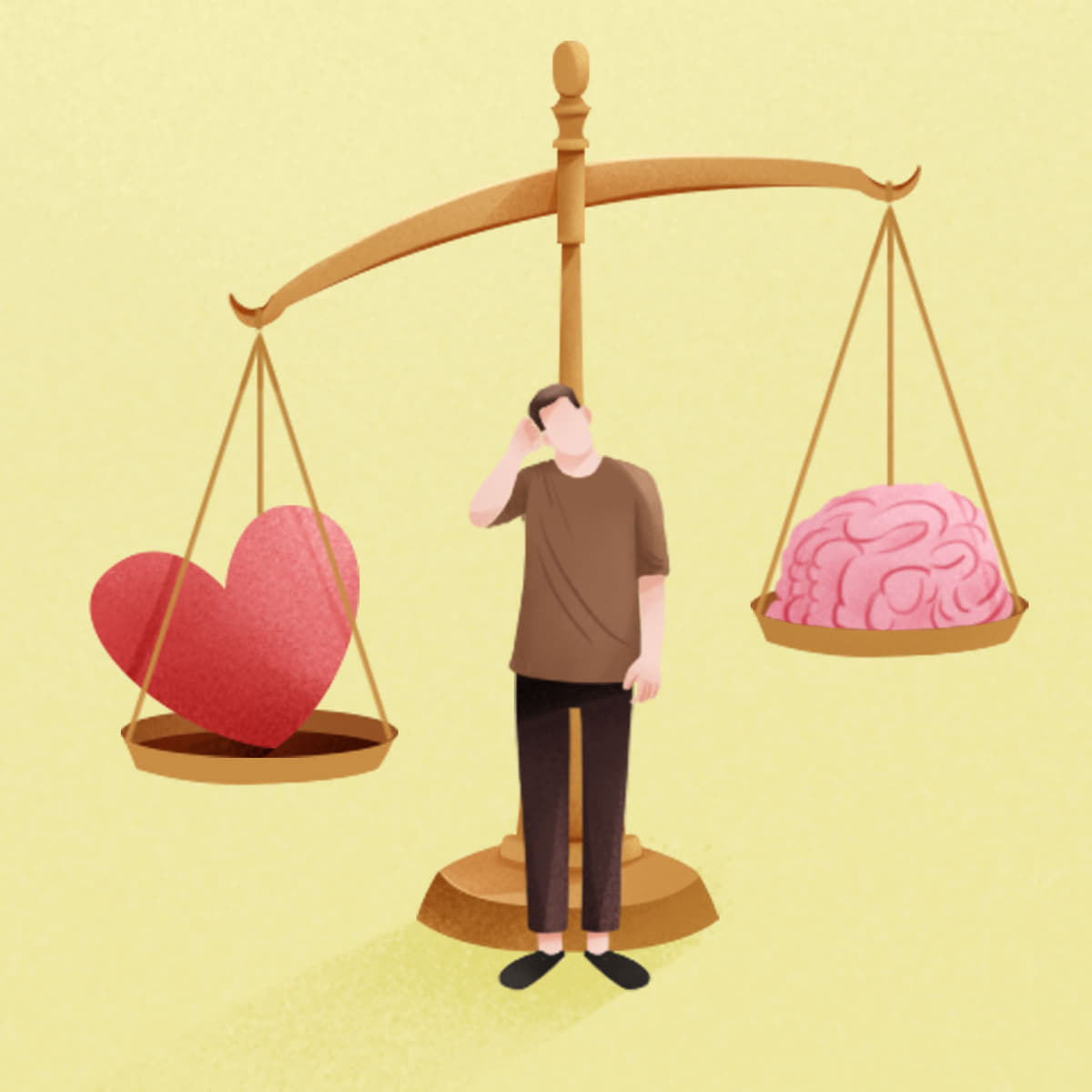
Chapter 1:Characters of Emotional Intelligence
Self-awareness: This aspect involves recognizing and understanding one's own emotions, strengths, weaknesses, values, and beliefs. It requires introspection and reflection to gain insights into how emotions influence thoughts and behaviors.
Self-regulation: It refers to the ability to manage and control emotions, impulses, and reactions. Self-regulation involves techniques such as stress management, emotional self-control, and adapting to changing circumstances without being overwhelmed by negative emotions.
Empathy: Empathy is about understanding and sharing the emotions of others. It includes actively listening, showing compassion, and considering different perspectives. Empathy allows individuals to connect with others emotionally and develop stronger relationships.
Social skills: These skills encompass effective communication, conflict resolution, collaboration, and teamwork. Strong social skills enable individuals to navigate social situations, build rapport, and positively influence others.
Chapter 2:Emotional Intelligence Meaning
Emotional Intelligence (EI) refers to the capacity to recognize, understand, and manage emotions effectively in oneself and others. It involves developing skills related to emotional awareness, regulation, empathy, social skills, and relationship management.
The meaning of emotional intelligence lies in recognizing that emotions play a significant role in our thoughts, behaviors, and interactions with others. It goes beyond traditional measures of intelligence (like IQ) and emphasizes the importance of emotional awareness and interpersonal skills in personal and professional success.
Emotional intelligence involves understanding one's own emotions, strengths, weaknesses, values, and beliefs (self-awareness). It also encompasses the ability to manage and control emotions, impulses, and reactions (self-regulation). Empathy is a critical component of emotional intelligence, allowing individuals to understand and share the emotions of others, while social skills enable effective communication, collaboration, and relationship building.
By cultivating emotional intelligence, individuals can navigate emotions more effectively, build stronger relationships, make better decisions, and adapt to various social contexts. The meaning of emotional intelligence lies in its potential to enhance personal growth, mental well-being, and overall success in different areas of life by harnessing the power of emotions.
Chapter 3:Quotes of Emotional Intelligence
"Emotional intelligence is the key to both personal and professional success." - Daniel Goleman
"The greatest ability in business is to get along with others and influence their actions." - John Hancock
"Your intellect may be confused, but your emotions will never lie to you." - Roger Ebert
"Emotional intelligence doesn't mean we deny our feelings; it means we learn to manage them in healthy ways." - Unknown
"Empathy is about standing in someone else's shoes, feeling with his or her heart, seeing with his or her eyes." - Daniel H. Pink
"The true mark of maturity is when somebody hurts you and you try to understand their situation instead of trying to hurt them back." - Unknown
"The first step in developing emotional intelligence is self-awareness—knowing what you're feeling and why." - Travis Bradberry
"When dealing with people, remember you are not dealing with creatures of logic, but creatures of emotion." - Dale Carnegie
"Respect your own emotions and don't let anyone else's emotions knock you off course." - Colleen Doyle
"The art of reading between the lines is a lifelong quest of the wise." - Shannon L. Alder