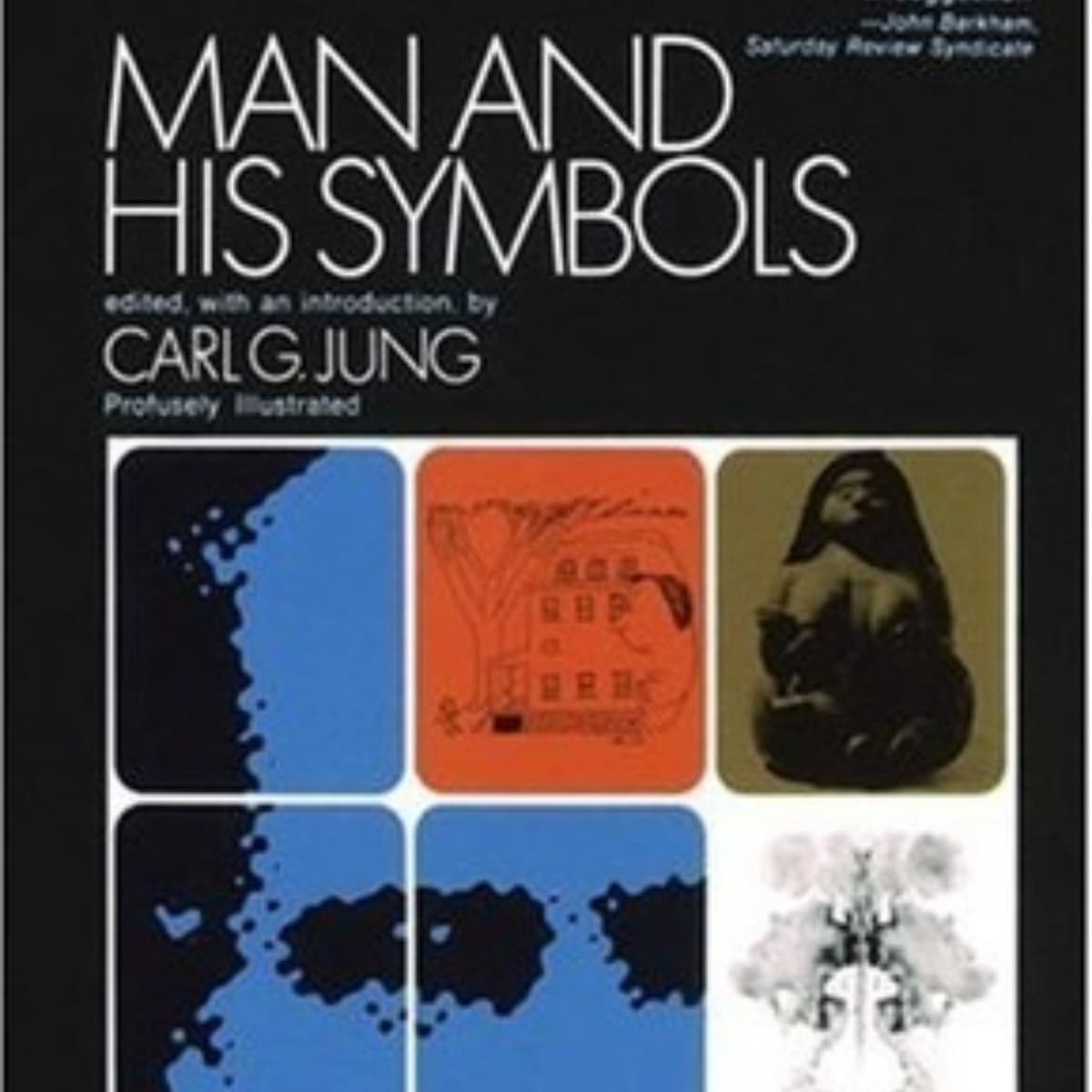
In the shadowy recesses of the mind, where dreams dance and symbols whisper, C.G. Jung's "Man and His Symbols" unveils the profound interplay between consciousness and the unconscious. Jung, a pioneering psychologist, invites readers into a world where ancient symbols weave tales of human experience, guiding us through the labyrinth of our psyche. He illustrates how these symbols, from dreams to myths, serve as bridges connecting our inner selves with the collective unconscious—a shared reservoir of human wisdom. Through vivid anecdotes and rich imagery, Jung reveals that understanding these symbols can illuminate our fears, desires, and life’s purpose. This journey deepens our self-awareness, allowing us to embrace the complexities of our existence. Ultimately, "Man and His Symbols" is not just a study of psychology; it's a call to explore the hidden landscapes of our dreams and the potent meanings they hold.
Chapter 1: What Is Man and His Symbols
"Man and His Symbols" by C.G. Jung is a seminal work in the field of psychology that explores the significance of symbols and their impact on the human psyche. Below is an evaluation of the book based on the specified criteria:
1. Depth and Accuracy of Content: The book is profound in its exploration of the unconscious mind and the role of symbols in psychology. Jung’s insights are rooted in extensive research and clinical practice, showcasing a deep understanding of psychological concepts.
2. Originality: Jung’s approach is notably original; he merges psychoanalysis with mythology, religion, and art, offering a unique perspective that distinguishes his work from others in the field. His emphasis on symbols as bridges to the unconscious was groundbreaking.
3. Organization: The book is well-structured, beginning with Jung's theoretical foundations and progressing to practical examples. Each chapter is designed to build on the previous one, making complex ideas more accessible.
4. Readability: While the book contains complex ideas, it is written in a manner that is relatively accessible to lay readers, particularly compared to some of Jung’s other works. The integration of illustrations helps clarify concepts.
5. Inspirational Emotional Impact: Many readers find the book deeply inspiring, as it encourages self-exploration and understanding of one's own symbolism and unconscious processes. The narrative can evoke introspection and personal insight.
6. Cultural and Social Impact: "Man and His Symbols" has had significant cultural implications, influencing not just psychology but also art, literature, and spirituality. It has opened up discussions about symbolism in various cultural contexts.
7. Attention to Detail: The book demonstrates meticulous attention to detail, particularly in the analysis of symbols found in dreams and art. Jung’s case studies and examples enrich the text.
8. Theme and Message: The primary theme revolves around the importance of understanding the unconscious mind through symbols. The message emphasizes personal growth, self-awareness, and the interconnectedness of individual psyches with wider cultural symbols.
9. Critical Thinking: Jung encourages readers to engage critically with their own experiences and the symbols they encounter. The book prompts introspection and examination of personal beliefs and cultural narratives.
10. References: Jung’s work is well-referenced, drawing upon a variety of disciplines, including mythology, religion, and literature, which supports his theories and insights.
11. Creativity and Artistry: The narrative is enriched with artistic illustrations that complement the text, showcasing Jung’s appreciation for the visual representation of ideas. His writing style, while scientific, also reflects a poetic sensibility.
Overall, "Man and His Symbols" is a highly regarded book that effectively merges psychological theory with artistic expression, making it a valuable resource for those interested in psychology, art, and self-discovery. Its impact transcends academic boundaries, influencing various fields and encouraging deeper understanding of the human experience.
Chapter 2: Man and His Symbols chapters
"Man and His Symbols" is a work by Carl Gustav Jung, first published in 1964. This book is significant as it represents Jung's attempt to communicate his theories of the unconscious and the importance of symbols in understanding the human psyche, particularly to those who are not familiar with psychology.
Here is a brief summary of the main chapters:
1. Approaching the Unconscious
Jung introduces the idea that the unconscious communicates through symbols, dreams, and personal experiences. He discusses the importance of understanding these symbols and how they relate to our conscious selves. He emphasizes the relevance of symbols in our lives and how they shape our thoughts, emotions, and behaviors.
2. Frequently Used Symbols in Dreams
In this chapter, Jung explores common symbols found in dreams, such as figures representing the self, the anima/animus, and archetypal symbols like the hero, the mother, and the wise old man. He explains how these archetypes arise from the collective unconscious and play a critical role in guiding psychological development.
3. The Process of Individuation
Jung describes individuation as the process of integrating various aspects of the self, including the conscious and unconscious parts. He highlights the significance of confronting and assimilating shadow aspects, which often present themselves through dreams or symbols, to achieve wholeness.
4. Symbolism in Dreams and Art
This chapter reviews how artistic expression, like dreams, serves as a means of communicating unconscious thoughts and feelings. Jung argues that art and creative endeavors express the innermost psyche and can facilitate deeper self-understanding.
5. The Meaning of the Psyche in Modern Man
Jung discusses the contemporary challenges faced by individuals, including alienation and materialism, which can obstruct psychological development. He argues for the necessity of reconnecting with the unconscious through dreams, symbols, and mythology to achieve a more meaningful existence.
6. The Role of Myth in the Human Experience
Here, Jung delves into myths, suggesting they represent universal themes and archetypes that reflect human experiences and struggles. He argues that myths can guide individuals in their personal journeys, providing insight into life transitions and the human condition.
7. Psychological Types
Jung concludes with an examination of psychological types, introducing his theories on introversion and extraversion, as well as the four functions of consciousness: thinking, feeling, sensation, and intuition. He emphasizes that understanding one’s psychological type can lead to greater self-awareness and harmony with others.
Final Thoughts
"Man and His Symbols" serves as a bridge between Jung's complex psychological theories and the general public. It elucidates the importance of understanding symbols and the unconscious in personal development and highlights the continual relevance of these concepts in everyday life. The work emphasizes a journey towards self-discovery and the integration of various psychological elements for achieving personal growth and meaning.
The Symbolic Tapestry of the Mind: A Journey through "Man and His Symbols"
In a quiet corner of the library, amidst the gentle rustle of pages turning, Julia stumbled upon a curious book that would change the way she perceived her own dreams—the enigmatic Man and His Symbols by Carl Gustav Jung. The title alone beckoned her with an air of mystery, promising a trip into the labyrinth of the human psyche.
As Julia delved into the book, she discovered that Jung was not merely a psychoanalyst; he was a cartographer of the soul, exploring the intricate maps of consciousness through symbols. Each chapter unfolded like a new layer of a rich tapestry, where each thread represented a different aspect of the human experience, woven together to form a vibrant picture of our inner worlds.
The Encounter with Symbols
As she read the opening chapters, Julia learned of Jung's profound belief that symbols were not arbitrary; they were the collective language of the unconscious, speaking to us across generations and cultures. He spoke of dreams as whispers of the psyche, subtly guiding us through the hidden pathways of our emotions and beliefs. Jung described how symbols arise from our shared human experiences, having the power to reveal truths that words alone often fail to convey.
Julia recalled a particularly vivid dream she had the previous week—a tree, ancient and gnarled, standing majestically on a cliff. In that dream, the tree had felt alive, its roots digging deep into the earth, its branches stretching toward the heavens. She learned that this tree could be seen as a symbol of her own growth, stability, and connection to both her inner and outer worlds. The more she reflected, the more she realized how symbols were like keys that unlocked the doors to her subconscious, revealing layers of meaning she had never considered.
The Collective Unconscious
As Julia turned the pages, she was captivated by Jung's concept of the collective unconscious—a repository of shared memories and archetypes that transcended individual experiences. He argued that, regardless of time and culture, certain symbols resonate universally, echoing the themes of heroism, love, fear, and transformation.
In one passage, Jung explained that archetypes such as the Mother, the Hero, and the Shadow live within all of us, waiting to be acknowledged. The Hero’s journey, for instance, serves as a metaphor for personal growth, where overcoming inner demons can lead to profound self-discovery. Julia began to see herself as the heroine in her own story, bravely confronting her fears and past traumas. This realization filled her with newfound courage, a spirit of adventure she had long relegated to the background.
The Shadow Self
Just as she was beginning to feel empowered, there came a chapter on the Shadow—the darker, unacknowledged aspects of the self. Jung urged readers not to shy away from their shadows, for it is within the depths of these hidden parts that personal transformation awaits. Julia felt a shiver run down her spine as she pondered her own shadows: the insecurities, the regrets, and the moments when she had felt less than enough.
One evening, with the book open on her lap, she sat in the garden under the soft glow of twilight, reflecting on the anguish hidden in those shadows. She drew parallels between her reflections and the symbols in her dreams. Instead of rejecting those darker emotions, she chose to embrace them, envisioning them as elements of a complex, beautifully flawed character in her life story. Little by little, she began to integrate these shadows into her identity, learning to wield her pain as a source of strength rather than a burden.
A Personal Quest for Wholeness
As Julia approached the final chapters, she grasped the essence of Jung’s message: the journey toward self-understanding and wholeness is an ongoing adventure, one that could be guided by our dreams and the symbols that emerge from the depths of our psyche. Jung posited that acknowledging and integrating these symbols could lead to greater self-awareness and harmony.
Feeling inspired, Julia penned down her own symbols—a phoenix rising from the ashes, a labyrinth winding through a dark forest, and a key unlocking a hidden treasure. Each depicted her quest for self-realization and fulfillment.
With the book now closed, Julia felt a sense of completion wash over her. She had not only learned about Jung's theories but had also embarked on a journey of introspection. Armed with a deeper understanding of her psyche, she was ready to traverse the complexities of her own life story, one page at a time.
As she placed the book back on the shelf, she smiled, knowing that Man and His Symbols was not just a book; it was a companion on her path to self-discovery, a reminder to always listen to the whispers of her dreams and embrace the symbols that shape her existence. In that moment, she understood—every symbol is an invitation to explore the uncharted territories of the heart.
Book https://www.bookey.app/book/man-and-his-symbols
Quotes https://www.bookey.app/quote-book/man-and-his-symbols
Youtube https://www.youtube.com/watch?v=DskaBs4vAx8
Amazon https://www.amazon.com/Man-His-Symbols-Carl-Jung/dp/0440351839
Goodreads https://www.goodreads.com/book/show/123632.Man_and_His_Symbols