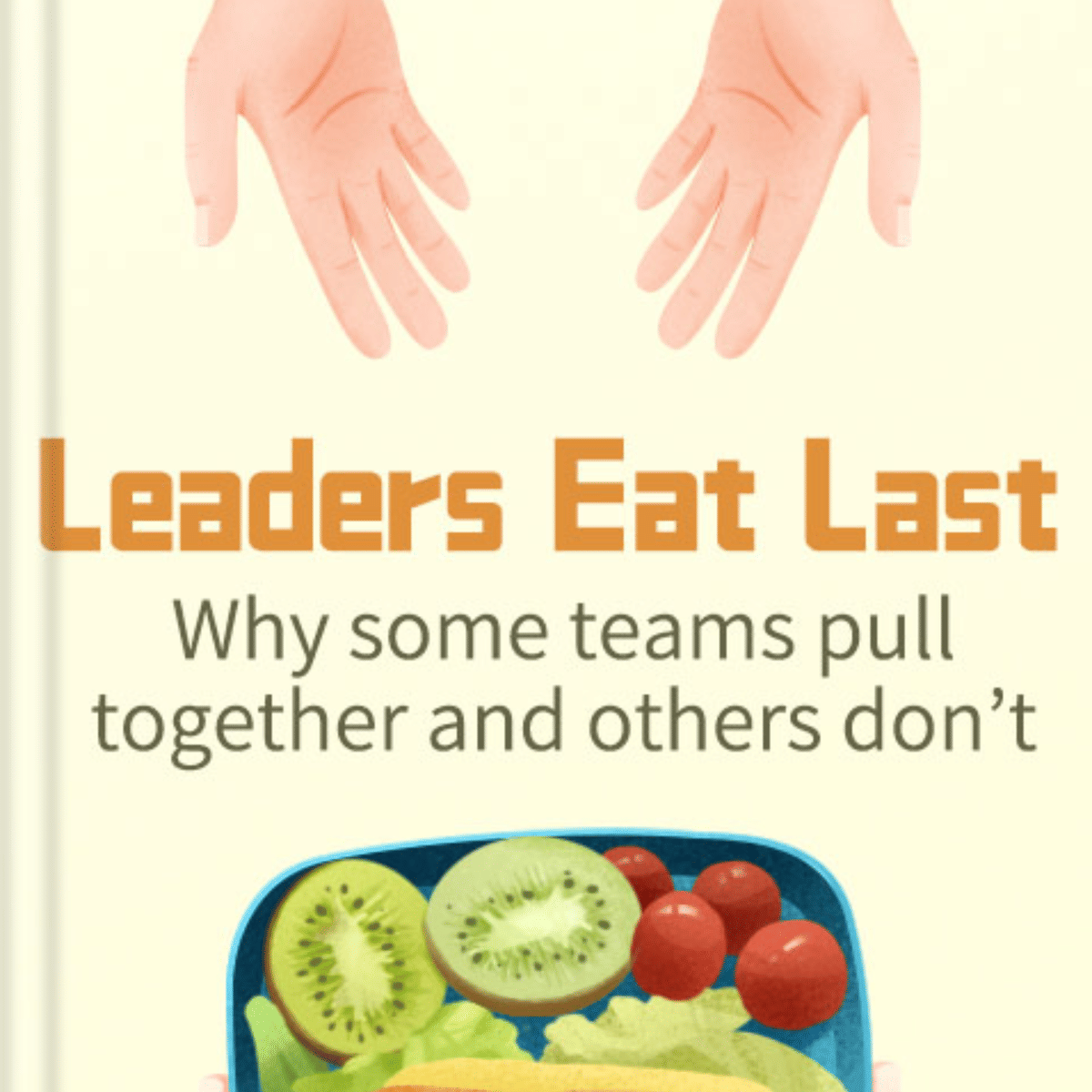
In the heart of a bustling city, a weary group of employees gathered after a long day at the office. Their leader, known for prioritizing their well-being, often shared a simple mantra: "Leaders eat last." As the sun dipped below the skyline, they reflected on how this philosophy transformed their workplace. Instead of competition, they found camaraderie; instead of fear, there was trust.
Simon Sinek's essential message centers on the importance of nurturing a supportive environment where leaders look after their teams first. When leaders prioritize their people's needs, loyalty blossoms, fostering innovation and resilience. Like the soldier who stands watch for his comrades, a great leader facilitates a culture of collaboration over individualism.
In this dynamic world, where stress and anxiety often threaten, Sinek reminds us: true leadership is about sacrifice and solidarity. When leaders eat last, everyone flourishes together, creating an unbreakable bond that drives success.
Chapter 1: What Is Leaders Eat Last
“Leaders Eat Last” by Simon Sinek: Evaluation Across Multiple Dimensions
1. Depth and Accuracy of Content: The book provides a well-researched exploration of leadership dynamics, drawing on neuroscience and real-world examples. Sinek emphasizes the importance of fostering a culture of trust and safety within organizations, backed by insights from behavioral science.
2. Originality: While the concept of servant leadership is not new, Sinek's focus on the biological and psychological underpinnings of leadership provides a fresh perspective. His approach to illustrating how leaders can create environments where employees feel valued and motivated is thought-provoking.
3. Organization: The book is well-structured, with clear sections that build on each other. Sinek starts with fundamental ideas and progressively delves into case studies and examples, guiding the reader through his arguments effectively.
4. Readability: Sinek’s writing style is accessible and engaging. He uses anecdotes and metaphors that resonate well with a wide audience, making complex concepts easily digestible.
5. Inspirational Emotional Impact: “Leaders Eat Last” is highly inspirational, urging readers to reconsider their ideas about leadership. Sinek motivates leaders to foster environments of mutual support, leading to greater job satisfaction and productivity among teams.
6. Cultural and Social Impact: The themes in the book resonate deeply with contemporary discussions on workplace culture, diversity, and inclusion. Sinek’s emphasis on empathy and community in leadership can impact organizational practices and culture positively.
7. Attention to Detail: Sinek meticulously cites historical examples, neuroscience findings, and case studies of successful organizations, adding richness and credibility to his arguments.
8. Theme and Message: The central message is that effective leadership is about prioritizing the well-being of others, creating a circle of safety where everyone can thrive. This theme is consistently reinforced throughout the book.
9. Critical Thinking: Sinek encourages readers to think critically about their leadership approaches and the impact of their decisions on teams and organizational culture. He prompts self-reflection and consideration of long-term effects over short-term gains.
10. References: The book includes references to various studies and events, providing an academic underpinning to Sinek's claims. While some readers may desire more rigorous scholarly citations, the examples presented are relevant and illustrative.
11. Creativity and Artistry: Sinek’s use of storytelling and relatable examples makes the book not just informative but also enjoyable. His ability to weave narratives into his arguments showcases his creativity in delivering complex ideas effectively.
Conclusion: Overall, “Leaders Eat Last” is a compelling exploration of leadership that stands out for its depth, organization, emotional resonance, and cultural relevance. It serves as both a practical guide and an inspirational manifesto, encouraging leaders to adopt a more humane approach in their organizations.

Chapter 2: Leaders Eat Last chapters
"Leaders Eat Last" by Simon Sinek discusses the importance of leadership that prioritizes the well-being of team members, fostering environments where people feel safe, valued, and motivated. Here's a brief summary of each chapter:
Introduction
- Sinek introduces the concept of "Leaders Eat Last," emphasizing that real leaders prioritize their teams over themselves, creating a safe and cooperative environment.
Chapter 1: Reality of Leadership
- Leadership is often misunderstood. True leaders sacrifice for the well-being of their teams, creating a trusting environment that encourages collaboration and innovation.
Chapter 2: The Courage to Make a Choice
- Leaders make choices every day that affect their teams. The best leaders put the needs of their people first, which fosters loyalty and makes organization thrive.
Chapter 3: The Circle of Safety
- Sinek presents the idea of the "Circle of Safety," where leaders create a protective environment for their employees. This circle protects team members from external threats and internal competition.
Chapter 4: The Chemical Reaction
- The book discusses the role of chemicals, like endorphins and oxytocin, in creating bonds between people. Trust and safety allow for these positive chemical reactions, which enhance teamwork and camaraderie.
Chapter 5: The Powerful Influence of the Circle
- Sinek elaborates on how creating a Circle of Safety can have profound impacts, leading to better engagement, loyalty, and overall organizational success.
Chapter 6: The Responsibility of Leaders
- Leaders must take responsibility for their actions and the culture they foster. This includes making decisions that might be unpopular in the short term for the long-term benefits of the team.
Chapter 7: The Influence of Society
- The book discusses societal influences on leadership and the trends toward individualism and entitlement, which can undermine collective success.
Chapter 8: A Question of Trust
- Building trust is crucial for any leadership success. Sinek explains how trust can be established and the role it plays in team functioning.
Chapter 9: A Perspective on Contradictions
- The chapter explores the contradictions in leadership, such as the need for both authority and empathy. Sinek emphasizes that effective leaders can navigate these contradictions.
Chapter 10: The Role of Emotion
- Leaders should understand that emotion plays a critical role in the workplace. Acknowledging and valuing emotional connection can strengthen teams.
Chapter 11: The Values of Trust
- Trust leads to innovation and risk-taking within teams. When team members feel safe, they are more likely to engage openly and contribute creatively.
Chapter 12: The Implications of Leadership
- Sinek reflects on the broader implications of leadership styles in various organizations. The best outcomes arise in environments where leaders prioritize their teams.
Conclusion
- The book concludes with a reminder of the importance of leadership that puts people first. Sinek encourages leaders to remember their role as caretakers of their teams, ultimately promoting a culture of safety and trust.
Overall Message
Simon Sinek argues that leaders who prioritize the welfare of their team can cultivate a positive culture, leading to better performance, loyalty, and success. By fostering an environment of safety and trust, leaders can empower their teams to thrive.
Title: The Circle of Trust: A Tale Inspired by Leaders Eat Last
Once upon a time in a bustling town called Communitas, there lived a diverse group of villagers who managed their daily lives with a peculiar philosophy: the best leaders were those who served their people first. This guiding principle was rooted in a book they had all embraced: Leaders Eat Last by Simon Sinek.
The focal point of this village was a grand oak tree, whose branches stretched wide, offering shade and a space for gathering. Every week, the villagers would gather beneath its expansive canopy to discuss their collective goals, dreams, and challenges. These meetings were led by the town’s mayor, an elderly man named Mr. Jordan, who embodied the essence of Sinek's teachings.
“Why do we gather here every week?” he would often ask, not merely for an answer, but to prompt reflection. “Because a leader’s job is to create a Circle of Safety.” This circle, Mr. Jordan explained, wasn’t merely a metaphor; it was a protective barrier that enveloped each villager, ensuring they felt secure from the storms that life occasionally hurled their way.
As they came together, the villagers shared their stories, and it soon became clear that when they truly practiced the tenet of “serving first,” magic happened. One week, a local farmer named Clara shared her struggles with a drought that threatened her crops. Instead of despair, the villagers rallied around her. They organized a watering convoy, sharing their reserves and turning a dire situation into a communal triumph.
When a weary traveler arrived one chilly evening, it was the villagers’ instinct to offer him food and shelter. They knew that extending kindness to others not only expanded their Circle of Safety but strengthened their bonds as a community. It was in these moments that they truly grasped Sinek’s message: leaders who sacrifice their own comfort for the well-being of others instill loyalty and commitment in return.
One day, however, a shadow fell over the village. A newcomer, a merchant named Felix, arrived with aspirations of wealth and power. Unlike the villagers, Felix believed the strongest leaders took what they could and climbed above everyone else. His presence began to sow discord. He exploited fears, pitted neighbors against each other, and promoted competition rather than cooperation.
As the villagers grew frail under the weight of this turmoil, Mr. Jordan faced a dilemma. He gathered everyone beneath the oak tree and proposed a radical idea: “What if we each took a turn to lead without authority? What if we ate last?” The villagers looked puzzled but intrigued. The very concept of prioritizing others over oneself was foreign in the face of Felix’s ego-driven tactics.
So, in an act of solidarity, they crafted a new ritual—“The Potluck of Leadership.” Each week, they would invite those who felt marginalized or overshadowed to share a dish, regardless of their cooking prowess. As they feasted on each other’s contributions, they began to identify the strengths that had once been overshadowed by fear. Clara, with her drought-era ingenuity, and a shy woman named Elise, with her gift for storytelling, emerged as natural leaders.
Over time, Felix, caught usurping authority rather than empowering those around him, found himself increasingly isolated. The villagers no longer feared him; they became strengthened by their Circle of Safety. Together, they reminded one another that true leadership is an act of service, and that vulnerability can breed strength in a community.
As the seasons morphed from cool winter to fragrant spring, Communitas flourished. With every meal shared, every concern addressed, and every story told, the villagers lived Sinek's teachings; they thrived under the belief that when people feel cared for, they will naturally rise to the occasion.
And so, the tale of Communitas reminds us that true leadership is not about being at the top but rather about nurturing an environment where everyone can flourish. In a world filled with distractions and self-interest, it takes courage to embrace a philosophy where leaders eat last. But as the villagers learned, in the end, the heart of great leadership lies in creating a community where trust, safety, and collaboration reign supreme.
Under the vast branches of the great oak tree, the villagers of Communitas continued to gather, serving dinner not just to fill their stomachs, but to feed their souls—a lasting legacy rooted deeply in Simon Sinek’s message: great leaders always, always eat last.

Book https://www.bookey.app/book/leaders-eat-last
Youtube https://www.youtube.com/watch?v=YMeuk0ZtLM0
Amazon https://www.amazon.com/Leaders-Eat-Last-Together-Others/dp/1591845327
Goodreads https://www.goodreads.com/book/show/16144853-leaders-eat-last?from_search=true&from_srp=true&qid=5y0gNLe4xc&rank=1