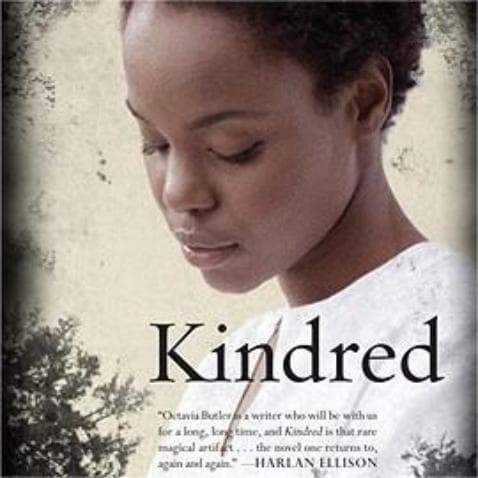
In the riveting novel "Kindred" by Octavia E. Butler, readers are transported through time with the protagonist, Dana, as she unexpectedly finds herself pulled back to the antebellum South. Confronted with the harsh reality of slavery, Dana is faced with the challenge of navigating the complexities of race, power, and identity.
Through Dana's experiences, Butler expertly weaves a powerful narrative that explores themes of history, family, and the impact of trauma. As Dana tries to survive in a world where her very existence is threatened, she must grapple with the question of how far she is willing to go to ensure her survival.
"Kindred" serves as a haunting reminder of the horrors of slavery and the legacy it has left on society. It is a thought-provoking and immersive read that will linger in the minds of readers long after the final page is turned.
Chapter 1:What Is Kindred
Kindred is a science fiction novel by Octavia E. Butler that follows the story of a young African American woman who is transported back in time to the Antebellum South, where she must confront the realities of slavery and navigate the complexities of race and power dynamics.
In terms of depth and accuracy of content, Kindred delves deeply into historical realities and presents a raw and honest portrayal of the brutality and dehumanization of slavery. The novel is well-researched and presents a detailed examination of the time period.
In terms of originality, Kindred stands out as a unique and innovative work that blends elements of science fiction and historical fiction to create a thought-provoking and engaging narrative.
The organization of the novel is well-crafted, with a seamless flow between past and present timelines that keeps the reader engaged and invested in the story.
Readability is another strength of Kindred, as Butler's writing is clear, compelling, and accessible, making the novel a compelling read for a wide range of audiences.
Kindred is an emotionally impactful book that delves into themes of power, race, and identity, prompting reflection and provoking strong emotional responses from readers.
In terms of cultural and social impact, Kindred is a groundbreaking work that challenges traditional narratives of history and provides a platform for discussions about race, power, and privilege.
Attention to detail is evident throughout the novel, with Butler paying close attention to historical accuracy and creating fully realized characters and settings.
The theme and message of Kindred revolve around the importance of confronting difficult truths about the past, understanding the legacy of slavery, and working towards a more just and equitable future.
Critical thinking is encouraged through the novel's exploration of complex issues and morally ambiguous situations, prompting readers to question their own beliefs and biases.
References to the historical context of the novel are well-integrated into the narrative, providing a rich and immersive reading experience.
Creativity and artistry shine through in Butler's skillful storytelling, innovative blending of genres, and powerful character development, making Kindred a standout work of literature. Overall, Kindred by Octavia E. Butler is a highly recommended read for its depth and accuracy of content, originality, organization, readability, emotional impact, cultural and social impact, attention to detail, theme and message, critical thinking, references, and creativity and artistry.

Chapter 2:Kindred chapters
- Chapter 1: The protagonist, Dana, begins to experience mysterious and unexplained bouts of losing consciousness and waking up in a different time and place. She finds herself in 1815 Maryland on a slave plantation.
- Chapter 2: Dana meets a young boy named Rufus who is drowning. She saves his life and quickly realizes that he is the son of the plantation owner. She learns that Rufus will play a significant role in her future trips back in time.
- Chapter 3: Dana is forced to intervene in a violent altercation between Rufus and another slave, Alice. She realizes that her actions in the past can have serious consequences on her present life.
- Chapter 4: As Dana continues to travel back and forth between her present time and the antebellum South, she forms a complicated and fraught relationship with Rufus. She struggles with the moral implications of her involvement in the lives of the enslaved people on the plantation.
- Chapter 5: Dana learns more about the harsh realities of slavery and the brutal treatment of the enslaved individuals on the plantation. She grapples with her own identity and the moral dilemmas she faces in this challenging and dangerous situation.
- Chapter 6: Dana witnesses the violent and tragic consequences of attempting to resist the brutal system of slavery. She is forced to confront the harsh realities of the past and the implications of her actions on the lives of those around her.
- Chapter 7: Dana faces increasingly difficult and dangerous situations as she navigates the complexities of her relationships with Rufus and the enslaved people on the plantation. She must make difficult choices that will impact her future and the lives of those she cares about.
- Chapter 8: Dana struggles with the moral ambiguity of her actions and the consequences of her presence in the past. She must confront the violence and brutality of slavery while also trying to navigate her own survival in a hostile environment.
- Chapter 9: Dana's experiences in the past continue to have a profound impact on her present life. She grapples with the ramifications of her actions and the difficult decisions she must make in order to survive and protect herself and those she cares about.
- Chapter 10: The novel reaches a tense and dramatic climax as Dana is faced with a life-threatening situation that will test her strength, resolve, and moral convictions. She must confront the realities of slavery and the consequences of her actions in a final, decisive moment.