Chapter 1:what is Is Paris Burning? Book about
"Is Paris Burning?" is a non-fiction book written by Larry Collins and Dominique Lapierre. It was first published in 1965. The book tells the story of the liberation of Paris during World War II in August 1944.
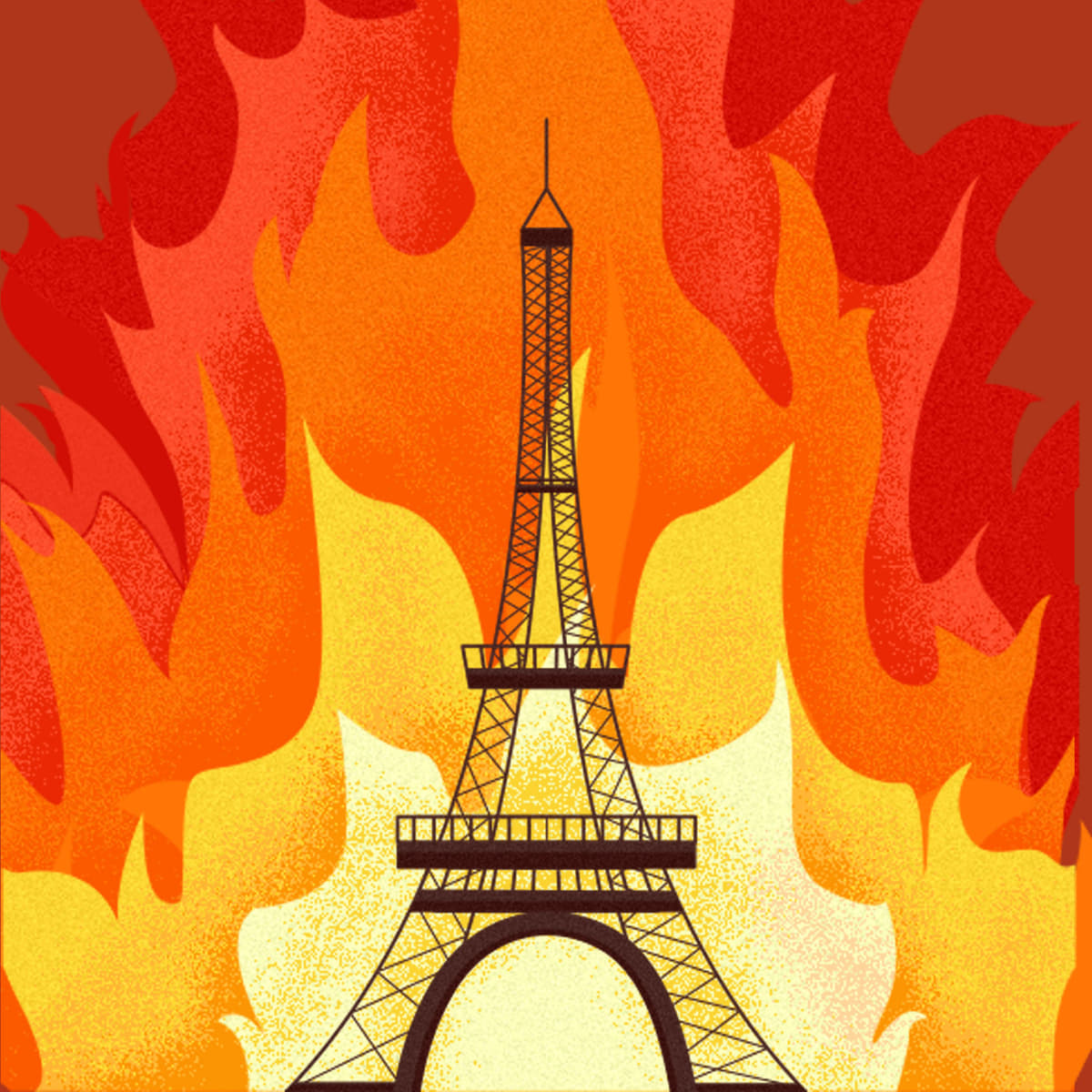
The title of the book is derived from Adolf Hitler's order to his military governor of Paris, General Dietrich von Choltitz, to destroy the city before the Allies could liberate it. The book explores the events leading up to the liberation and the resistance movement that fought against the German occupation.
Collins and Lapierre provide a detailed account of the planning and execution of the liberation, highlighting the efforts of various individuals and groups involved in the resistance. The book combines historical research, interviews, and eyewitness accounts to paint a vivid picture of the city's struggle against Nazi occupation.
"Is Paris Burning?" captures the tension, heroism, and determination of the Parisians during this crucial moment in history. It delves into the political and military strategies, the collaboration and resistance movements, and the personal sacrifices made by individuals in their fight for freedom.
Overall, the book presents a comprehensive narrative of the liberation of Paris, shedding light on lesser-known aspects and providing a deeper understanding of this pivotal event during World War II.
Chapter 2:Author of Is Paris Burning? Book
Larry Collins (1929–2005) was an American journalist, writer, and historian best known for his collaboration with Dominique Lapierre on several critically acclaimed historical books. Collins was born on September 14, 1929, in West Hartford, Connecticut.
Collins began his career as a journalist, working for various newspapers and magazines such as United Press and Newsweek. In the early 1960s, he met Dominique Lapierre, a French journalist, and the two formed a lasting partnership that would produce a series of influential works.
One of their most famous collaborations is the book "Is Paris Burning?", published in 1965. This book tells the gripping and fascinating story of the liberation of Paris from Nazi occupation during World War II. Drawing on extensive research, interviews, and eyewitness accounts, Collins and Lapierre provide a detailed and vivid narrative, capturing the courage and resilience of the people of Paris during a pivotal moment in history.
"Is Paris Burning?" became a bestselling book and was later adapted into a successful film in 1966, solidifying Collins and Lapierre's reputation as skilled storytellers and historians. Their collaborative works often focused on significant historical events, incorporating meticulous research and an engaging narrative style that appealed to a wide range of readers.
Larry Collins continued his writing career after his collaboration with Lapierre, publishing several solo works exploring diverse topics such as espionage, Israeli history, and international politics. While he may be best remembered for his partnership with Dominique Lapierre, Collins established himself as a talented and respected author in his own right.
Larry Collins passed away on June 20, 2005, leaving behind a remarkable literary legacy that continues to captivate readers around the world.
Chapter 3:why is Is Paris Burning? Book worth reading
- Historical Significance: The book details the events leading up to the liberation of Paris during World War II. The narrative provides a comprehensive account of the German occupation, the resistance movement, and the eventual liberation of the capital city. It highlights the bravery and determination of the French people during a critical period in history.
- Engaging Narrative: Collins presents a gripping and fast-paced narrative, making the book an exciting and compelling read. He manages to create a sense of tension and suspense as he describes the actions of both the occupiers and the resistance fighters, painting a vivid picture of the war-torn city and its people.
- Detailed Research: The book is thoroughly researched and extensively documented. Collins draws from an array of sources, including interviews with survivors, official documents, and previously unpublished records. This attention to detail enhances the book's credibility and provides readers with a well-rounded understanding of the events described.
- Insight into Human Resilience: "Is Paris Burning?" delves into the human spirit's resilience and highlights the sacrifices made by individuals and groups during wartime. It explores how everyday citizens and members of the resistance came together to defy the occupiers, emphasizing the power of unity and determination in the face of adversity.
- Cultural Significance: Paris holds a unique place in the cultural consciousness of the world, often lauded as the City of Light and a symbol of artistic, intellectual, and romantic ideals. Collins captures this essence and portrays Paris as a city fighting for its ideals and cultural heritage, making the book particularly engaging for those interested in French history and culture.
Overall, "Is Paris Burning?" is worth reading not only for its historical value but also for its engaging narrative, meticulous research, and its ability to shed light on the resilience of the human spirit.
Chapter 4: Books like Is Paris Burning? Book
- The Day of the Jackal by Frederick Forsyth: This thriller novel is similar to "Is Paris Burning?" as it focuses on the efforts to prevent an assassination plot in France. It also combines historical events with fictional storytelling.
- The Guns of Navarone by Alistair MacLean: This novel is set in World War II and follows a group of Allied commandos on a mission to destroy German guns on a Greek island. It shares a similar theme of resistance against the Nazi regime.
- The Longest Day by Cornelius Ryan: This non-fiction book provides a detailed account of the events leading up to and including D-Day in World War II. It shares a similar focus on the liberation of France and the Allies' efforts to free the country from German occupation.
- Stalingrad by Antony Beevor: This book explores the Battle of Stalingrad during World War II, highlighting the brutal fighting and the struggle for control of the city. Similar to "Is Paris Burning?," it portrays the resilience and determination of those fighting against the Axis powers.
- The Guns at Last Light: The War in Western Europe, 1944-1945 by Rick Atkinson: The final book in a trilogy, this non-fiction work covers the liberation of Western Europe by the Allies in the later stages of World War II. It provides a comprehensive look at the military campaigns and the eventual liberation of Paris.
- Code Name Verity by Elizabeth Wein: This historical fiction novel follows the lives of two women during World War II. It delves into their involvement in espionage and resistance efforts, paralleling the bravery and sacrifices seen in "Is Paris Burning?".
- The Road to Stalingrad by John Erickson: Similar to "Is Paris Burning?," this book focuses on the Eastern Front during World War II, specifically on the Soviet Union's defense against the German invasion. It offers a comprehensive examination of the strategies, battles, and the resilience of the Soviet people.
- Berlin: The Downfall 1945 by Antony Beevor: This book covers the final stages of World War II, specifically the Battle of Berlin and the fall of Hitler's regime. It explores the destruction of the city and the fight for its liberation, depicting a similar context to the liberation of Paris.
- The Liberation Trilogy by Rick Atkinson: This trilogy (comprised of "An Army at Dawn," "The Day of Battle," and "The Guns at Last Light") provides a comprehensive account of the Allies' liberation efforts in North Africa, Italy, and Western Europe during World War II. It explores the complex military campaigns and the struggle to free occupied territories, akin to the narrative in "Is Paris Burning?".
- The Book Thief by Markus Zusak: Although a work of fiction, this novel is set during World War II and follows a young girl living in Nazi Germany. It explores themes of resistance, sacrifice, and the power of words, mirroring the resilience portrayed in "Is Paris Burning?".