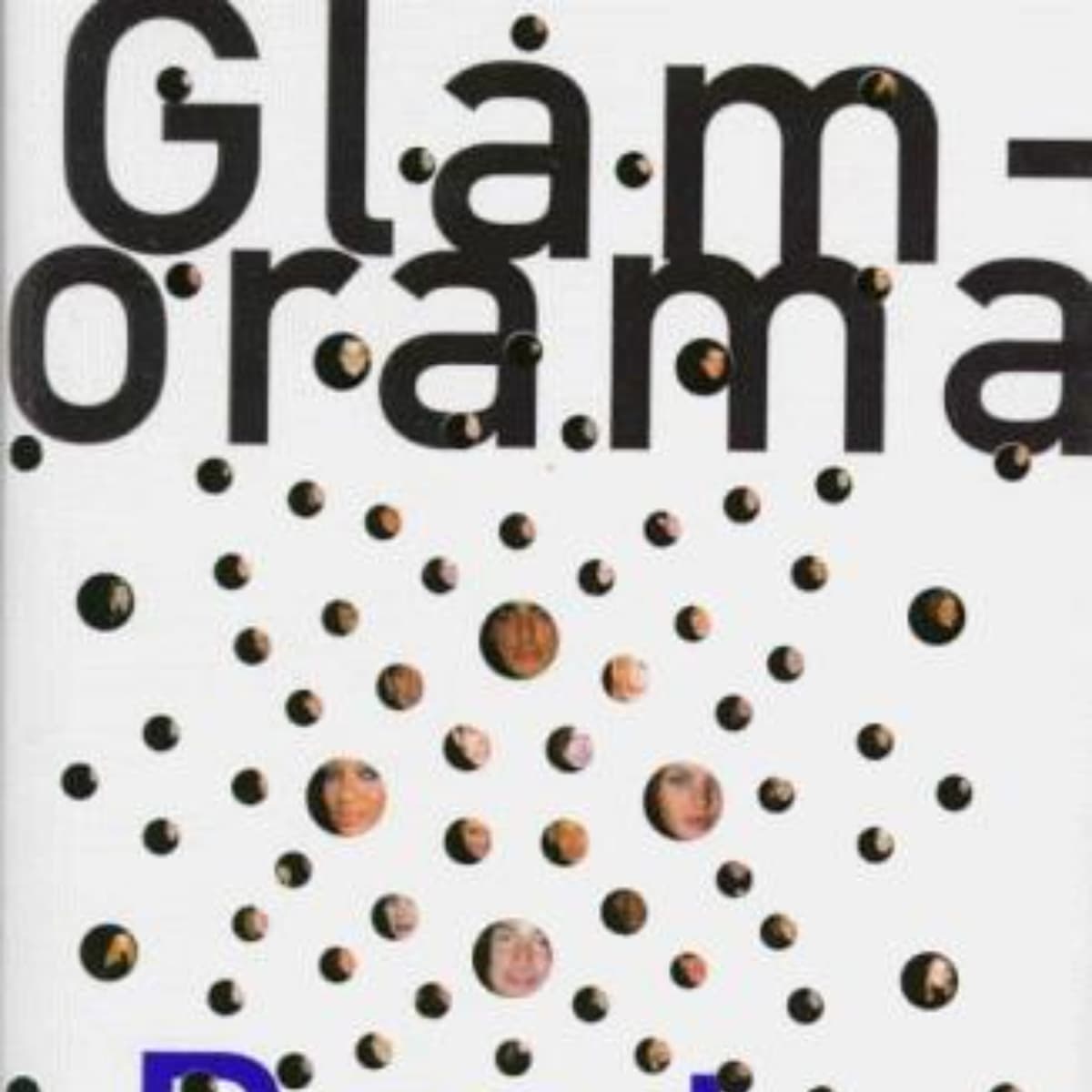
In the dazzling world of Bret Easton Ellis’s Glamorama, readers are drawn into a chaotic blend of fame, superficiality, and existential dread. The story follows Victor Ward, a model caught in the whirlpool of celebrity culture and hedonistic indulgence. As he navigates a glamorous yet hollow lifestyle, Victor's reality shatters when he becomes embroiled in a web of intrigue involving terrorism and deception. Through vivid descriptions and biting satire, Ellis critiques the obsession with appearance and the emptiness that often lies beneath the surface of glamour. The characters, trapped in their own echoes of emptiness, reveal how the allure of fame can warp identity and morality. Ultimately, Glamorama serves as a cautionary tale about the price of vanity in a world that celebrates style over substance—a poignant reminder of the shadows lurking behind the bright lights of fame.
1 Glamorama chapters
"Glamorama" by Bret Easton Ellis explores themes of superficiality, consumerism, and the emptiness of modern celebrity culture. The novel follows Victor Ward, a self-absorbed model and socialite in the late 1980s, as he navigates the glamorous yet hollow world of fashion, fame, and excess.
As Victor becomes embroiled in a web of intrigue involving an international terrorist plot, the narrative critiques the obsession with image and identity in a media-saturated society. The novel's fragmented style and hyper-real depiction of characters and settings reflect a sense of disconnection and disillusionment.
Overall, "Glamorama" serves as a satirical examination of the superficial values of the elite and the impact of fame on personal identity, ultimately delving into the darker sides of obsession, desire, and the pursuit of authenticity in a world obsessed with appearances.

2 Detailed Chapter Review of Glamorama by Bret Easton Ellis
In "Glamorama" by Bret Easton Ellis, the narrative unfolds in a way that amplifies its themes of superficiality, consumerism, and the emptiness of celebrity culture. The early chapters focus on Victor Ward, a model and socialite entrenched in the glamorous world of fashion and fame. For example, in the first few chapters, his interactions at high-profile parties and with other characters underscore the hollow nature of his pursuits, highlighting a world where style trumps substance. As Victor navigates through drug-fueled parties and fleeting relationships, the superficiality of his lifestyle becomes increasingly evident, serving as a critique of how aestheticism often overshadows genuine human connection.
As the novel progresses, particularly in the middle chapters, the plot shifts to a more sinister tone with Victor's involvement in a terrorist plot stemming from his obsession with appearance and status. This transition not only escalates the tension but also emphasizes how the pursuit of fame can lead to a loss of moral grounding. Victor’s encounters with violence and chaos mirror the deterioration of his identity, illustrating Ellis’s commentary on how the relentless chase for glamor culminates in existential emptiness. The connection between Victor's initial allure to the fashion world and his subsequent entanglement in darker themes reflects the pervasive influence of a society obsessed with image, ultimately questioning the very nature of reality in a world dominated by illusion.

Book Summary Audio https://www.bookey.app/audiobook/glamorama
Youtube https://www.youtube.com/watch?v=4ExvRRNBFsg
Amazon https://www.amazon.com/Glamorama-Vintage-Contemporaries-Easton-Ellis/dp/0375703845
Goodreads https://www.goodreads.com/book/show/9913.Glamorama