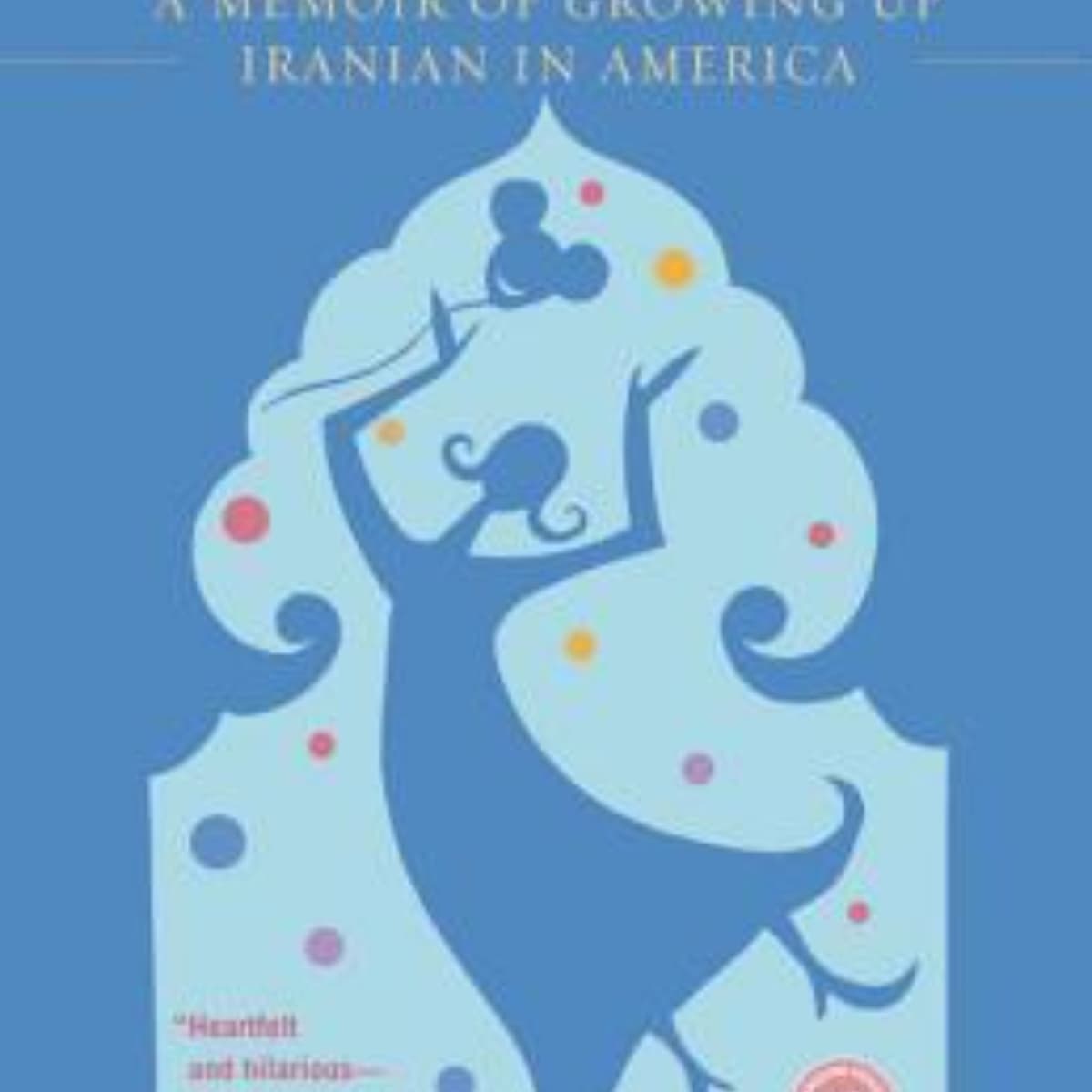
In "Funny in Farsi," Firoozeh Dumas invites readers into her world, a vibrant tapestry woven with humor and cultural nuance. The narrative unfolds through the eyes of a young Iranian girl, who navigates the choppy waters of life in America after her family immigrates. Dumas paints a portrait of the immigrant experience, blending laughter with poignant moments of identity and belonging. As she recalls her amusing misadventures—from hilarious language mishaps to the warmth of a loving, eccentric family—readers find themselves reflecting on the beauty of embracing differences. Through her witty anecdotes, Dumas highlights the universal themes of acceptance and resilience, reminding us that humor can bridge cultural divides. In a world often fractured by misunderstanding, "Funny in Farsi" serves as a delightful reminder that our shared experiences can connect us all, creating laughter out of life’s challenges.
1:Funny in Farsi chapters
"Funny in Farsi" by Firoozeh Dumas is a humorous memoir that explores the author's experiences growing up as an Iranian immigrant in the United States. The overall theme revolves around identity, cultural differences, and the immigrant experience, often highlighting the challenges and absurdities faced by Dumas and her family as they navigated life in a new country.
The book is filled with anecdotes that detail Dumas's childhood, her family's cultural practices, and the often humorous misunderstandings that arose from their Iranian heritage. Through her engaging storytelling, Dumas reflects on themes of belonging, the clash between her Iranian roots and American culture, and the warmth of familial love despite the challenges of assimilation.
Key moments in the book include the family's journey to America, experiences in school, cultural misunderstandings, and Dumas's relationship with her parents. The narrative is marked by Dumas's wit and keen observations, allowing readers to appreciate the complexities of cultural identity and the humorous side of everyday life as an immigrant. Overall, "Funny in Farsi" is a celebration of diversity, resilience, and the universal quest for acceptance and understanding.

2 Detailed Chapter Review of Funny in Farsi by Firoozeh Dumas
In "Funny in Farsi," Firoozeh Dumas explores the themes of cultural identity and assimilation through several chapters that weave humor with poignant reflections on the immigrant experience. For instance, in the chapter titled "The Language of Love," Dumas highlights her struggles with language and the misunderstandings that arise, reflecting the challenges of navigating an English-speaking world while maintaining her Iranian identity. Her humorous anecdotes about mispronunciations and cultural faux pas showcase the blending of her heritage with her American upbringing, emphasizing the idea that laughter can bridge the gap between differences.
Another significant chapter is "The Family," in which Dumas presents her family's distinct quirks and traditions that both embarrass and endear them to her. Through stories of family gatherings, cultural clashes, and her father's endearing attempts to fit into American society, Dumas underscores the universal struggle of finding belonging while honoring one’s background. This chapter reinforces the theme of familial bonds amidst the complexities of cultural integration, illustrating that while identities may be multifaceted, love and humor can create a profound connection across cultural divides.
Book Summary Audio Bookey https://www.bookey.app/audiobook/funny-in-farsi
Quotes https://www.bookey.app/book/funny-in-farsi/quote
Youtube https://www.youtube.com/watch?v=8D9Lkrbt69w
Amazon https://www.amazon.com/Funny-Farsi-Growing-Iranian-America/dp/0812968379
Goodreads https://www.goodreads.com/book/show/46349.Funny_in_Farsi