Chapter 1 What's The Story of the Human Body
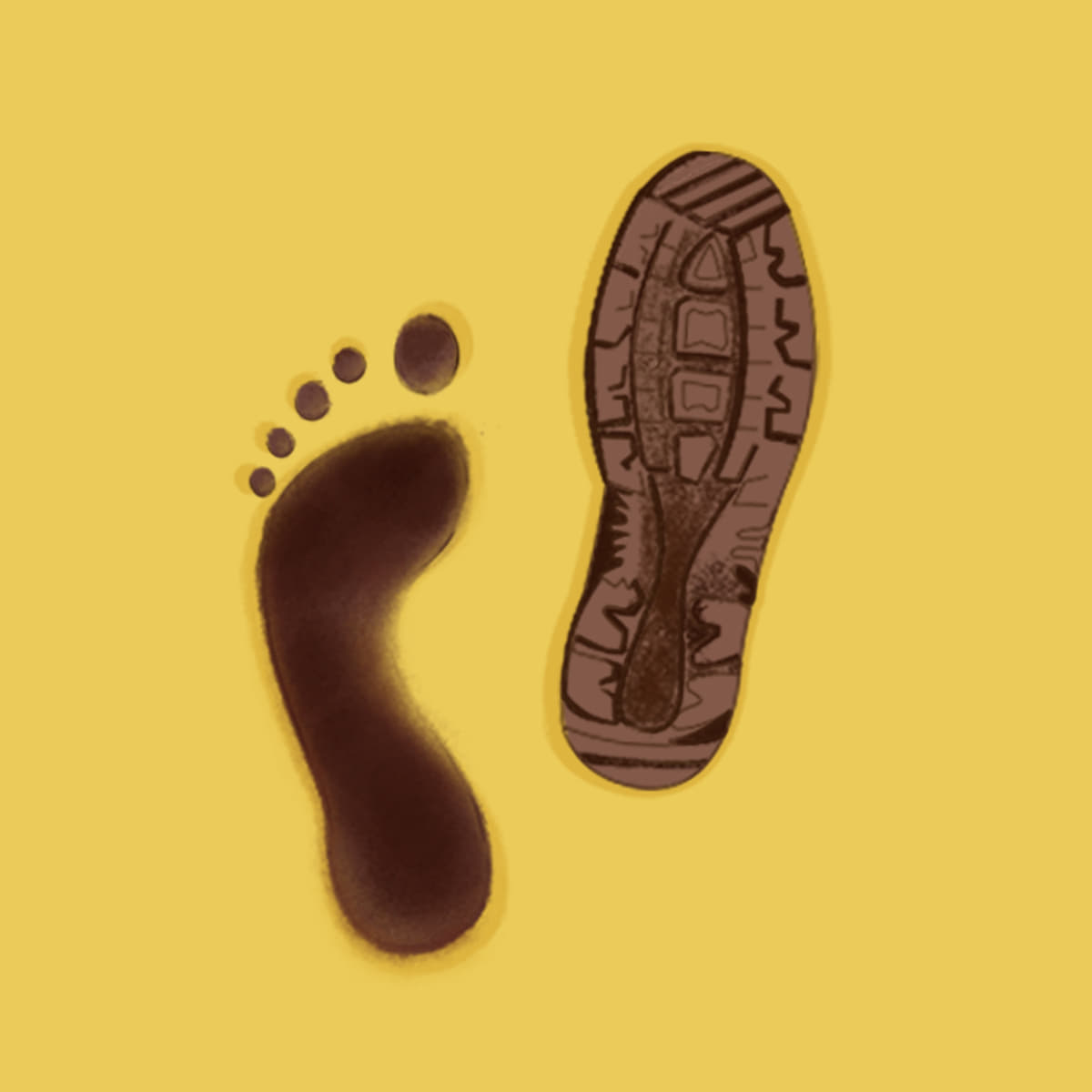
The Story of the Human Body is a book written by Daniel E. Lieberman, a professor of human evolutionary biology at Harvard University. In the book, Lieberman explores the evolutionary history of the human body and how our modern lifestyles have shaped and impacted our physical health.
Lieberman argues that our bodies have evolved over millions of years to be well-suited for a hunter-gatherer lifestyle, but many aspects of modern life, such as diet, exercise, and technology, have led to a mismatch between our bodies and our environment. This mismatch has contributed to the rise of chronic diseases such as obesity, diabetes, and heart disease.
The book covers a wide range of topics, including the evolution of bipedalism, the development of the human brain, the role of diet in human health, and the impact of technology on our bodies. Lieberman also offers practical advice on how we can better align our lifestyles with our evolutionary history to improve our overall health and well-being.
Overall, The Story of the Human Body provides a fascinating exploration of how our bodies have evolved over time and offers valuable insights into how we can live healthier lives in the modern world.
Chapter 2 Is The Story of the Human Body recommended for reading?
Yes, "The Story of the Human Body" by Daniel E. Lieberman is considered a good book by many readers and critics. It offers a comprehensive and engaging look at human evolution, anatomy, and physiology, explaining how our bodies have evolved over time and how our modern lifestyles impact our health. The book is well-researched and well-written, making it a popular choice for those interested in biology, anthropology, and health sciences.
Chapter 3 The Story of the Human Body Summary
"The Story of the Human Body" by Daniel E. Lieberman is a book that explores the evolution of the human body and how our ancestors’ physical traits have shaped the way we live today.
Lieberman starts by discussing the origins of bipedalism, or walking on two legs, as a defining trait of humans. He explains how this adaptation allowed our ancestors to cover long distances efficiently and freed their hands for carrying food and tools.
The book also delves into the evolution of our diet, arguing that our bodies are still adapted to a hunter-gatherer lifestyle even though our diets have drastically changed in modern times. Lieberman explains how our bodies have evolved to crave energy-dense foods and to store excess calories as fat, which was crucial for survival in times of food scarcity.
Lieberman also examines the impact of modern technology on our bodies, such as the prevalence of sitting for long periods of time and the use of technology that reduces the need for physical activity. He discusses the health consequences of these sedentary behaviors, such as obesity and chronic disease.
Overall, "The Story of the Human Body" provides a fascinating look at how the evolution of our bodies has shaped our behaviors, diet, and overall health in the modern world. Lieberman’s insights can help us better understand the ways in which our bodies are adapted to our ancestral environments and how we can live healthier lives by aligning our behaviors with our evolutionary past.
Chapter 4 Meet the Writer of The Story of the Human Body
The author of the book "The Story of the Human Body" is Daniel Lieberman. He is a professor of Human Evolutionary Biology at Harvard University. The book was released in 2013.
In addition to "The Story of the Human Body," Daniel Lieberman has also written other books such as "The Evolution of the Human Head" and "Exercised: Why Something We Never Evolved to Do Is Healthy and Rewarding."
Among his books, "Exercised: Why Something We Never Evolved to Do Is Healthy and Rewarding" has received critical acclaim and has been well-received by readers. It delves into the science of exercise and physical activity, exploring why movement is crucial for human health and wellbeing.
Chapter 5 The Story of the Human Body Meaning & Theme
The Story of the Human Body Meaning
"The Story of the Human Body" by Daniel E. Lieberman explores the evolution of the human body and how our modern lifestyle impacts our health and well-being. Lieberman delves into the history of human evolution, explaining how our bodies have evolved to meet the demands of a hunter-gatherer lifestyle and how our sedentary, processed food-filled environment has led to a host of modern health problems such as obesity, diabetes, and heart disease.
The book argues that our bodies are not well-suited for our current way of living and that we need to make conscious choices to maintain our health and longevity. Lieberman emphasizes the importance of physical activity, a healthy diet, and understanding our evolutionary history in order to live healthier lives.
Overall, "The Story of the Human Body" sheds light on the ways in which our bodies have adapted over millions of years and how we can make better choices to improve our health in the modern world.
The Story of the Human Body Theme
One of the main themes in "The Story of the Human Body" by Daniel E. Lieberman is the evolutionary history and development of the human body. Lieberman explores how the human body has evolved over millions of years to adapt to changes in the environment, from walking on two legs to the evolution of the brain. He emphasizes the importance of understanding our evolutionary history in order to better understand our current health and lifestyle choices.
Another theme in the book is the mismatch between our evolved bodies and modern lifestyles. Lieberman argues that many of the health problems and chronic diseases that plague modern humans can be attributed to our bodies not being adapted to our sedentary, high-calorie diets and lack of physical activity. By understanding our evolutionary past, we can make better choices to improve our health and well-being.
Overall, "The Story of the Human Body" highlights the complex interplay between evolution, biology, and modern society, and emphasizes the importance of understanding our evolutionary origins in order to live healthier, more fulfilling lives.
Chapter 6 Various Alternate Resources
- The official website for The Story of the Human Body by Daniel E. Lieberman, which may include book information, author biographies, and additional resources.
- Amazon.com, where The Story of the Human Body can be purchased in various formats, including Kindle and paperback.
- Goodreads, a popular book review and recommendation website, where readers can rate and review The Story of the Human Body.
- Barnes & Noble, another major online retailer where The Story of the Human Body can be purchased.
- Audible, for those who prefer audiobooks, where The Story of the Human Body may be available for purchase and download.
- YouTube, where users may find book trailers, author interviews, and reviews related to The Story of the Human Body.
- Twitter, where users can follow hashtags related to The Story of the Human Body to find discussions, reviews, and updates.
- Instagram, where users may find visually appealing posts related to The Story of the Human Body, such as quotes or bookstagram photos.
- LinkedIn, where professionals in relevant fields may discuss and share resources related to The Story of the Human Body.
- Google Scholar, where researchers and academics may find scholarly articles and papers related to topics covered in The Story of the Human Body.
Chapter 7 Quotes of The Story of the Human Body
The Story of the Human Body quotes as follows:
- "Our bodies are not well adapted to modern environments, and this mismatch is at the root of many of our chronic health problems."
- "Hundreds of thousands of years of evolution have shaped our bodies to fit the environments in which our ancestors lived, not the artificial environments we have created for ourselves today."
- "Evolution has equipped us with amazing abilities, but also with vulnerabilities that expose us to diseases and injuries in the modern world."
- "The human body is a marvel of adaptation, constantly balancing trade-offs to navigate the challenges of survival and reproduction."
- "Understanding our evolutionary history can help us make sense of the health problems we face today and guide us towards strategies for improving our well-being."
- "Our bodies are the result of a long history of genetic and environmental influences, shaping us into the complex organisms we are today."
- "Throughout history, humans have adapted to their environments through genetic changes and cultural practices, allowing us to thrive in diverse habitats around the world."
- "Modern lifestyles, characterized by sedentary behavior and abundant food, have created a mismatch with our evolutionary past, leading to a rise in chronic diseases such as obesity and diabetes."
- "Our bodies are remarkable machines, capable of incredible feats, but they also come with limitations and vulnerabilities that we must be mindful of in order to maintain our health and well-being."
- "By understanding the evolutionary forces that have shaped our bodies, we can better appreciate the reasons behind our health challenges and take proactive steps to address them."
Chapter 8 Books with a Similar Theme as The Story of the Human Body
- "Sapiens: A Brief History of Humankind" by Yuval Noah Harari - This book provides a thought-provoking look at the history of humanity, exploring how our species has evolved and shaped the world we live in today.
- "The Botany of Desire: A Plant's-Eye View of the World" by Michael Pollan - This book examines the co-evolution of plants and humans, and how plant species have influenced human society and culture in profound ways.
- "Why We Sleep: Unlocking the Power of Sleep and Dreams" by Matthew Walker - This book delves into the science of sleep and its crucial role in our overall health and well-being, offering insights into how sleep impacts our bodies and minds.
- "The Sixth Extinction: An Unnatural History" by Elizabeth Kolbert - This book explores the ongoing mass extinction of species caused by human activity, providing a sobering look at the impact of our actions on the natural world.
- "Guns, Germs, and Steel: The Fates of Human Societies" by Jared Diamond - This Pulitzer Prize-winning book looks at the broad patterns of history and human development, examining how geographic and environmental factors have shaped the course of human civilization.