Chapter 1:Summary of the Evolutionary Psychology
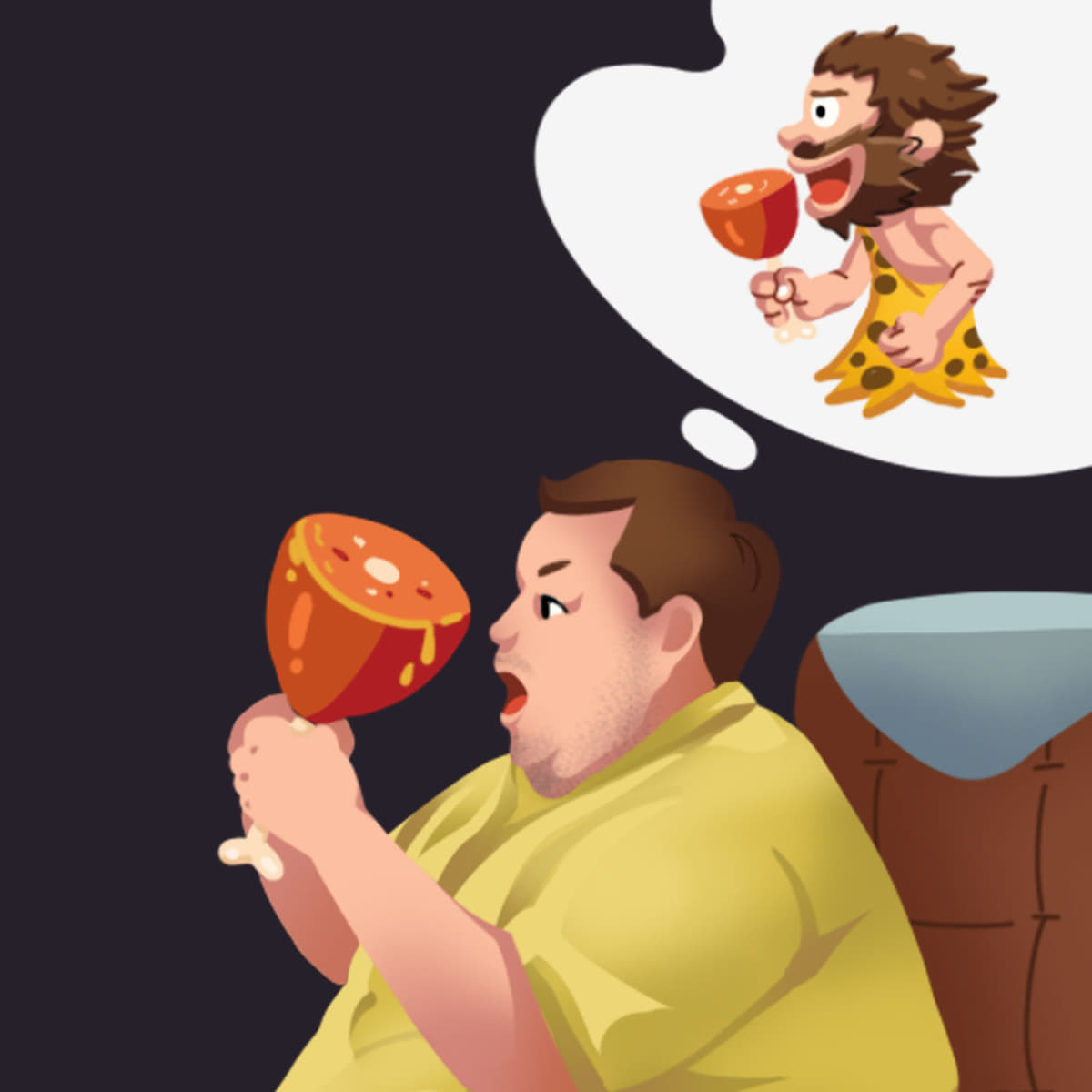
Evolutionary Psychology by David M. Buss is a comprehensive exploration of the foundational principles, theories, and research in the field of evolutionary psychology. The book provides an in-depth analysis of how evolutionary processes have shaped human behavior, cognition, and emotions.
Buss begins by discussing the fundamental concepts of evolutionary psychology, including natural selection, adaptation, and the role of genes in behavior. He highlights the importance of understanding human behavior through an evolutionary lens, arguing that our behaviors and psychological mechanisms have evolved to solve adaptive problems.
The book covers various domains of human behavior, such as mating strategies, sexual attraction, parental investment, aggression, and cooperation. Buss examines these behaviors through the framework of evolutionary psychology, discussing the underlying evolutionary mechanisms that have influenced the development of these behaviors and their adaptive functions.
One of the key topics explored in the book is mating strategies and sexual selection. Buss delves into topics such as mate preferences, mate choice, jealousy, infidelity, and the differences between male and female mating strategies. He explores the evolutionary reasons behind these behaviors, emphasizing the role of reproductive success in shaping our mating preferences.
Buss also addresses the evolutionary origins of social behavior, examining topics such as cooperation, altruism, and the evolution of emotions. He argues that social behavior is rooted in our evolutionary history, with mechanisms such as reciprocal altruism and kin selection guiding our interactions with others.
Throughout the book, Buss provides an overview of the empirical evidence supporting the theories and hypotheses presented. He discusses various research studies, ranging from cross-cultural investigations to experimental studies, to demonstrate the universality and validity of evolutionary psychology principles.
Overall, Evolutionary Psychology offers a comprehensive overview of the field, providing readers with a deeper understanding of how our evolutionary past has shaped our present behaviors and psychological mechanisms. The book serves as a valuable resource for students, researchers, and anyone interested in gaining insights into the evolutionary roots of human behavior.
Chapter 2:the meaning of the Evolutionary Psychology
Evolutionary Psychology by David M. Buss refers to the scientific field that seeks to understand the human mind and behavior through the lens of evolution. It is based on the premise that our psychological traits and behaviors have evolved and adapted to increase our chances of survival and reproduction in our ancestral environments.
Buss highlights the importance of natural selection in shaping our psychological mechanisms and argues that these mechanisms continue to influence our thoughts, emotions, and behaviors even in modern society. He explores various aspects of human behavior such as mate selection, parenting, aggression, cooperation, and mental health, among others, from an evolutionary perspective.
The main goal of evolutionary psychology is to uncover universal patterns and underlying mechanisms that have been shaped by natural selection over millions of years. By studying these adaptive behaviors and psychological traits, researchers aim to gain insights into the evolutionary history of humans and how it has shaped our thoughts, emotions, and behaviors today.
Overall, Evolutionary Psychology by David M. Buss provides a framework for understanding human behavior by considering its evolutionary roots, highlighting the importance of adaptation, reproductive success, and natural selection in shaping our psychological makeup.
Chapter 3:the Evolutionary Psychology chapters
Chapter 1: Evolutionary Psychology: An Overview
In this chapter, the author provides an introduction to the field of evolutionary psychology. He discusses key concepts such as adaptation, natural selection, and fitness. The chapter also outlines the goals, methods, and criticisms of evolutionary psychology.
Chapter 2: Natural Selection and the Origins of Variation
This chapter delves into the process of natural selection and how it contributes to the evolution of psychological traits. The author explores how genetic and environmental factors interact to shape individual differences. Topics covered include heritability, gene-environment interaction, and the evolution of sexual reproduction.
Chapter 3: Evolutionary Genetics
Here, the focus is on the genetic mechanisms underlying evolutionary change. The author explains concepts such as gene frequency, genotype, and phenotype. The chapter also discusses genetic drift, mutation, and other genetic processes that influence evolutionary processes.
Chapter 4: Sexual Selection
Sexual selection is a key driver of evolutionary change, especially in regards to mating behavior and sexual dimorphism. This chapter covers the evolutionary psychology of mate selection, including preferences for physical attractiveness, resources, and commitment. The role of sexual conflict and competing reproductive strategies is also explored.
Chapter 5: Parental Investment
Parental investment refers to the resources and care individuals provide to their offspring. This chapter examines how parental investment shapes mating strategies, reproductive behavior, and parenting styles. It also explores differences between males and females in parental investment, as well as the impact of this investment on child development.
Chapter 6: Human Nature and Culture
This chapter discusses the interaction between evolutionary psychology and cultural influences. The author explores the evolutionary roots of culture, including topics such as language, cooperation, and social norms. The chapter also addresses the debate of nature versus nurture and the role of culture in shaping behavior.
Chapter 7: Cooperation and Altruism
Cooperation and altruism can be paradoxical from an evolutionary perspective, as individuals are expected to prioritize their own fitness. This chapter examines the evolution of cooperation and altruism, including kin selection, reciprocal altruism, and group selection. The author also explores factors that influence cooperation and altruistic behavior in humans.
Chapter 8: Aggression and Violence
Aggression and violence are prevalent in human societies, but they also have evolutionary origins and functions. This chapter explores the evolutionary psychology of aggression, including intersexual and intrasexual competition. The author also discusses the role of testosterone and other hormones in aggression, as well as cultural influences on violent behavior.
Chapter 9: Mate Preferences and Sexual Behavior
This chapter specifically focuses on the evolutionary psychology of mate preferences and sexual behavior. The author discusses preferences for physical attractiveness, intelligence, personality traits, and resources in potential mates. Topics covered include short-term and long-term mating strategies, infidelity, and jealousy.
Chapter 10: Beauty, Body Image, and Attractiveness
Beauty and attractiveness play crucial roles in mate selection and social interactions. This chapter explores the evolutionary psychology of beauty, including facial attractiveness, symmetry, and mate value. The author also examines the cultural and social influences on body image and the impact of media portrayals of beauty.
Chapter 11: Developmental Psychology
This chapter applies evolutionary principles to the field of developmental psychology. The author discusses the adaptive value of behaviors and psychological traits during different stages of development, including infancy, childhood, and adolescence. Topics covered include attachment, parental investment, and the impact of social and cultural factors on development.
Chapter 12: Psychological Disorders
In the final chapter, the author examines the evolutionary origins of psychological disorders. The focus is on understanding the adaptive functions and potential evolutionary causes of disorders such as depression, anxiety, and schizophrenia. The chapter also explores the implications of evolutionary psychology for the diagnosis and treatment of mental health issues.
Chapter 4: Quotes of the Evolutionary Psychology
- "Evolutionary psychology seeks to understand universal human behavior by looking at the adaptive problems our ancestors faced in the ancestral environment."
- "The mind is like an iceberg, with conscious mental processes representing only a small portion of what goes on internally."
- "Evolutionary psychology suggests that many psychological mechanisms are sex-specific due to the different reproductive challenges faced by men and women."
- "Our evolved psychology influences our mate preferences, with men seeking physical attractiveness and fertility cues, and women seeking resources and social status in a potential partner."
- "Evolutionary psychology emphasizes the importance of understanding the universal mechanisms that underlie psychological processes, while also recognizing the impact of individual differences and cultural variation."
- "Human decision-making and behavioral strategies are shaped by principles of natural selection, resulting in adaptation to the specific challenges posed by the environment."
- "Evolutionary psychology provides insight into common human behaviors such as cooperation, aggression, jealousy, and mate choice."
- "Our evolutionary history influences our psychological mechanisms for assessing social hierarchies, forming alliances, and engaging in social exchange."
- "Evolutionary psychology helps explain why certain emotions, such as fear and disgust, are universal across cultures and why certain behaviors, such as parenting and aggression, are common to all humans."
- "Understanding evolutionary psychology allows us to gain a deeper understanding of human nature, helping us navigate through complex social interactions and relationships."