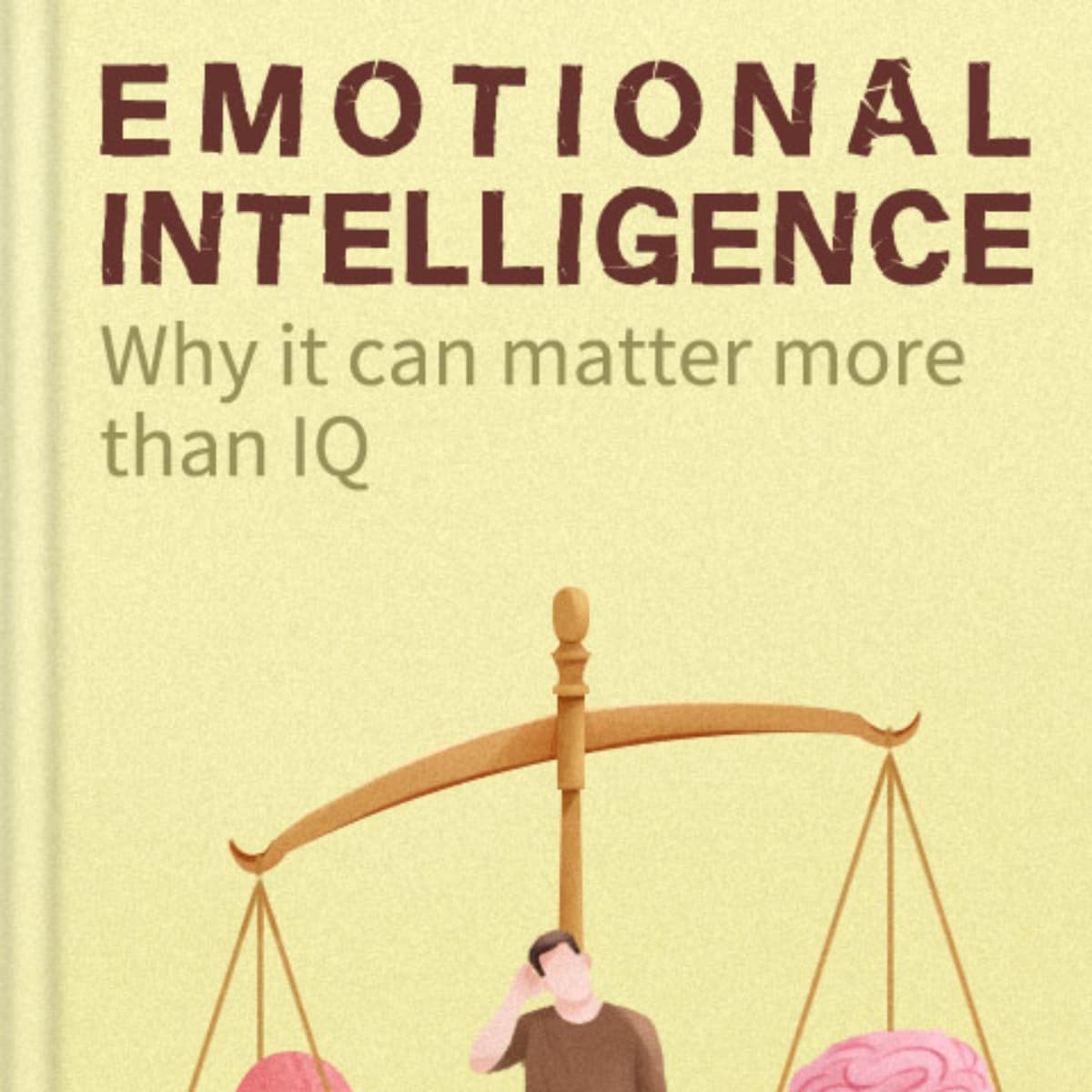
In a bustling town filled with busy minds, one young woman named Emma struggled to connect with others, feeling overwhelmed by her own emotions. One day, she discovered a dusty book titled "Emotional Intelligence" by Daniel Goleman. As she turned its pages, Emma learned that understanding her feelings could transform her life. Goleman introduced her to five key components: self-awareness, self-regulation, motivation, empathy, and social skills.
Emma began to pause and reflect, acknowledging her emotions instead of battling them. She practiced empathy, listening to her friends with an open heart, and soon discovered deeper connections blossoming around her. Through Goleman’s insights, Emma mastered the art of navigating the emotional landscapes of herself and others. As her relationships flourished, so did her sense of fulfillment, proving that emotional intelligence isn’t just a skill—it’s the key to a richer, more meaningful life.
1 Emotional Intelligence chapters
"Emotional Intelligence" by Daniel Goleman explores the concept of emotional intelligence and its significance in personal and professional success. The book argues that traditional measures of intelligence, such as IQ, do not account for the emotional and social skills that are crucial for how we interact with others and manage our own emotions.
The main themes of the book include:
1. Definition of Emotional Intelligence: Goleman defines EI as the ability to recognize, understand, and manage our own emotions, as well as the ability to recognize, understand, and influence the emotions of others.
2. Components of EI: The book outlines key components of emotional intelligence, which include self-awareness, self-regulation, motivation, empathy, and social skills. Each of these components plays a crucial role in effective interpersonal communication and relationship building.
3. Impact on Success: Goleman emphasizes that emotional intelligence can be more important than intellectual intelligence in determining success. He discusses how skills like empathy and effective communication can lead to better relationships, improved leadership abilities, and greater overall success in various aspects of life.
4. Development of EI: The book also addresses the idea that emotional intelligence can be nurtured and developed over time. Goleman provides insights into how individuals and organizations can cultivate EI.
5. Relevance in Education and Work: Goleman highlights the importance of emotional intelligence in various contexts, particularly in education and the workplace, showcasing how EI contributes to better teamwork, conflict resolution, and leadership.
In summary, "Emotional Intelligence" makes a compelling case for the importance of emotional skills in achieving a fulfilling and successful life, advocating for a broader understanding of intelligence that includes emotional and social competencies.

2 Detailed Chapter Review of Emotional Intelligence by Daniel Goleman
In "Emotional Intelligence," Daniel Goleman delves into the intricate relationship between emotions and intelligence, arguing that emotional competencies are crucial for personal and professional success. The first several chapters lay the groundwork by explaining the concept of emotional intelligence and differentiating it from traditional cognitive intelligence. For instance, in the opening chapters, Goleman introduces the five key components of EQ: self-awareness, self-regulation, motivation, empathy, and social skills, illustrating their significance through real-life scenarios such as how effective emotional management can lead to better leadership and interpersonal relationships.
As the book progresses, Goleman connects these concepts to neuroscience and psychology, exploring the physiological basis of emotional responses. In chapters discussing the amygdala's role in emotional processing, he highlights how understanding emotions can mitigate impulsive reactions and foster better decision-making. Furthermore, Goleman provides concrete examples, such as emotional intelligence's impact on academic performance and workplace dynamics, emphasizing that cultivating EQ can lead to healthier relationships and greater resilience. Throughout the book, Goleman's comprehensive approach illustrates that emotional intelligence is not just a personal asset but a vital component of societal well-being, reinforcing the theme that understanding and managing emotions is fundamental to overall success.

Book Summary Audio https://www.bookey.app/audiobook/emotional-intelligence
Quotes https://www.bookey.app/quote-book/emotional-intelligence
Youtube https://www.youtube.com/watch?v=erfgEHHfFkU
Amazon https://www.amazon.com/Emotional-Intelligence-Matter-More-Than/dp/055338371X
Goodreads https://www.goodreads.com/book/show/26329.Emotional_Intelligence