Chapter 1:Summary of The Road Less Traveled
"The Road Less Traveled" is a self-help book written by M. Scott Peck, published in 1978. The book explores the significance of creating a fulfilled and fulfilling life through personal growth and development.
Peck begins by emphasizing the importance of discipline and its relation to personal growth. He argues that true spiritual and emotional growth can only be achieved through discipline, which he defines as the ability to delay gratification and face challenges head-on.
The author also discusses the concept of love, asserting that love is not a feeling but rather an action. He emphasizes that love requires effort, commitment, and the willingness to work through difficulties. Peck explains that true intimacy and genuine love can only be established when individuals are willing to develop their own self-awareness.
Peck explores the existence of mental health issues and suggests that many problems stem from a lack of self-discipline and interpersonal skills. He stresses the importance of genuinely facing and solving problems rather than avoiding or denying them.
In the latter part of the book, Peck delves into the nature of religion and spirituality. He argues that a genuine spiritual journey involves questioning one's beliefs, engaging in self-exploration, and seeking the truth, rather than blindly following any established religious dogma.
Overall, "The Road Less Traveled" emphasizes personal responsibility, self-discipline, and the courage to face and solve life's challenges as the keys to personal growth and fulfillment. Peck's insights and suggestions provide readers with a framework for understanding themselves and creating a life of meaning and purpose.
Chapter 2:the meaning of The Road Less Traveled
"The Road Less Traveled" is a book written by M. Scott Peck, published in 1978. The book explores the concept of personal growth and addresses the importance of taking responsibility for one's own life and choices.
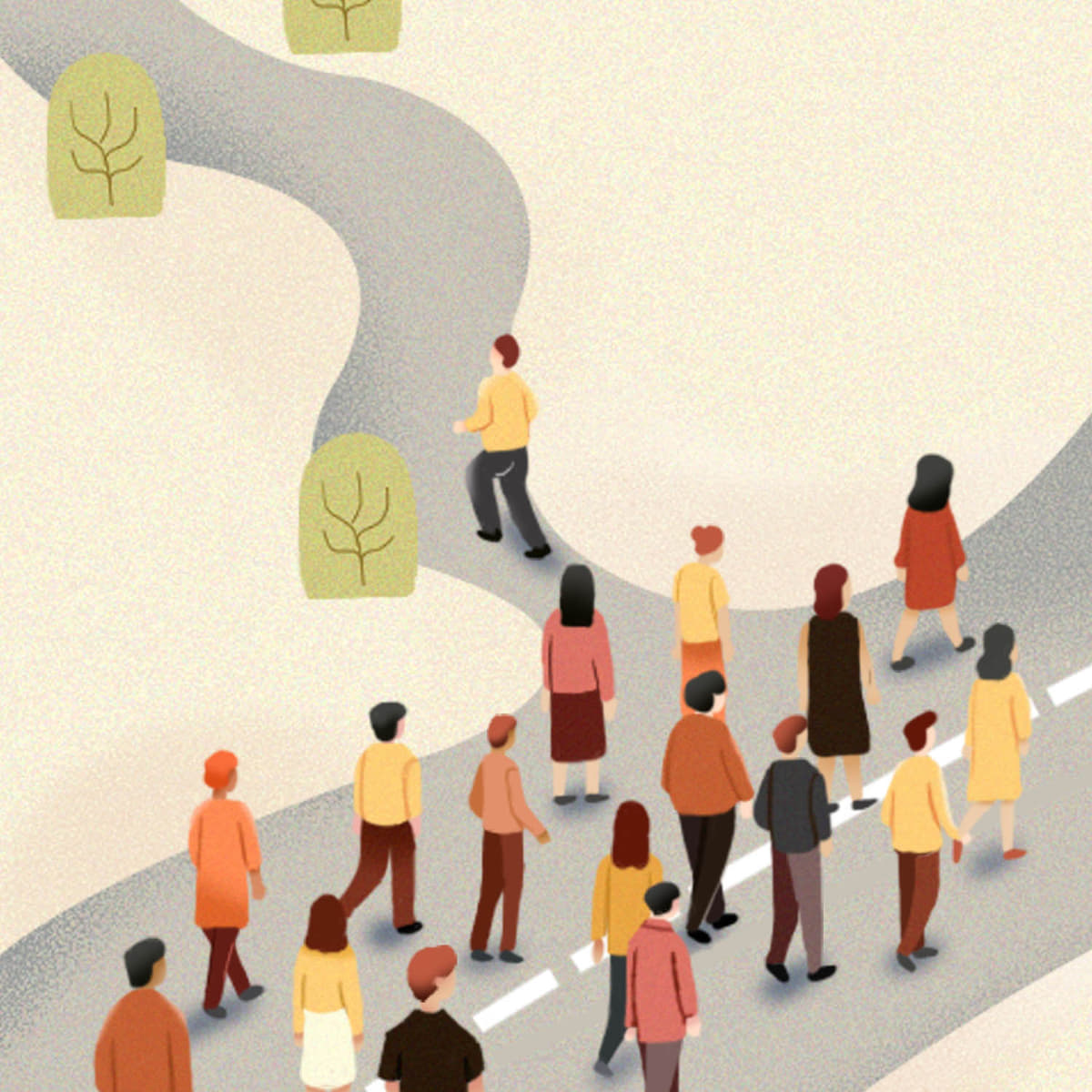
The title itself suggests taking an unconventional path, one that is less traveled by others. Peck argues that this path, though more difficult, is essential for personal growth and fulfillment. He encourages readers to confront and embrace the challenges and uncertainties of life instead of avoiding them.
The central theme of the book revolves around the idea that the journey towards self-discovery and personal growth requires discipline, honesty, and genuine love. Peck emphasizes the importance of facing and solving problems, acknowledging and accepting pain, and establishing genuine connections with others.
Furthermore, Peck explores various aspects of human life, including love, religion, mental and emotional health, and true spirituality. He encourages readers to develop a deeper understanding of themselves by examining their beliefs, attitudes, and behaviors and advocating for personal responsibility and growth.
Overall, "The Road Less Traveled" serves as a guidebook for individuals seeking to lead a more fulfilling and meaningful life by navigating the challenges and complexities of existence. It emphasizes the importance of self-reflection, self-discipline, and the willingness to confront and overcome obstacles on the path to personal growth.
Chapter 3:The Road Less Traveled chapters
"The Road Less Traveled" is a self-help book written by psychologist M. Scott Peck. It is divided into four main parts or chapters, each focusing on a different aspect of personal growth and spiritual development. Here's a summary of each chapter:
Chapter 1: Discipline
In this chapter, Peck argues that discipline is an essential component of personal growth. He emphasizes the importance of delaying gratification, taking responsibility for one's actions, and accepting the challenges that life presents. Peck also introduces the concept of "love" as a form of disciplined understanding and acceptance of others.
Chapter 2: Love
Peck explores the meaning of love and its different forms, including romantic love, self-love, and spiritual love. He suggests that love is not solely an emotion but requires an active choice to extend oneself for the well-being of others. Peck also discusses the importance of honesty, open communication, and mutual respect in cultivating healthy relationships.
Chapter 3: Grace
In this chapter, Peck delves into the concept of grace, which he defines as an unexpected act of spiritual or emotional healing. He argues that grace cannot be forced or obtained through human effort but is a gift that can be experienced through faith and surrender. Peck also highlights the importance of embracing suffering and uncertainty as opportunities for growth.
Chapter 4: The Road Less Traveled
The final chapter focuses on the process of spiritual growth and the challenges faced along the journey. Peck argues that the road to personal and spiritual growth is often less traveled because it requires facing and addressing one's shortcomings, acknowledging one's limitations, and continually striving for self-improvement. He encourages readers to embrace the difficulty of the path and find fulfillment in the pursuit of truth, love, and genuine connection with oneself and others.
Overall, "The Road Less Traveled" explores themes of personal responsibility, self-discipline, love, grace, and spiritual growth. It offers insights and practical advice for individuals seeking personal development and a more fulfilling life.
Chapter 4: Quotes of The Road Less Traveled
- "Life is difficult. This is a great truth, one of the greatest truths. It is a great truth because once we truly see this truth, we transcend it. Once we truly know that life is difficult – once we truly understand and accept it – then life is no longer difficult. Because once it is accepted, the fact that life is difficult no longer matters."
- "Until you value yourself, you won't value your time. Until you value your time, you will not do anything with it."
- "The truth is that our finest moments are most likely to occur when we are feeling deeply uncomfortable, unhappy, or unfulfilled. For it is only in such moments, propelled by our discomfort, that we are likely to step out of our ruts and start searching for different ways or truer answers."
- "Genuine love is volitional rather than emotional. The person who truly loves does so because of a decision to love. This person has made a commitment to be loving whether or not the loving feeling is present. Love is an act of will."
- "Love is the will to extend one's self for the purpose of nurturing one's own or another's spiritual growth."
- "The whole course of human history may depend on a change of heart in one solitary and even humble individual—for it is in the solitary mind and soul of the individual that the battle between good and evil is waged and ultimately won or lost."
- "The only way to truly know yourself is to struggle with yourself, to wrestle with your demons and your insecurities, to confront the parts of yourself that you don't like and work towards change."
- "Delaying gratification is a process of scheduling the pain and pleasure of life in such a way as to enhance the pleasure of life in such a way as to enhance the pleasure by meeting and experiencing the pain first and getting it over with."
- "The difficult problems in our lives carry the greatest potential for growth and transformation."
- "The more we challenge ourselves and step outside of our comfort zones, the more we discover our true potential and the strength within us to overcome any obstacles."