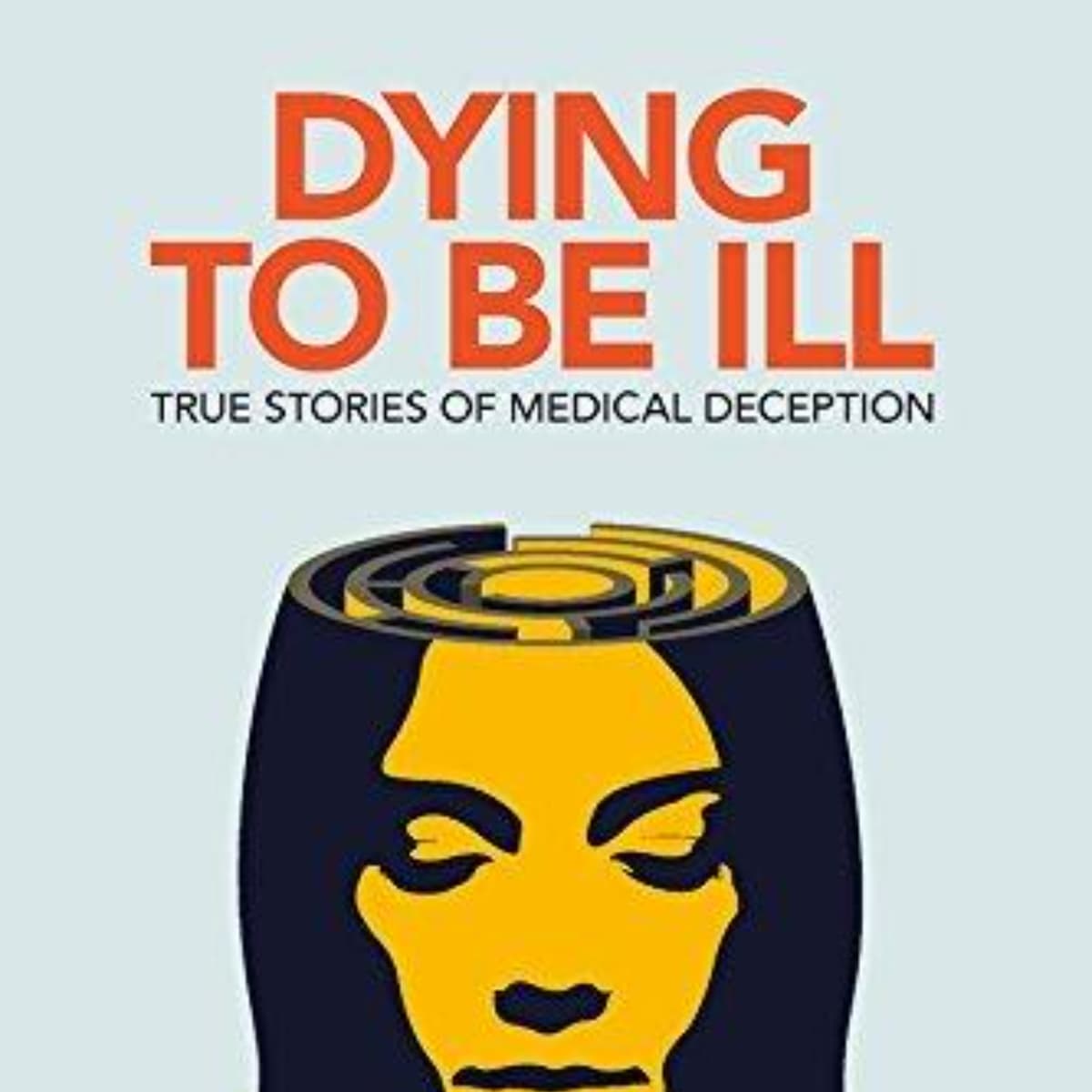
In "Dying to Be Ill," Marc D. Feldman takes readers on a captivating journey into the enigmatic world of factitious disorders, where individuals deliberately feign illness for attention and sympathy. Through compelling case studies, Feldman unveils the psychological landscapes of his patients—people whose need for care supersedes their grasp on reality. As the narrative unfolds, we witness the fine line between genuine suffering and manipulation, inviting us to ponder the complexities of the human psyche. The book highlights the need for empathy and understanding, shedding light on the societal pressures that drive individuals to seek illness as a means of validation. With each page, Feldman challenges us to reconsider our perceptions of health and authenticity, revealing that sometimes, the deepest wounds are the ones we cannot see. This exploration not only informs but also deeply moves, urging us to approach mental health with compassion and curiosity.
1:Dying to be Ill chapters
"Dying to Be Ill" by Marc D. Feldman explores the complex psychological phenomenon of factitious disorder, particularly Munchausen syndrome, where individuals deliberately feign illness or self-harm to gain attention and sympathy. The book delves into the motivations behind this behavior, the consequences for both the individuals involved and their families, and the challenges faced by medical professionals in diagnosing and treating these patients.
Feldman combines case studies, personal anecdotes, and psychological analysis to illustrate how the need for recognition or care can drive individuals to extreme lengths, including undergoing unnecessary medical treatments or procedures. He also addresses the societal implications of these behaviors, highlighting the need for empathy and understanding when dealing with those affected by these disorders.
Overall, the theme revolves around the intersection of mental health, identity, and the quest for validation, shedding light on a often misunderstood and stigmatized condition.
2:Detailed Chapter Review of Dying to be Ill by Marc D. Feldman
In "Dying to be Ill," Marc D. Feldman explores the complex psychological motivations behind factitious disorders, particularly Munchausen syndrome. In the initial chapters, the author introduces the concept of patients who deliberately seek medical attention by fabricating symptoms. For example, he delves into the case of one patient who frequently undergoes invasive procedures to maintain a caregiver role, underscoring the theme of identity and validation through illness. This early introduction sets the stage for a deeper understanding of how these individuals find a sense of purpose and control in their lives by manipulating their health narratives.
As the book progresses, Feldman highlights distinct cases that illustrate the various manifestations of these disorders, connecting personal background and emotional histories to their coping mechanisms. In later chapters, he discusses the impact of these behaviors not only on the patients but also on their families and medical practitioners, creating a ripple effect of deception and distress. One poignant example involves a caregiver who becomes absorbed in the drama of a patient's fabricated illness, showcasing the theme of relational dynamics in the context of illness. Overall, Feldman’s narrative not only reveals the intricate psychology behind factitious disorders but also raises broader questions about the human need for attention and care in a society that can often overlook personal struggles behind physical health.
Book Summary Audio https://www.bookey.app/audiobook/dying-to-be-ill
Youtube https://www.youtube.com/watch?v=8j8GAFr04Qs
Amazon https://www.amazon.com/Dying-Ill-Stories-Medical-Deception-ebook/dp/B07D18L8KQ
Goodreads https://www.goodreads.com/book/show/40165460-dying-to-be-ill