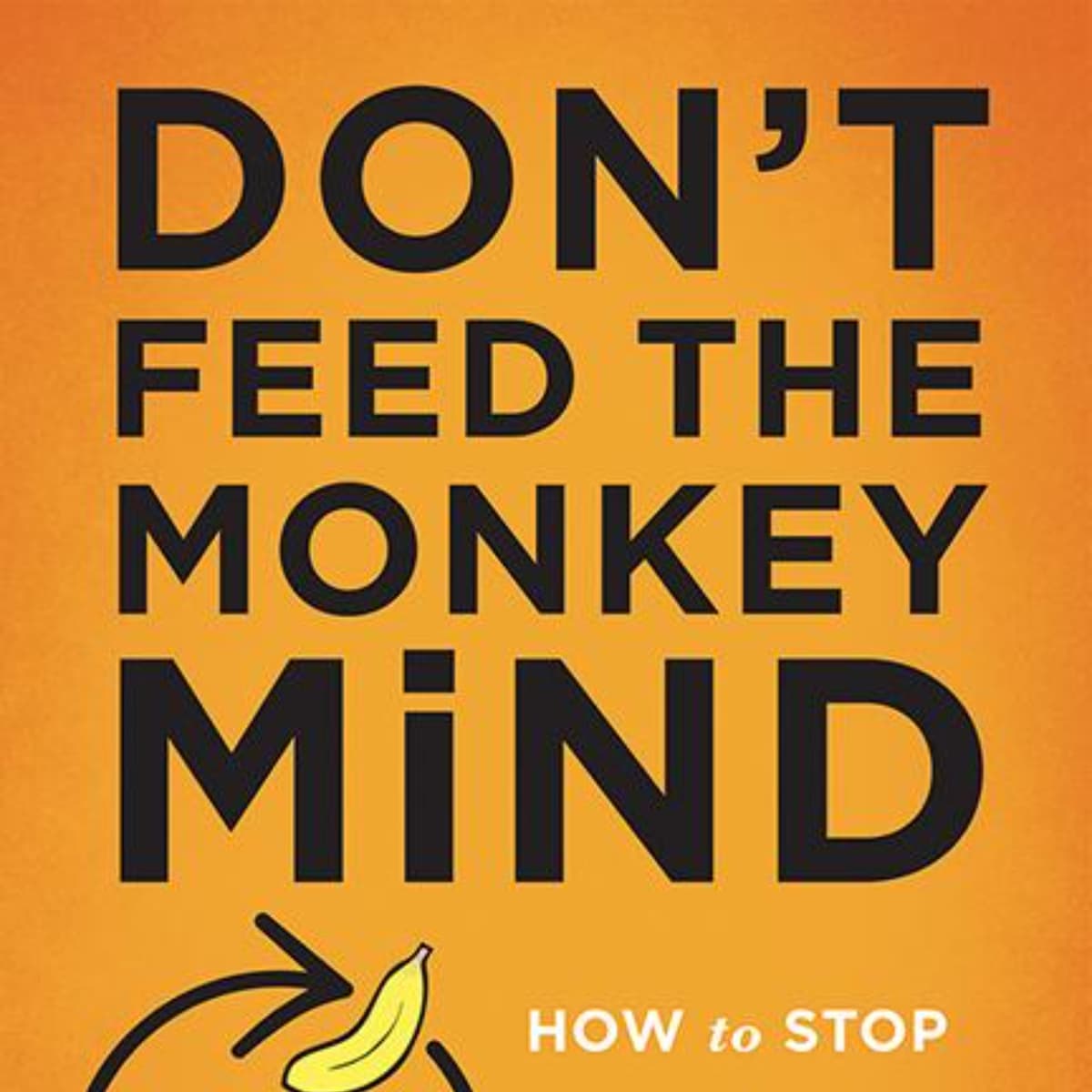
In "Don't Feed the Monkey Mind," Jennifer Shannon invites readers on a transformative journey to tame the wild impulses of anxiety and self-doubt. Picture your mind as a mischievous monkey, swinging from branches of overthinking and worry. Shannon teaches us that feeding this monkey only intensifies its chaos. Through vivid anecdotes and practical strategies, she unveils techniques like mindfulness and cognitive-behavioral tools to steer our thoughts back to calm waters. By recognizing our fears without judgment and choosing to disengage from spiraling thoughts, we learn to cultivate inner peace. In this engaging narrative, Shannon reassures us that we’re not alone in our struggles; with patience and practice, we can learn to quiet the monkey mind. Embrace this empowering journey to reclaim control, find clarity, and live more fully in the present—because the real adventure begins when we stop feeding that pesky monkey.
1 Don't Feed the Monkey Mind chapters
"Don't Feed the Monkey Mind" by Jennifer Shannon focuses on managing anxiety and intrusive thoughts through mindfulness and cognitive behavioral strategies. The book's central theme revolves around understanding the nature of the "monkey mind," a term that describes the restless, jumpy thoughts that can fuel anxiety and stress. Shannon provides practical tools and techniques for recognizing these thoughts without becoming overwhelmed by them.
The content includes actionable exercises, anecdotes, and illustrations that guide readers in developing mindfulness skills to foster a more balanced mental state. By learning to "observe" their thoughts rather than react to them, readers can reduce the power of anxiety and improve their overall well-being. The book ultimately encourages a shift in perspective, promoting self-compassion and resilience in the face of life's challenges.

2 Detailed Chapter Review of Don't Feed the Monkey Mind by Jennifer Shannon
In "Don't Feed the Monkey Mind," Jennifer Shannon explores various strategies to combat anxiety and obsessive thinking, effectively illustrating the book's core theme of mindfulness and self-awareness. In Chapter 2, titled "The Monkey Mind Explained," Shannon delves into the nature of racing thoughts and their tendencies to spiral out of control, drawing a parallel between the metaphorical "monkey mind" and our tendency to ruminate. She emphasizes that understanding the mechanics behind these thoughts is crucial; for example, she shares relatable anecdotes of individuals who have successfully identified their triggers, allowing them to interrupt the cycle of anxiety with mindful breathing and acknowledgment of their feelings.
Chapter 5, "Cultivating Self-Compassion," further reinforces the book's theme by presenting self-compassion as a vital tool in managing the monkey mind. Shannon offers practical exercises to foster a kinder internal dialogue, revealing how self-criticism exacerbates anxiety. She illustrates these concepts through real-life examples, demonstrating that fostering a compassionate mindset not only helps individuals challenge unhelpful thought patterns but also promotes emotional resilience. Together, these chapters highlight a holistic approach to managing anxiety, emphasizing that awareness and compassion are crucial in quieting the incessant chatter of the monkey mind.

Book Summary Audio https://www.bookey.app/audiobook/don't-feed-the-monkey-mind
Youtube https://www.youtube.com/watch?v=QXO9XUcpCNs
Amazon https://www.amazon.com/Dont-Feed-Monkey-Mind-Anxiety/dp/1626255067
Goodreads https://www.goodreads.com/book/show/33977140-don-t-feed-the-monkey-mind