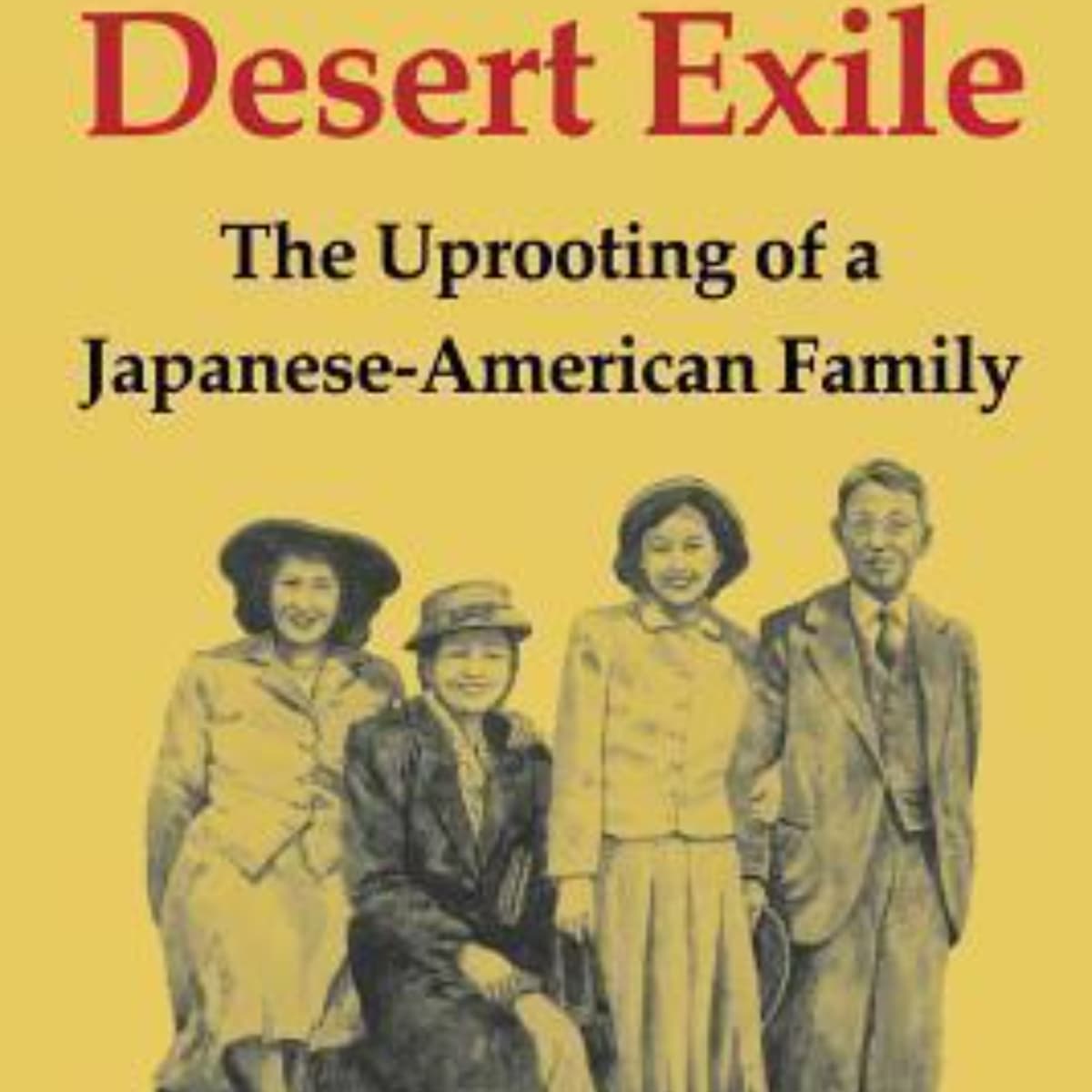
In "Desert Exile," Yoshiko Uchida weaves a poignant tale of resilience against the backdrop of Japanese-American internment during World War II. Through Uchida’s eyes, we enter a world where ordinary lives are uprooted in an instant. Stripped of their homes and freedom, her family is thrust into the harsh realities of a desolate camp in the Utah desert. Yet, amidst the despair, hope flickers. The narrative unveils the power of community and the indomitable human spirit, as families find solace in shared experiences and traditions, despite their confinement. Uchida’s reflections on identity and belonging resonate deeply, challenging readers to confront prejudice and the fragility of freedom. In her intimate storytelling, the theme of perseverance shines bright—reminding us that even in the bleakest of circumstances, love and hope can prevail.
1:Desert Exile chapters
"Desert Exile: The Uprooting of a Japanese American Family" by Yoshiko Uchida is a memoir that focuses on the experiences of Japanese Americans during World War II, particularly the forced internment of Japanese American families. The central theme of the book revolves around identity, resilience, and the struggle against prejudice.
Uchida recounts her family's experiences as they are uprooted from their home in Berkeley, California, and sent to the Topaz internment camp in Utah. The narrative captures the emotional and psychological impacts of internment on individuals and families, highlighting the loss of freedom, community, and stability. Uchida also reflects on her own identity as a Japanese American, grappling with feelings of alienation and hope amidst the injustice faced by her community.
The memoir incorporates personal anecdotes, family dynamics, and the broader historical context of anti-Japanese sentiment in the United States during the war. Through Uchida's poignant storytelling, "Desert Exile" emphasizes themes of courage, resilience in the face of adversity, and the importance of preserving one's cultural identity despite systemic oppression.

2 Detailed Chapter Review of Desert Exile by Yoshiko Uchida
In "Desert Exile," Yoshiko Uchida recounts her experiences as a Japanese American during World War II, particularly focusing on the internment of Japanese Americans. The early chapters illustrate the theme of displacement and loss of identity, especially through Uchida's vivid descriptions of her family's life in Berkeley before the internment. For instance, in Chapter 1, Uchida paints a picture of a vibrant community filled with cultural richness, emphasizing how the sudden order to relocate to an internment camp erases their sense of belonging. These chapters evoke a strong sense of nostalgia and highlight the abruptness of their loss, setting the stage for the emotional turmoil that follows.
As the narrative unfolds, particularly in Chapters 4 and 5, Uchida delves into the harsh realities of life in the camps, showcasing the resilience of the Japanese American community amidst adversity. For example, she describes the oppressive conditions of the camp, such as the cramped living quarters and the harsh desert environment, while also highlighting small acts of resistance and solidarity among internees, such as their efforts to maintain cultural traditions. These chapters reinforce the theme of resilience and identity, illustrating how individuals seek to preserve their humanity in the face of dehumanizing circumstances. Ultimately, Uchida's narrative serves as a poignant reminder of the impact of racism and the importance of remembering history to prevent its repetition.

Book Summary Audio Bookey https://www.bookey.app/audiobook/desert-exile
Youtube https://www.youtube.com/watch?v=qX6zeUe38sc
Amazon https://www.amazon.com/Desert-Exile-Uprooting-Japanese-Literature/dp/0295994754
Goodreads https://www.goodreads.com/book/show/68410.Desert_Exile