In the heart of a serene Japanese village, a young man named John sought wisdom from an old Zen master. Day after day, he performed simple yet significant tasks: chopping wood and carrying water. Frustrated, John yearned for enlightenment, envisioning grand adventures and lofty achievements. The master, however, taught him that true mastery lies in embracing the mundane.
As seasons changed, John learned patience, focus, and the beauty of ritual in repetition. Each swing of the axe and each trip to the well became a meditation, revealing that the journey itself was the goal. Through perseverance and humility, he discovered that greatness unfolds not in the pursuit of glory, but in the dedication to the present moment.
“Chop Wood, Carry Water” ultimately teaches us that personal growth flourishes through daily habits and steadfast commitment, reminding us that in life’s simplicity, profound wisdom awaits.
Chapter 1: What Is Chop Wood Carry Water
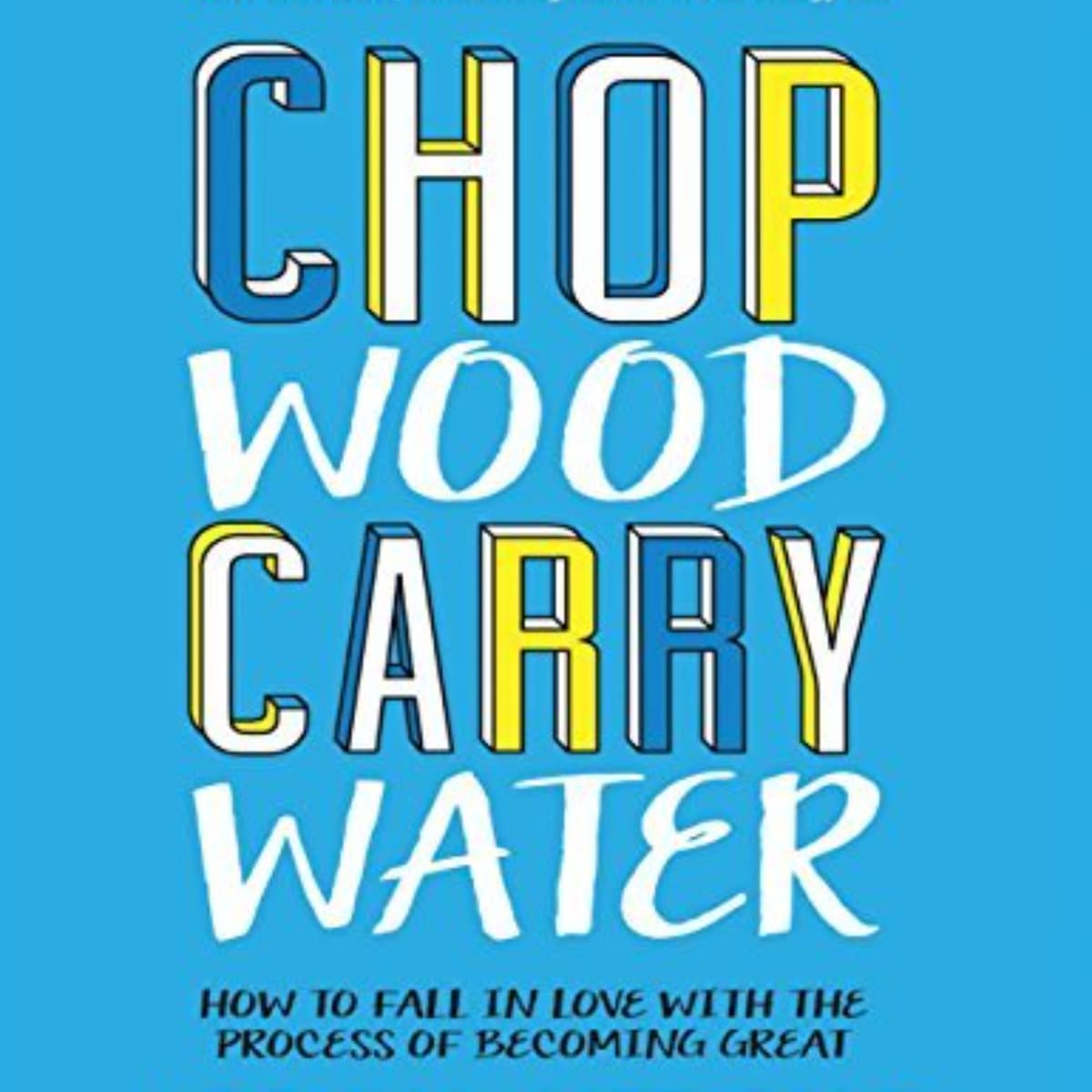
Chop Wood Carry Water by Joshua Medcalf: A Brief Evaluation
1. Depth and Accuracy of Content: The book conveys profound philosophical themes through a simple narrative. While it may not delve into academic rigor, it presents concepts of discipline and mindfulness accurately and effectively.
2. Originality: The storytelling approach, utilizing a parable-like format, provides a fresh perspective on personal growth and the value of daily habits. It stands out from traditional self-help formats.
3. Organization: The narrative is straightforward, with a clear progression that facilitates understanding. Each chapter builds on the themes of persistence and purpose, making it easy for readers to follow.
4. Readability: The language is simple and accessible, which allows readers from various backgrounds to engage with the material without feeling overwhelmed.
5. Inspirational and Emotional Impact: Many readers find it motivational as it encourages embracing the journey of self-improvement rather than focusing solely on end goals. The emotional resonance can foster personal reflection and change.
6. Cultural and Social Impact: While it primarily appeals to individuals seeking personal growth, its universal themes of hard work and mindfulness can resonate across different cultures, promoting a common message about the human experience.
7. Attention to Detail: The book emphasizes the importance of small, daily actions, encouraging readers to pay attention to their processes and habits, which shows a thoughtful approach to personal development.
8. Theme and Message: The core message revolves around the significance of consistency, hard work, and appreciating the present moment. It emphasizes the idea that meaningful accomplishments come from the dedication shown in everyday tasks.
9. Critical Thinking: The narrative encourages readers to reflect on their own lives and the value of the mundane. However, it may not provoke rigorous analytical thinking, as it is more focused on inspiration than critical discourse.
10. References: The book is largely anecdotal and reflective; it does not include extensive references or citations, focusing instead on personal insights and experiences.
11. Creativity and Artistry: Medcalf's storytelling incorporates metaphors and personal anecdotes, creating a unique and engaging narrative style that holds reader interest.
In summary, Chop Wood Carry Water offers an engaging, accessible, and motivational perspective on personal growth through simple yet profound lessons. While it may not satisfy those seeking deep academic analysis, its emotional and inspirational impact makes it a valuable read for those interested in self-improvement.

Chapter 2: Chop Wood Carry Water chapters
"Chop Wood, Carry Water: How to Fall in Love with the Process of Becoming Great" by Joshua Medcalf is a motivational book that uses a simple narrative to convey deeper life lessons about discipline, patience, and the pursuit of excellence. The story follows a young man, John, who embarks on a journey to become a samurai by training under a wise mentor.
Here’s a brief summary of the chapters and the main themes:
Chapter Summaries:
1. Introduction to John:
- John is introduced as an aspiring samurai who dreams of achieving greatness. He leaves his home and sets off to train under the guidance of a wise master.
2. Chopping Wood:
- John learns the importance of the mundane tasks such as chopping wood and carrying water. These tasks symbolize the foundation of discipline and the need to find value in routine work.
3. Carrying Water:
- As he continues his training, John understands that persistent effort and hard work are critical to achieving success. He realizes that mastery comes from engagement in the process, not just the outcome.
4. Lessons from the Master:
- The mentor imparts wisdom about humility, patience, and the importance of focus. John learns that the journey itself is as important, if not more so, than the destination of becoming a samurai.
5. Facing Adversity:
- John encounters obstacles in his training. He learns resilience and the necessity of overcoming challenges as integral parts of growth.
6. The Nature of Fear and Doubt:
- John confronts his fears and self-doubt. He learns strategies to combat negativity and self-sabotage, reinforcing the idea that mental fortitude is vital for success.
7. The Power of Consistency:
- The narrative emphasizes the value of consistency. Small, everyday actions build towards significant achievements over time.
8. Embracing Failure:
- John begins to see failure as a teacher. The mentor explains that setbacks are opportunities for learning and growth, which is essential to becoming great.
9. Finding Joy in the Journey:
- John discovers the importance of enjoying the process and learning to love the grind rather than just focusing on the outcomes.
10. Becoming a Samurai:
- As John draws closer to his goal, his understanding of what it means to be a samurai deepens, revealing that it’s about embodying values like discipline, honor, and humility rather than just titles or skills.
11. Conclusion:
- John reflects on his journey and the lessons he has learned. He understands that greatness is not an end goal but a continuous process that involves dedication and passion for one’s craft.
Main Themes:
- Discipline and Hard Work: The importance of consistent effort in achieving long-term goals.
- The Value of Process: Emphasizes that the journey is just as significant as the destination.
- Resilience and Growth: Learning from setbacks and developing mental strength.
- Finding Joy: Recognizing the importance of enjoying the process and cultivating a love for what you do.
Overall, "Chop Wood, Carry Water" teaches valuable life lessons about patience, perseverance, and finding meaning in everyday tasks, making it a powerful read for anyone on a journey toward personal or professional growth.
In a quaint town nestled between rolling hills and bubbling streams, there was a young boy named Sam. Sam was an ambitious dreamer with visions of greatness swirling in his mind — he wanted to become a master samurai. Ever since he first laid eyes on the legendary warriors in stories told by the village elder, his heart was set on the path of discipline and skill.
However, there was a catch. In that very same village lived a wise old man named Sensei Hiroshi, who held the keys to mastery. The townsfolk would speak in hushed tones about his wisdom, his patience, and above all, his teachings that seemed mundane to some but profound to those who could see beneath the surface.
With determination painted across his face, Sam approached the wise sage one bright morning. "Sensei, I wish to learn the ways of the samurai. Please teach me!" He bowed deeply, his heart racing with excitement.
The old master looked at Sam, his eyes twinkling like stars on a clear night. "Very well," he replied, “but know this: the journey will not be what you expect.”
Eager to begin, Sam leaned in closer, ready to absorb every ounce of knowledge. "What is my first lesson, Sensei?"
Without skipping a beat, Sensei Hiroshi replied, “Chop wood, carry water.”
Confused, Sam asked, “But Sensei, I want to learn the art of fighting, the code of honor, and the ways of the sword! Why should I chop wood or carry water?”
With a gentle smile, the wise man explained, “Chopping wood and carrying water are the foundations of life. It is through these simple acts that you will cultivate patience, develop strength, and nurture your spirit. True mastery is not in grand gestures but in the small, everyday tasks we often overlook.”
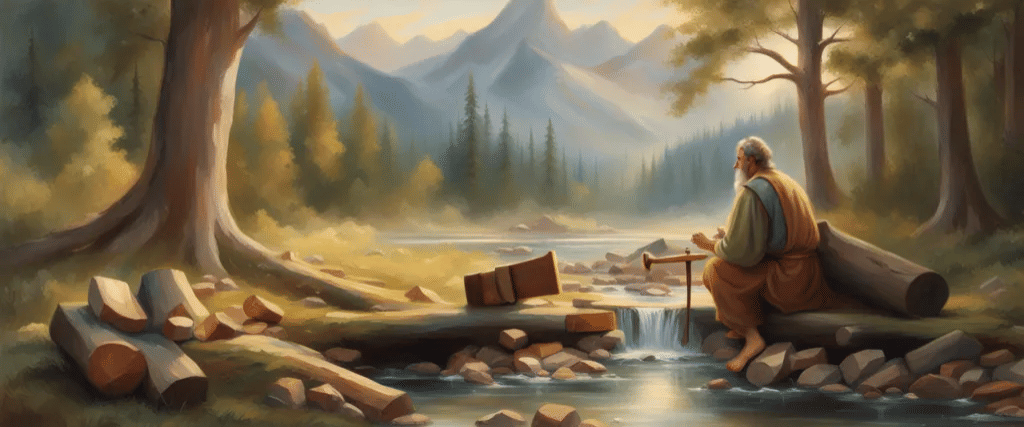
Reluctantly, Sam set off to chop wood. He swung the axe with all his might, but soon found his shoulders aching. The rhythmic thud of wood splitting soon became a dance — one that taught him control and focus. Each swing was a lesson in mindfulness, pulling him into the present moment.
Next came the water. Each day, he filled heavy buckets from the stream and carried them back to the village. The weight challenged his resolve; he stumbled and tripped along the way, but with each step, he learned resilience. He discovered that the journey mattered just as much as the destination.
Days turned to weeks, and weeks turned to months. As the seasons changed, so did Sam. He found joy in the simplicity of his tasks, a meditative quality in the monotony. With every log he chopped and every drop of water he carried, he felt a little closer to that samurai he dreamed of becoming.
One day, as he finished chopping wood, he returned to Sensei Hiroshi, brimming with newfound strength. “Sensei, I understand! Every swing of the axe, every heavy bucket taught me that mastery is not the result of rapid achievements but the culmination of dedication to everyday tasks.”
The old man nodded, pride illuminating his face. “Yes, young warrior. The theme of your journey is clear: greatness is not born from grand ambitions alone, but from the discipline and humility required to navigate the smaller, seemingly insignificant elements of life. In chopping wood and carrying water, you have learned the essence of perseverance and mindfulness.”
With this realization, Sam felt ready to embrace the path ahead of him—a path that was no longer focused solely on titles and accolades but rather on the wisdom gained through the journey. He knew his heart was now attuned to the rhythm of life; each mundane task was a step towards his higher calling.
In the end, what did Sam become? Not just a master samurai, but a master of himself — a young man who understood the art of patience, who embraced the beauty of the everyday, and who recognized that every journey, no matter how grand, begins with a single step... and sometimes a good chop of wood.
And so, dear reader, as you pursue your dreams, remember Sam’s story. Embrace the small steps, the chopping and carrying, and you might just discover that the path to greatness is paved with the quiet dedication found in the simplest of tasks. The true mastery lies not in the destination but in the journey itself.
Book https://www.bookey.app/book/chop-wood-carry-water
Quotes https://www.bookey.app/quote-book/chop-wood-carry-water
Youtube https://www.youtube.com/watch?v=XmTpfPkoiWg
Amazon https://www.amazon.com/Chop-Wood-Carry-Water-Becoming/dp/153698440X
Goodreads https://www.goodreads.com/book/show/28405277-chop-wood-carry-water